





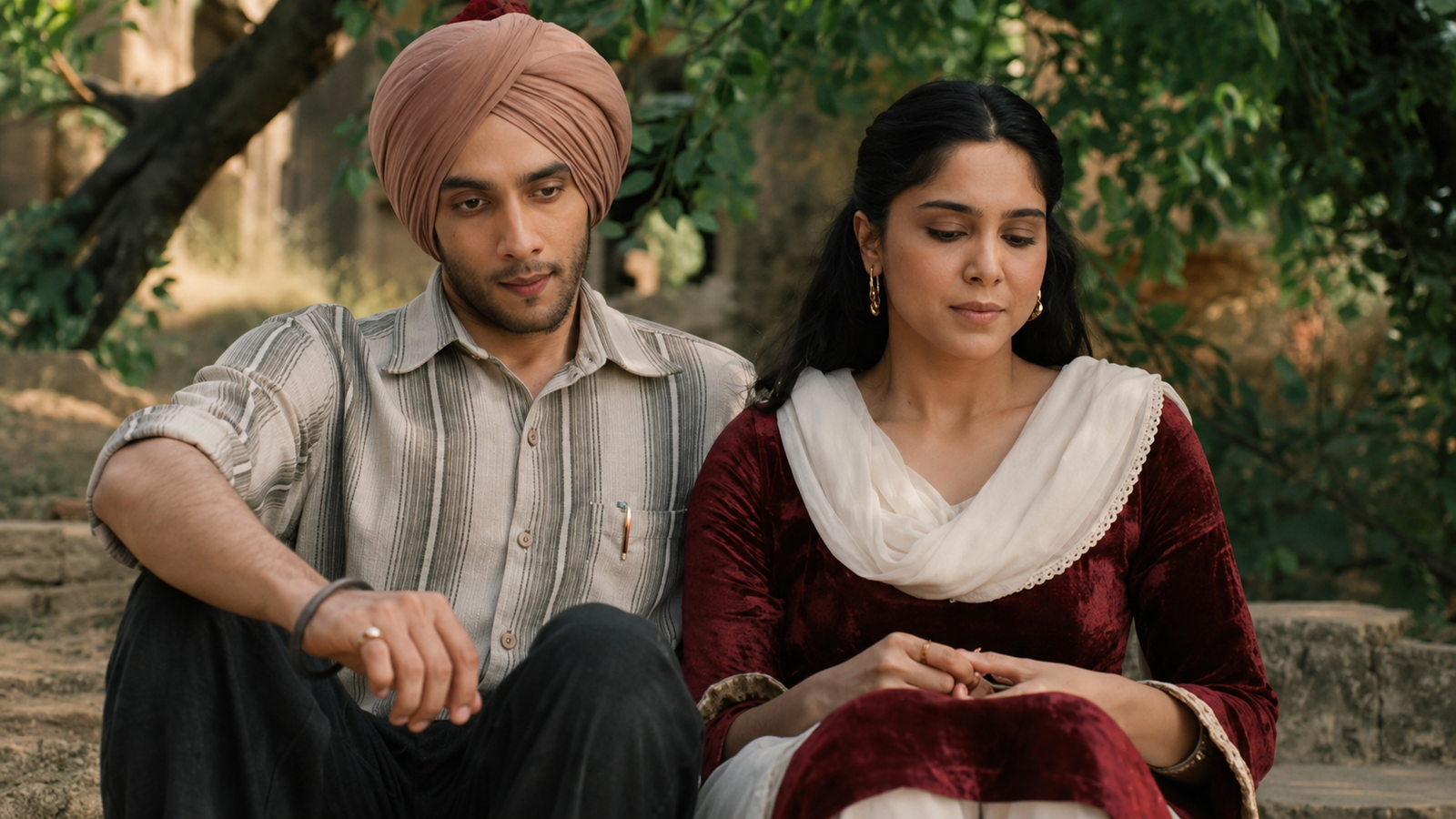

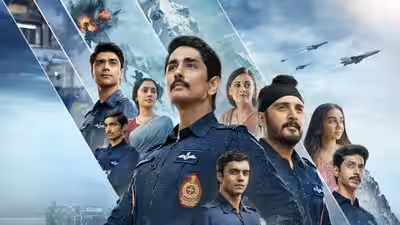
The human heart possesses an astonishing, almost terrifying capacity to carry grief across decades, yet it remains extremely fragile when caught in the relentless, indifferent gears of statecraft. To witness Operation Safed Sagar alongside Main Vaapas Aaunga is to observe two distinct mirrors reflecting a single, unending tragedy. Though separated by half a century in time and starkly different in scale; one a high-octane military confrontation among icy clouds, the other a tender, mournful whisper of civilian displacement- both narratives illuminate the devastating debt that ordinary people are forced to pay for grand political ambitions. Viewed together, they stand as the tragic bookends of the Indian subcontinent’s fractured modern history, capturing both the chaotic genesis of partition in 1947 and its explosive, bloody manifestation in the icy heights of Kargil in 1999.
At their core, both works explore how decisions rendered in pristinely panelled diplomatic chambers instantly unravel the intimate, flimsy fabric of daily life. When arbitrary lines are drawn across ancestral maps or delicate peace overtures disintegrate into cross-border betrayals, the severe consequences are rarely borne by the architects of diplomacy themselves. Instead, trauma trickles down inexorably to the individual, exposing how macro-level political manoeuvrings inevitably fracture micro-level human existence. The grand narrative of nation-building often demands a silent, devastating tax on personal happiness, rendering ordinary lives mere collateral in the pursuit of geopolitical power.
In Operation Safed Sagar, the tactical brilliance and soaring valour of the Indian Air Force are undeniably stirring, framing a powerful homage to duty and resilience. Yet beneath the roaring engines and stratagem, its underlying emotional core is one of intensely haunting waste. The story exposes a recurring, excruciating truth that has echoed across generations: whenever high-level diplomacy falters, or peace agreements are shattered by betrayal, it is invariably a young generation of uniform-wearers who are dispatched to correct strategic miscalculations with their own blood. The tragedy lies not in a lack of courage, but in the tragic necessity of that courage; a sacrifice demanded because statesmen failed to preserve the peace.
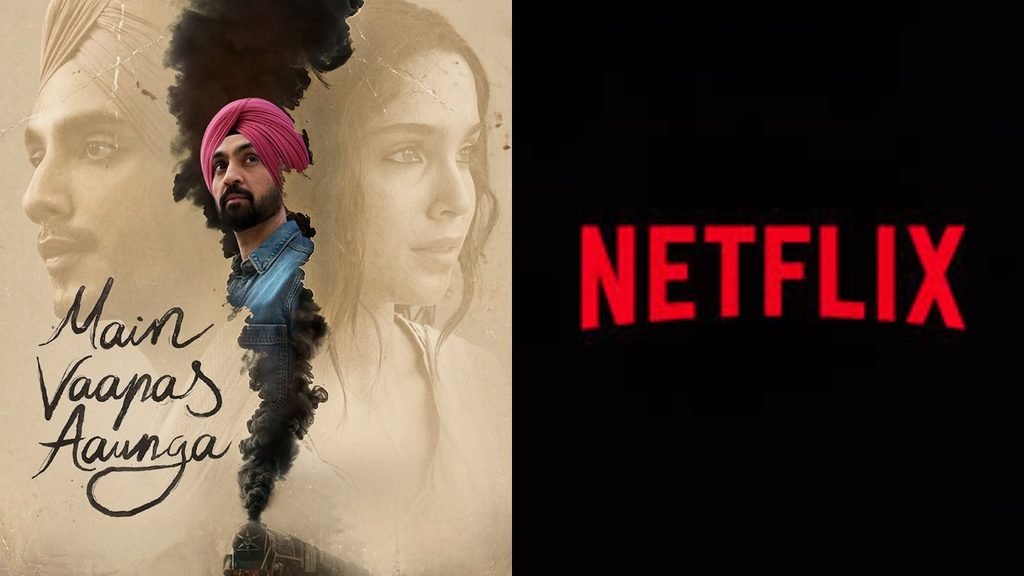
Conversely, Main Vaapas Aaunga strips away the armour and practical displays to expose a far quieter, generational ache that refuses to fade. Anchored in the fragile, fading memories of an elderly grandfather longing for his ancestral home in Sargodha, the story exposes the absolute limits of political power over the human soul. Governments can redraw international borders overnight and construct impenetrable security barriers, but they remain entirely powerless to erase the internal geography of human affection, nostalgia, and belonging. The film serves as a poignant reminder that while borders can divide land, they cannot re-engineer the layout of a grieving heart.
Where the frozen, high-altitude peaks of Kargil demand an abrupt, violent, and deeply public sacrifice from fallen soldiers in their youth, the bloodied, dust-choked roads of 1947 inflict a lingering, nostalgic, and private grief upon millions of displaced souls. One narrative highlights the immediate, catastrophic impact of broken olive branches and military betrayal, while the other exposes the multi-generational shadow cast by hastily executed cartography and sudden civil collapse. Yet, despite their differing arenas, both stories reveal that the ultimate human imprint of political failure remains identical, whether a life is cut short over snowy mountains or stretched across seven agonizing decades of muffled unhealed longing.
To view these narratives as mere historical records or nationalistic tributes is to miss their most vital warning. The human fracture of 1947 was not a closed chapter; it established a devastating cycle of conflict that echoes through time. Whether through a fighter pilot navigating hostile skies over the Himalayas or a displaced soul carrying a lifetime of unfulfilled longing, the human toll remains identical. Governments may partition land and guard it with iron, but the boundaries drafted by diplomats are ultimately paid for by the lives of the young and the sorrow of those forced to endure the aftermath.

By Bahnika Sen
Bahnika Sen is a trader, fitness expert, and writer. She can be contacted at: bahnika23@gmail.com







Beautifully written with perhaps the best comparisons one could ever think of.
Thank you so much 🙏
Brilliant comparative analysis to expose the fractures that keep resurfacing to fuel further decline and devastation! Very well-written piece…
Thank you so much 🙏
Wow! What an analogy between the two historical incidents in our country’s history. It is so true that underlying all the valour is the collateral damage that cannot be measured in words or even captured properly in words. Beautiful piece of writing, Keep it up!
I am so glad that you liked it. Thank you so much
Beautifully written and crafted very nicely… Comparing the two events about half a century apart with such well curated thoughts is really appreciable
Thank you so much Babu