




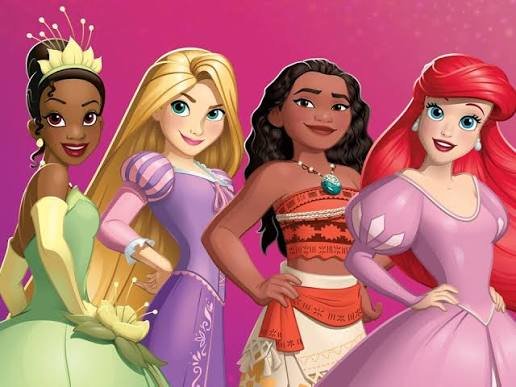

For generations, the Disney princess pipeline operated on a beautifully animated but highly questionable psychological blueprint: start with an emotionally starved heroine, introduce a dashing stranger, and immediately cue the wedding bells.
Think about it. Snow White was banished by a homicidal matriarch before finding refuge with seven eccentric roommates and a random royal; Cinderella survived systemic domestic humiliation, making Prince Charming less of a soulmate and more of an exit strategy and Rapunzel grew up under the ultimate gaslighting captor, meaning Flynn Rider wasn’t just a crush but was her first literal interaction with the outside world. Similarly, Ariel was so extremely alienated that she traded her very voice to hitch her wagon to a man she had only ever creepily observed from afar.
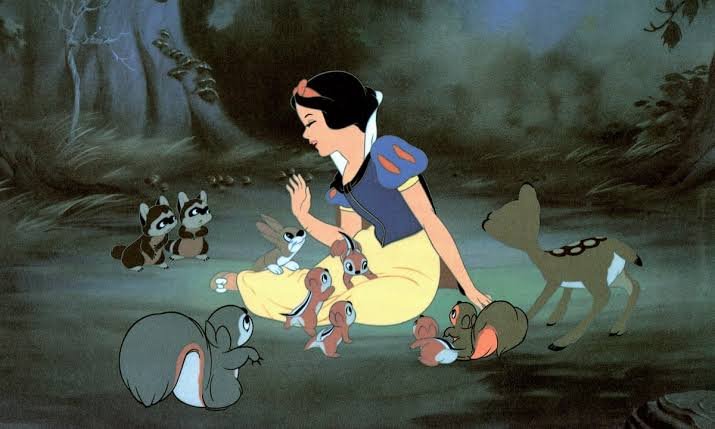
It is all deeply romantic until you look at the psychological undercurrent: What happens when someone starved of affection finally receives basic attention?
The Familiarity Trap in Modern Dating
Attention feels disproportionately precious when validation is scarce. A person who grows up feeling inherently unseen becomes highly susceptible to the first person who turns a spotlight on them. If you are accustomed to a diet of criticism, it is effortless to mistake basic approval for ultimate intimacy.
In the wild world of modern dating, this manifestation is rampant. We see it in the thrill of ‘love bombing’, where an intense deluge of early affection blinds us to red flags and we mistake the anxiety of waiting for a text back for genuine chemistry. When we operate from an emotional deficit, we don’t always choose what is genuinely good for us, rather, we choose what feels familiar. Most of us have spent our formative years becoming virtuosos at earning affection, that we entirely forget to ask whether we actually even like the person offering it finally. Hence, we end up treating basic human decency from a partner as an extraordinary luxury rather than the bare minimum.
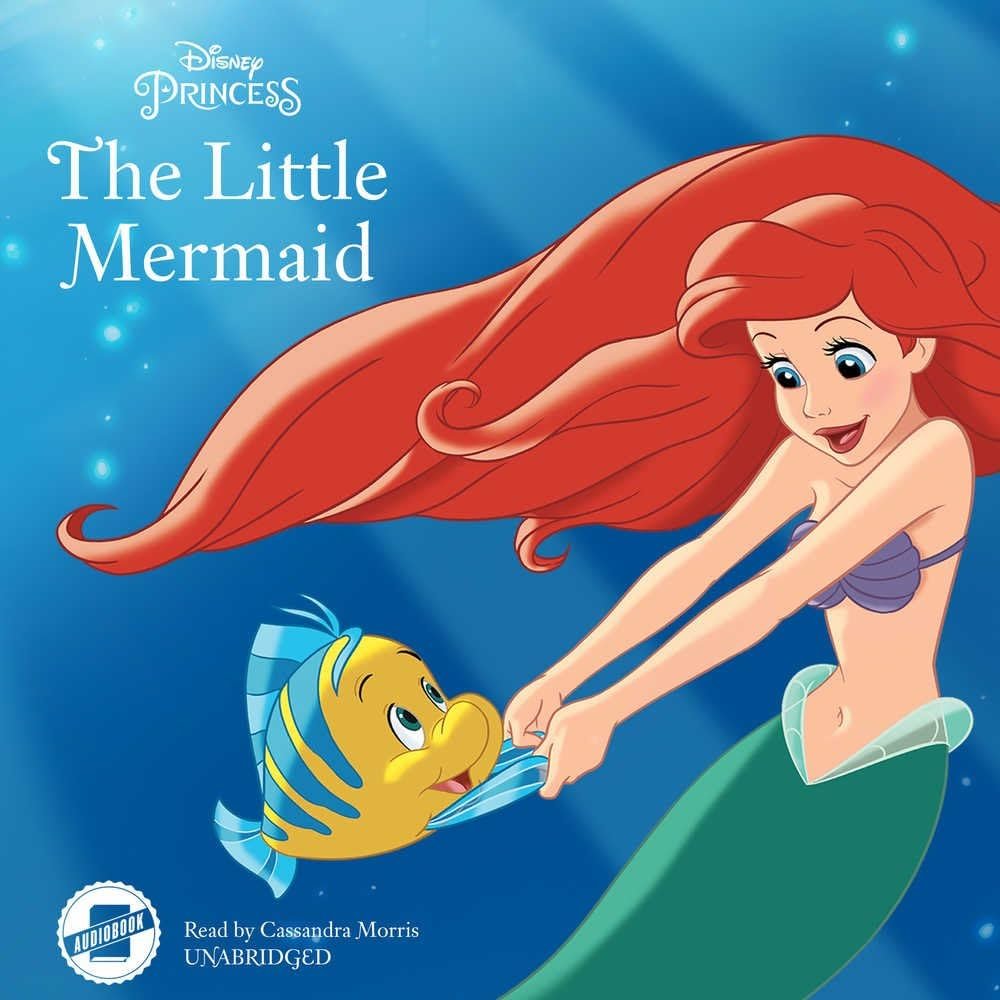
There is a huge disconnect between the neatly packaged happily-ever-afters of our childhood screens and the messy, often painful romantic choices we make as adults. Since, Disney princesses were the primary blueprint for love, we subconsciously internalized a dangerous lesson that love requires extreme suffering before it becomes rewarding and learned to view relationships as a rescue mission rather than a partnership. In real life, this translates to staying in toxic dynamics, hoping that if we just endure enough ‘wicked stepmother’ treatment from the world or our partners, we will eventually be rewarded with lavishing attention, also known as ‘the princess treatment’. This addiction to the drama confuses the exhausting effort to earn love with the steady, peaceful reality of actual compatibility.
Enter the Modern Heroine
Thankfully, the house of mouse underwent a much-needed corporate therapy session. The newer guard of princesses has completely rewired the narrative, proving that women are no longer required to be rescued into a meaningful life.
- Mulan shifted the paradigm entirely. Her central crisis wasn’t “Will a man marry me?” but rather “Who am I when I stop performing the rigid social role expected of me?” Li Shang was an excellent bonus, but he was never the prize.
- Merida looked at a traditional royal marriage which was “the ultimate happy ending of yesteryear”, and treated it as a horror story. In fact, her rebellion is a fierce demand for autonomy.
- Moana bypassed the romantic subplot entirely. Blessed with a loving family and a supportive community, her voyage wasn’t an escape from trauma, but an expansion of identity. Maui was a delightfully infuriating coworker and never a romantic saviour.
- Anna and Elsa delivered the fundamental meta-critique. Anna fell victim to the classic Cinderella delusion of clinging to the first prince who smiled at her (with disastrous, villainous results), while Elsa’s emotional climax had absolutely nothing to do with romance. Her triumph was the radical act of self-acceptance and repairing sisterhood.
The princess archetype has evolved from a narrative reliant on outside saviours to a journey of inner growth and self-determination. Under the old formula, stories were deficit-driven, focusing on lonely or mistreated characters whose final salvation was the prince, with the end goal of being chosen by another. In contrast, the new formula is identity-driven, centering on characters who actively seek self-discovery. In these modern narratives, the prince is reduced to a sidekick or is entirely non-existent, eventually shifting the ambition to choosing oneself and gaining true independence.
Cultivating Self-Validation
So, how do we pivot from the frantic anxiety of the Cinderella template to the grounded sovereignty of Moana? Simple. It requires the shift from external dependencies to reclaiming self-sufficiency.

First, we must learn to separate intensity from intimacy. True compatibility is built on consistency, safety, and mutual respect, not the dizzying highs and lows of emotional paucity. Second, practice the art of self-witnessing. Before outsourcing your worth to a dating app match or a partner’s mood, take inventory of your own brilliance, your resilience, and your boundaries. When you regularly validate your own emotional landscape, you stop treating superficial approval as oxygen.
The point here isn’t to banish the classic fairy tales or cynical viewings of The Little Mermaid. Romance is wonderful. But the healthier question to ask ourselves is: What is happening in our lives before the prince arrives? And even after the prince arrives, if he arrives at all, how is he going to add to our lives?
When we cultivate a life where affection is dependable and self-worth is self-generated, we are no longer vulnerable to confusing attention with love. Enjoy the romance, enjoy the fairy tale, and by all means, enjoy the prince if he happens to show up. Just make sure he isn’t the entire plot.

By Bahnika Sen
Bahnika Sen is a trader, fitness expert, and writer. She can be contacted at: bahnika23@gmail.com