



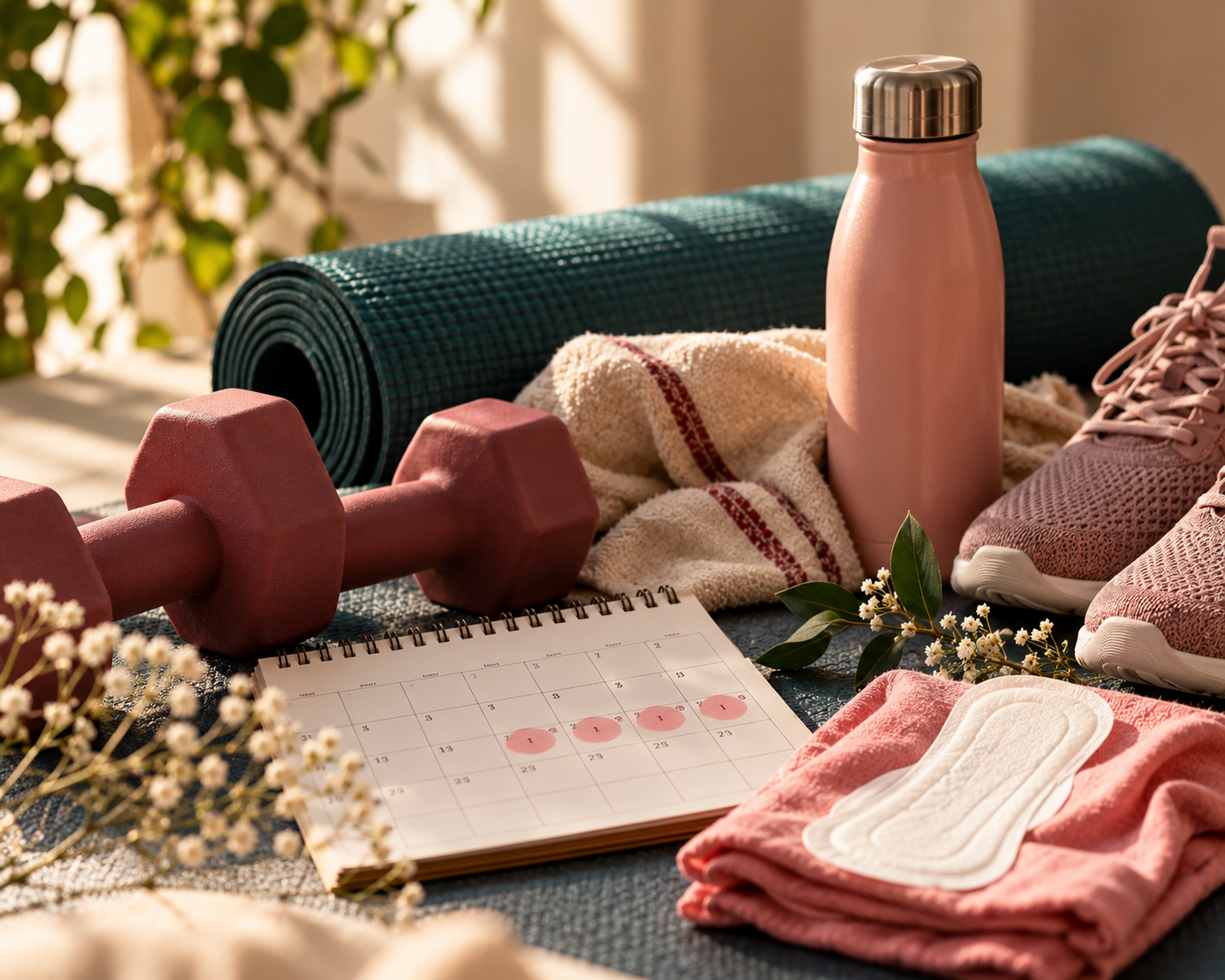

“Doctor, should I exercise when I am on my period?”
It is a question I hear often, sometimes accompanied by an apologetic smile, as though menstruation has suddenly made a woman less capable of doing something as ordinary as exercising. Sometimes the question comes from a young girl who has just started going to the gym, sometimes from a woman who has been exercising regularly for years, and increasingly from women who have been watching fitness videos on social media and are confused about whether they should rest during their periods or train even harder.
The confusion is understandable because we seem to have moved from one extreme to another.
For years, women were told to slow down, stay indoors, avoid physical activity and simply tolerate those five or six days. Today, social media presents another picture, where women appear to become superwomen during menstruation, lifting heavy weights, running long distances and completing intense workouts, often accompanied by messages that subtly suggest that stopping is a sign of weakness.
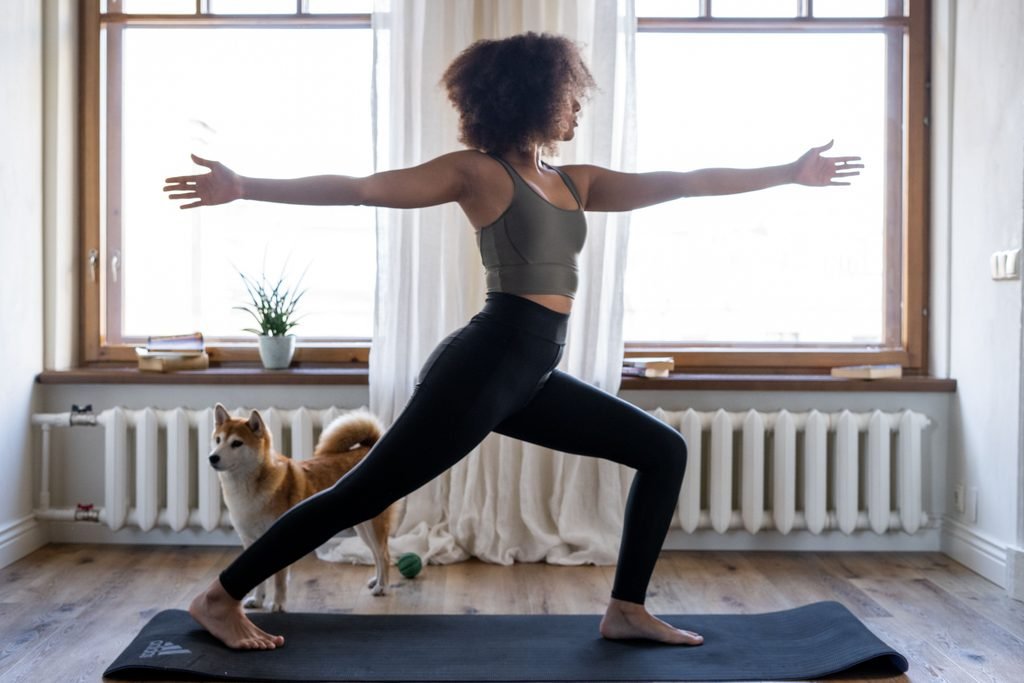
As a gynaecologist, I believe the answer lies somewhere between these two extremes.
There is no universal ‘period workout.’
The menstrual cycle is not identical for every woman, and neither is every period. Even in the same woman, one cycle can feel completely different from another. There may be months when she feels energetic and strong, and there may be others when cramps, heavy bleeding, bloating, poor sleep or fatigue make even routine activities feel difficult.
So instead of asking, “What exercise should every woman do during her period?” I would rather ask, “What is your body telling you today?”
If a woman feels fine during her period, there is generally no automatic reason to stop her usual exercise. If she is accustomed to strength training, running, cycling, swimming or yoga, she can generally continue according to her comfort and fitness level.
And yes, if she is an experienced lifter, feels strong and has no concerning symptoms, her period does not automatically mean that she has to put away the weights. There may be days when she can do her squats, deadlifts, lunges and resistance training exactly as planned.
I say this from my own experience as well.
There are periods when I feel surprisingly strong and energetic, and if my body is asking for deadlifts or power squats on those days, I do them. I do not stop myself merely because I am menstruating. Being on my period does not suddenly make me fragile, and I do not believe that strength training has to be abandoned simply because there is menstrual bleeding.
But there are other days when my body tells me something very different.
Maybe I have cramps, maybe I have slept poorly, maybe the bleeding is heavier than usual, or maybe I simply do not have the same energy. On those days, I do not consider modifying my workout a failure.
Listen. Modify. Move.
To understand what this means, imagine that my usual workout is a lower-body strength session consisting of a warm-up, squats, deadlifts, lunges, glute bridges, core work and a cool-down.
Now imagine three different menstrual days.
Day 1 – Feeling strong and comfortable
My period has started, but my energy is good, my cramps are minimal and the bleeding is manageable.
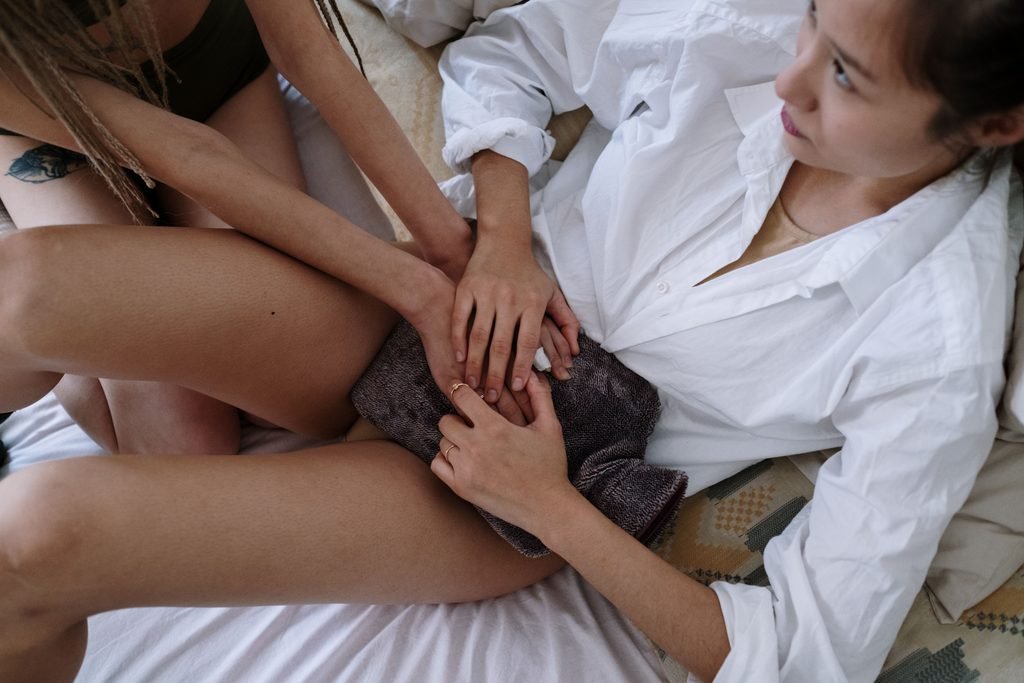
There is no reason to unnecessarily change my workout simply because I am menstruating. I may do 5–10 minutes of warm-up, followed by my usual squats and deadlifts at my normal training load, walking lunges, glute bridges, core exercises and stretching.
I feel good, so I train normally.
Day 2 – Cramps and moderate fatigue
The same woman, the same period, but a different day.
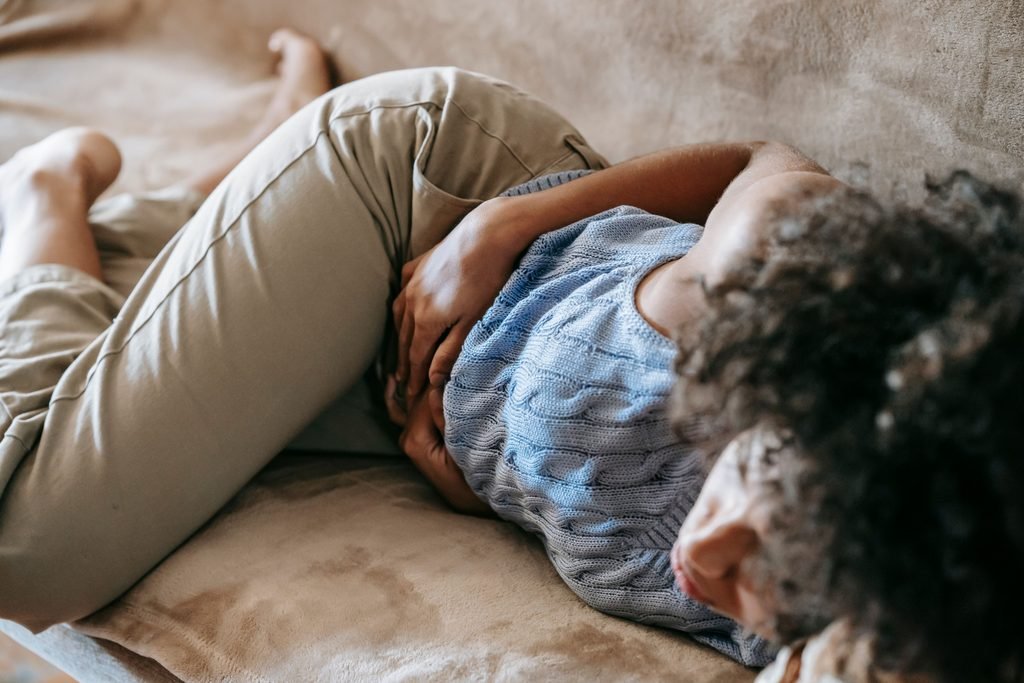
My abdomen is cramping and my energy is lower, so I may take a longer and gentler warm-up, reduce the weight and repetitions of my squats, use lighter weights for deadlifts while concentrating on technique, replace walking lunges with stationary lunges, reduce the number of sets and finish with gentle core, mobility and stretching exercises.
The workout remains, but the intensity reflects how I feel that day.
Day 3 – Heavy bleeding and exhaustion
Today is different.
I am bleeding heavily, feel extremely tired and perhaps even slightly dizzy. This is not a day to prove that I can “push through” simply because social media has taught me that strong women never stop.

If I feel comfortable, my movement may be limited to gentle walking, light stretching or mobility work, followed by hydration and rest. If I am dizzy, breathless or genuinely unwell, I do not exercise; I stop and assess why I am feeling this way.
Recurrent heavy menstrual bleeding can contribute to anaemia, fatigue and reduced exercise tolerance. Severe period pain, very heavy bleeding, dizziness, fainting, unusual breathlessness or symptoms that repeatedly interfere with school, work, travel or exercise should not simply be accepted as unavoidable; they deserve medical evaluation.
The important point is simple – the exercise did not change because the calendar said I was menstruating; it changed because my symptoms changed.
A period is neither a prescription for bed rest nor a challenge to prove that we are ‘superwomen.’ We do not have to be afraid of movement, nor do we have to push through symptoms to prove our strength.
Sometimes I may be menstruating and doing heavy deadlifts. Sometimes I may be doing lighter squats. Sometimes I may be taking a walk. And sometimes my strongest decision may be to rest.
That is what respecting the body ultimately means: not asking it to be the same every day, but learning to hear what it is saying – and having the courage to honour it.
Because strength is not measured by how much we lift on our hardest days. Sometimes, it is measured by how wisely we choose what our body needs.
By Dr Nirza Saikia
Dr. Nirza Saikia is a medical professional, writer, and researcher with interests in women’s health, medical ethics, public policy, and the intersection of technology and society. Her work explores how systems—from healthcare to artificial intelligence—shape lived experiences, particularly for women and marginalised communities She can be reached at nirzasaikia@gmail.com.