





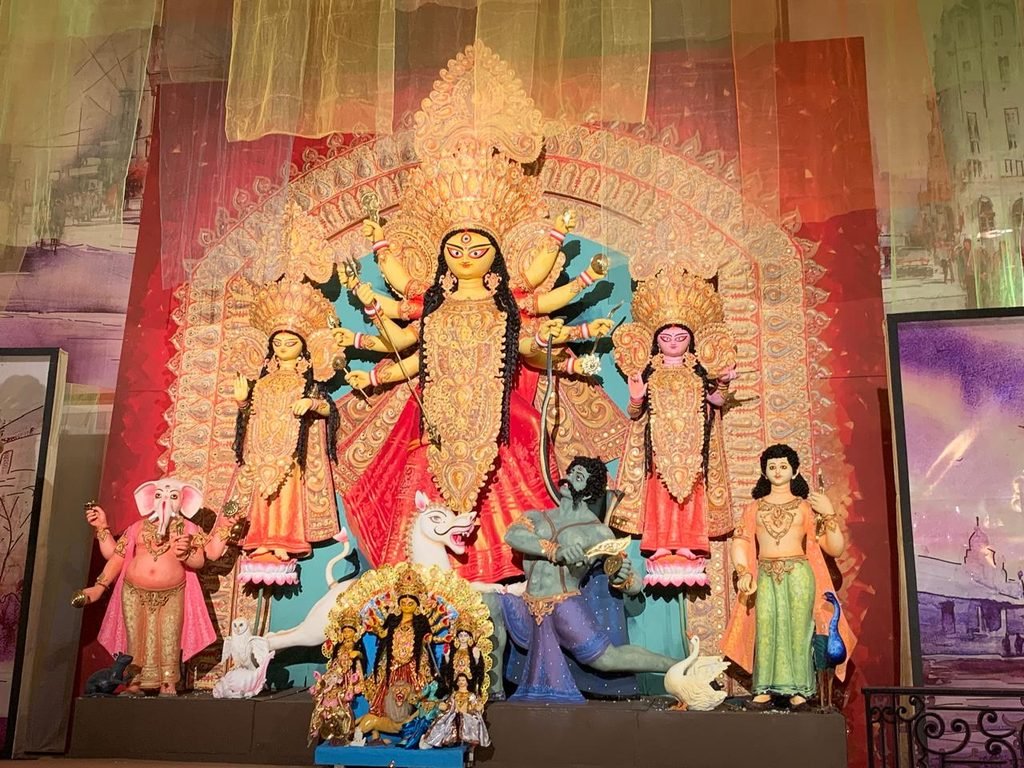
Pujo. An emotion. An experience. And of course, an extravaganza. And where else can you live it more fully than in the lanes and largesse of Kolkata!
The Girl in The Goddess
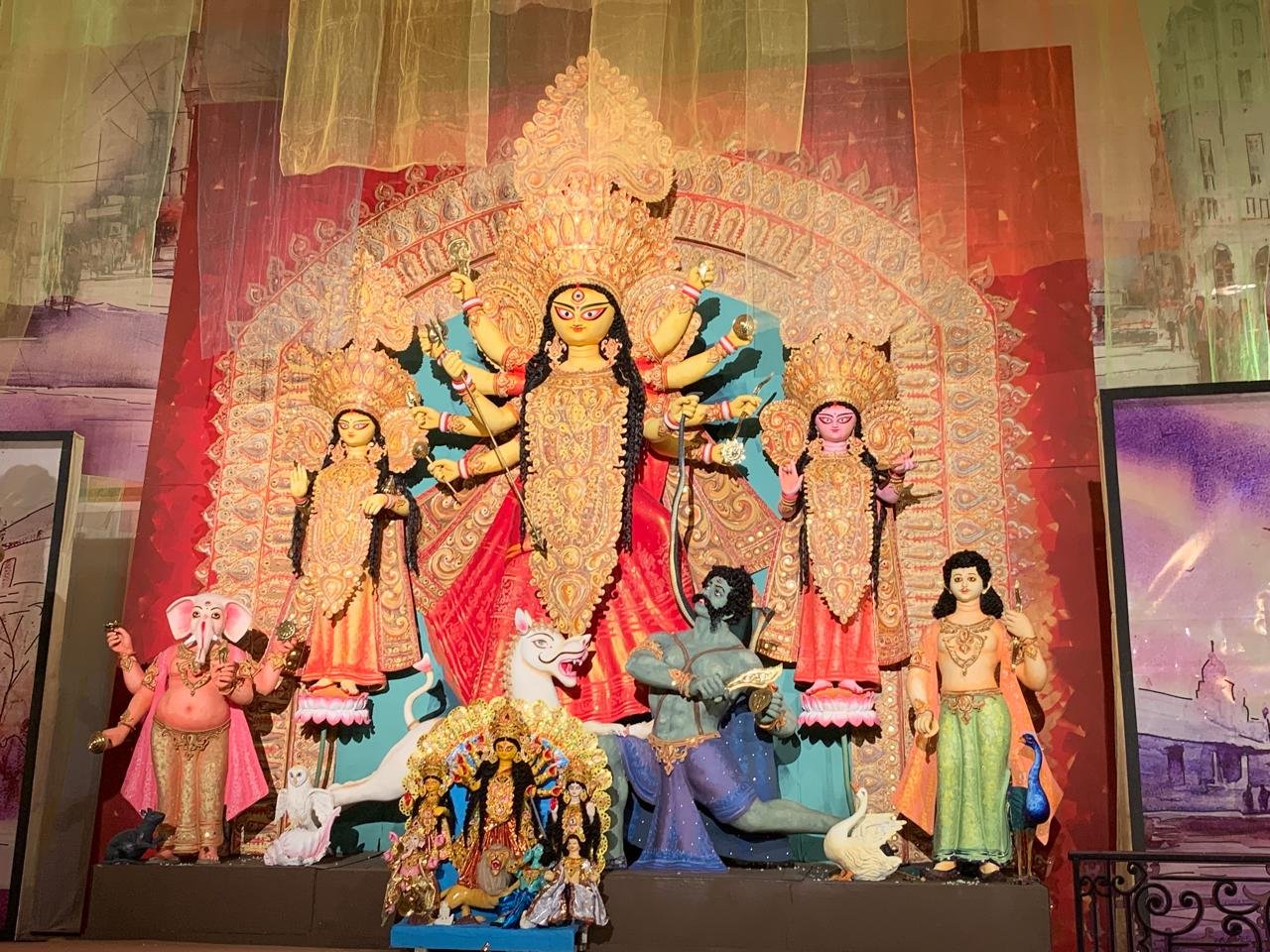
It is the city where the mythical blends with the meaningful to welcome The Girl, who becomes as real than the ones in its homes. “Uma ashche barite” is hardly an instance of ‘willing suspension of disbelief’ but more a manifestation of the innermost desires of the multitudes. The desire to bring to life a Goddess, who is as endearing as a daughter and as empowered as a mother. And while the untainted clay, which is pulled out from the Ganga to make Her, ultimately dissolves into the waters, the belief that is bolstered, remains.
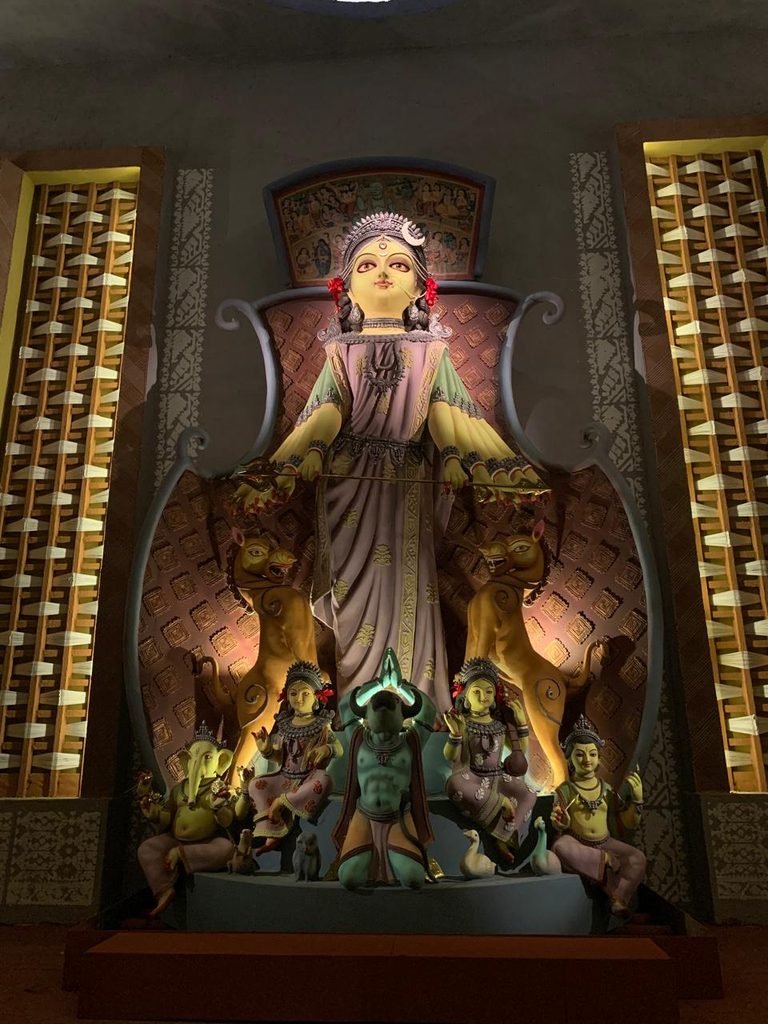
Pujo and nostalgia are inseparable…
And it is through our senses that the feeling of nostalgia seeps in. Be it the mackerel sky, the fleecy clouds, the vibrant hues, the sudden sighting of the plumes of ‘kaash phool’ or the soothing fragrance of the ‘shiuli,’ all are nature’s ways to usher in Uma.
The human heralding is perhaps through the booming beats of the ‘dhak’ that echo from nowhere drawing people out from their homes to connect with the collective fervour.
For me, it is the dramatic baritone voice of Birendra Krishna Bhadra that spells the homecoming of Maa Durga. In fact, the resonant recitation of ‘Mahishasura Mardini’ at an hour when darkness does not still give way to light, even today, gives me goosebumps. Every time, its symbolism becomes less mythological and more perceptible and it is my Thakuma’s (grandmother’s) words spoken decades back that keep coming back to me.
Kumartuli of Kolkata
It is in the cramped and clayey alleys of Kumartuli that nostalgia embraces novelty to create art that is timeless yet tangible. Tirelessly working in their little open studios, the artisans not only craft the idols but also breathe vitality into their existence. I vividly remember the walking tour that I had taken through Kumartuli a couple of years back and how mesmerised I felt to explore the potter’s neighbourhood. The activity was so engaging that I barely clicked photographs and restrained myself from intruding into the potters’ privacy. However, I could not come back without savouring the local street specialities of Kumartuli along with the riveting riverside views that the ‘ghat’ offered.
The Bonedi or the Barowari?
Unlike the previous days, two distinct forms of Durga Pujo have evolved with time, though there are sundry other variation in between. The ‘Bonedi Bari’ pujos are rooted in historical heritage and are more private than public in their appeal. Often these pujos are performed in the ‘thakur dalan’ or courtyards of old families across generations and are noted for their exclusive rituals and representations. Usually the deities are under an ‘ek chala’ or a single arch and they are adorned in the ‘daaker shaaj’ or the classic monochrome appearance. They provide a peak into the Bengali culture of the 18th century and there are still quite a few of them like the Shobhabazar Rajbari that uphold the august and the ancestral.
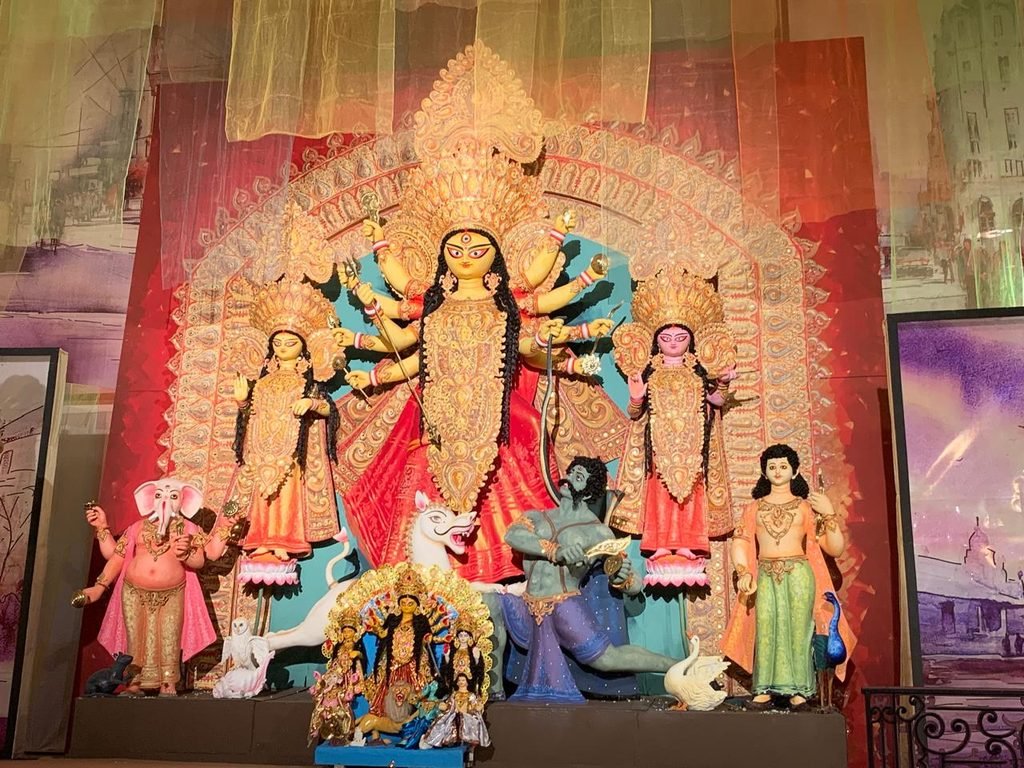
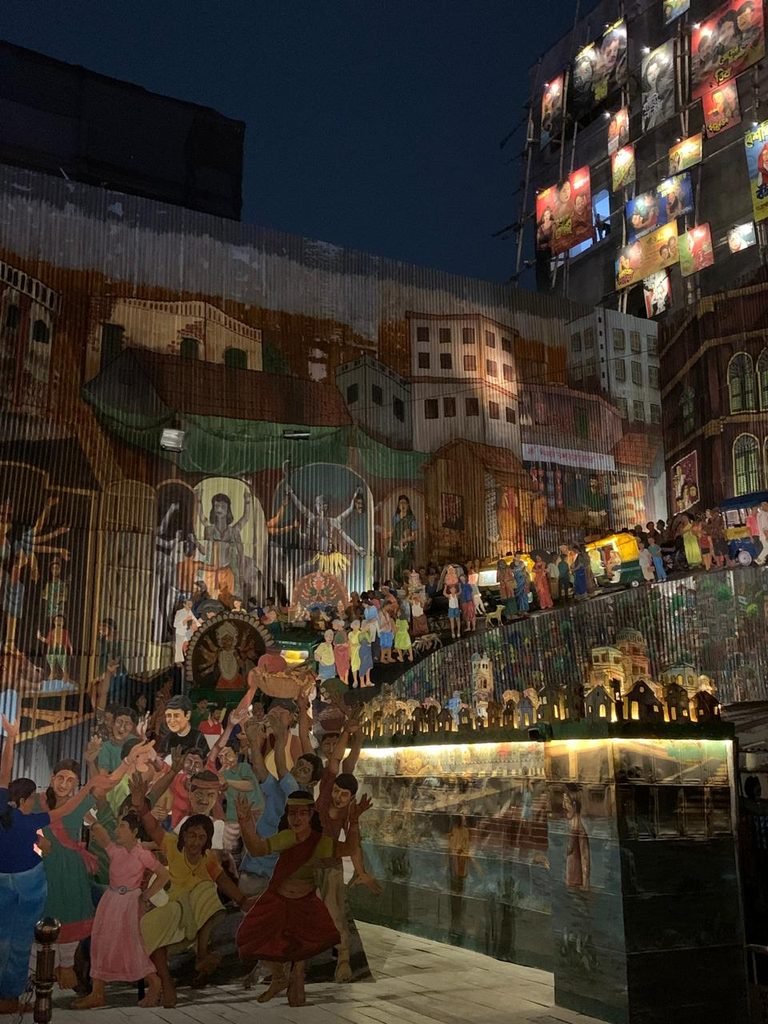
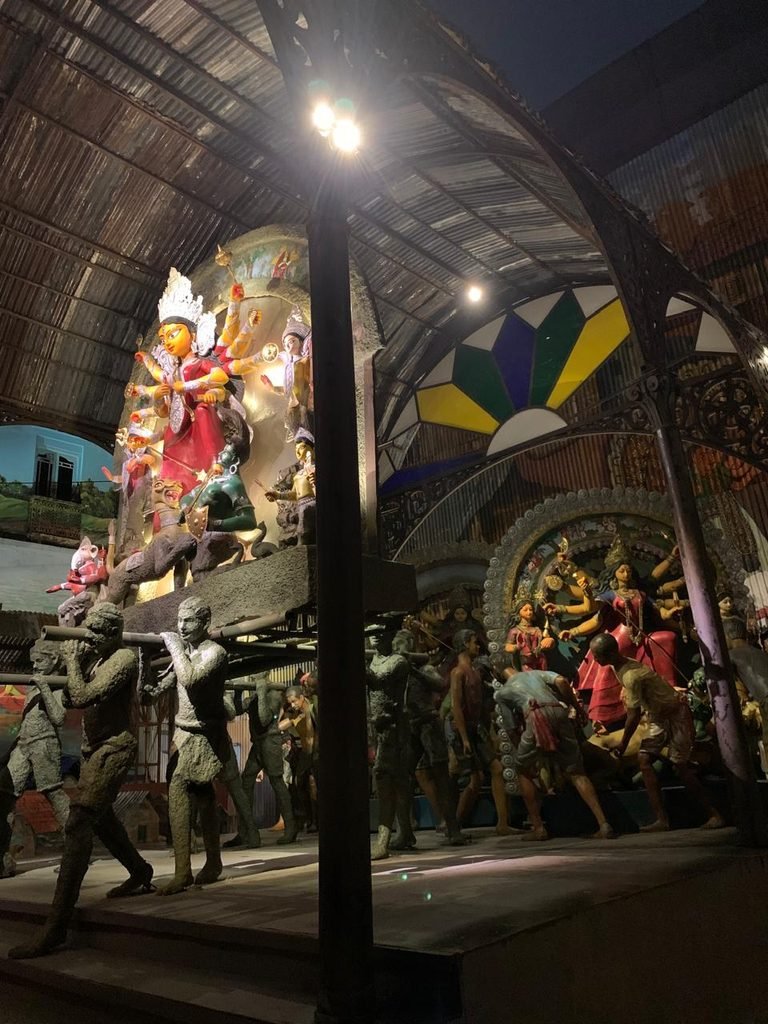
The ‘Sarbojonin’ or the public pujos, in the recent past, have grown into mass-scale carnivals that need big spaces and conceptualized architecture to present their thoughts and themes. I have been to many of them in the past four or five years and all I can say, is that, I left every such premise, overwhelmed. The uniqueness of the installations, the lighting, the sounds and all that is put together to create a vision is worth seeing and celebrating.
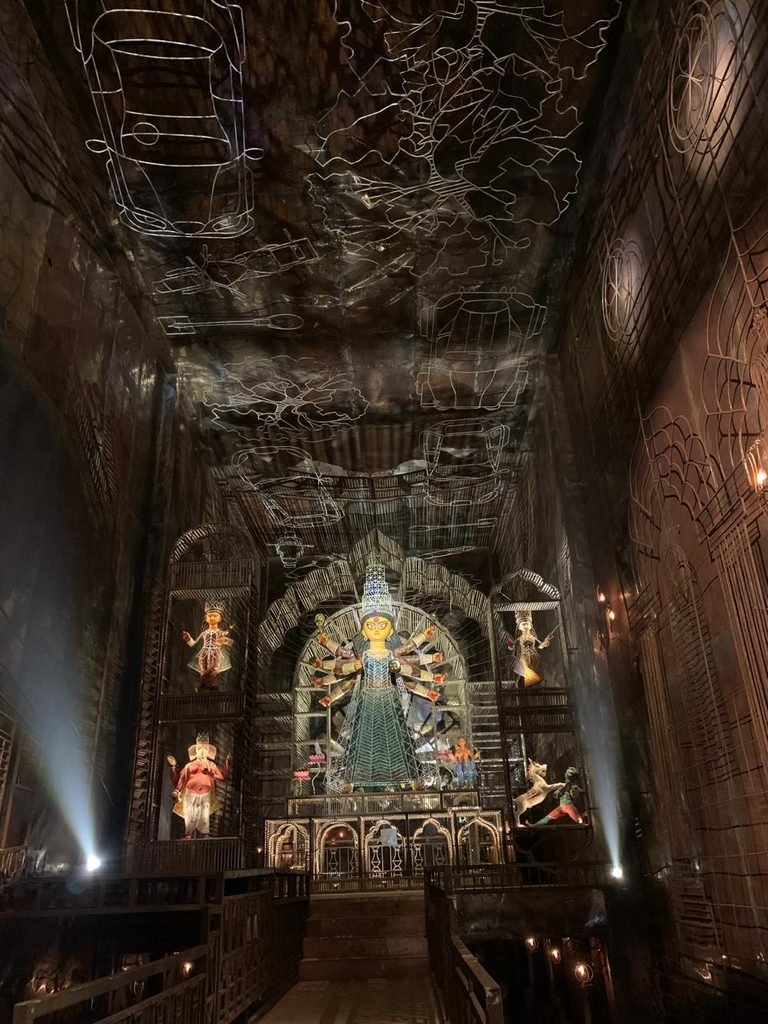
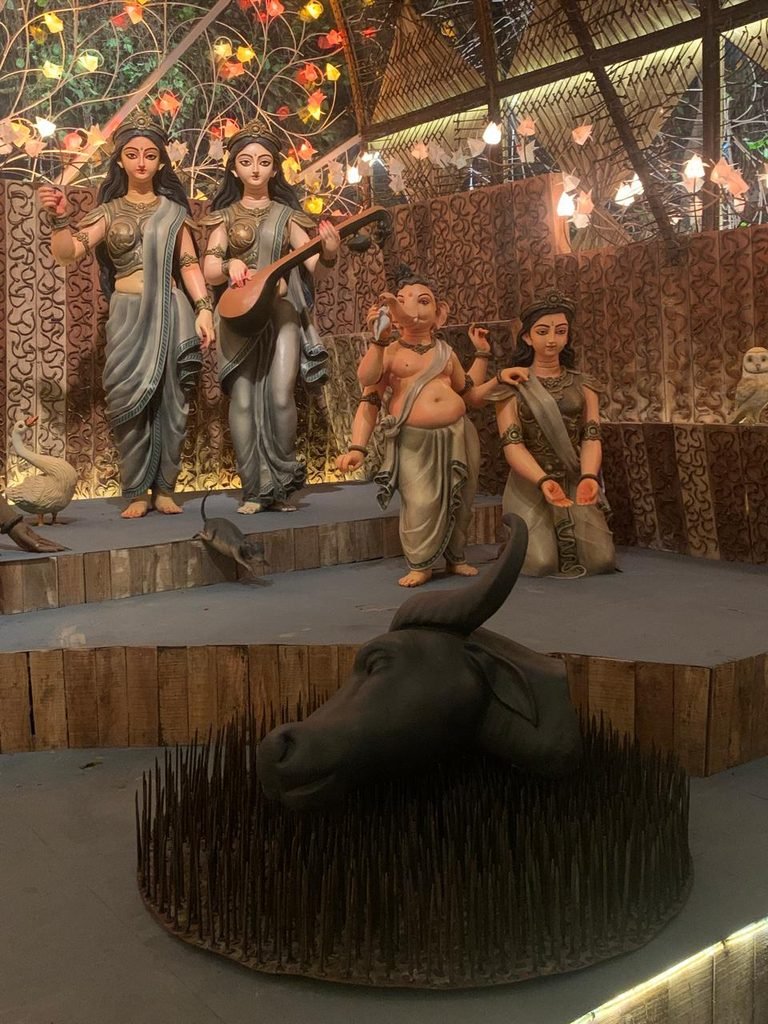
Interestingly, it is the avant-garde nature of the Durga Pujo narratives that metamorphose Kolkata into an art gallery for almost two weeks during this time of the year. The recognition of being a UNESCO Intangible Cultural Heritage of Humanity fills every Kolkatan with immense pride and propels her to participate in this grand artistic socio-cultural phenomenon.
2026 Durga Pujo!
The Telipukur Yuba Sangha Club uses the concept of a pond or a waterbody and showcases the relationship that people had with them. Calling itself ‘Ek Pukur Bhalobasha,’ the pandal projects the pain of losing such waterbodies by mindlessly polluting them and thereby disrespecting the necessity of water in every pujo, so to speak. Conceptualized by the well-known artist, Sonaton Dinda, Nalin Sarkar Street, deals with a similar theme where the significance of saving water from contamination is emphasized by making use of earthy ideas and elemental motifs.
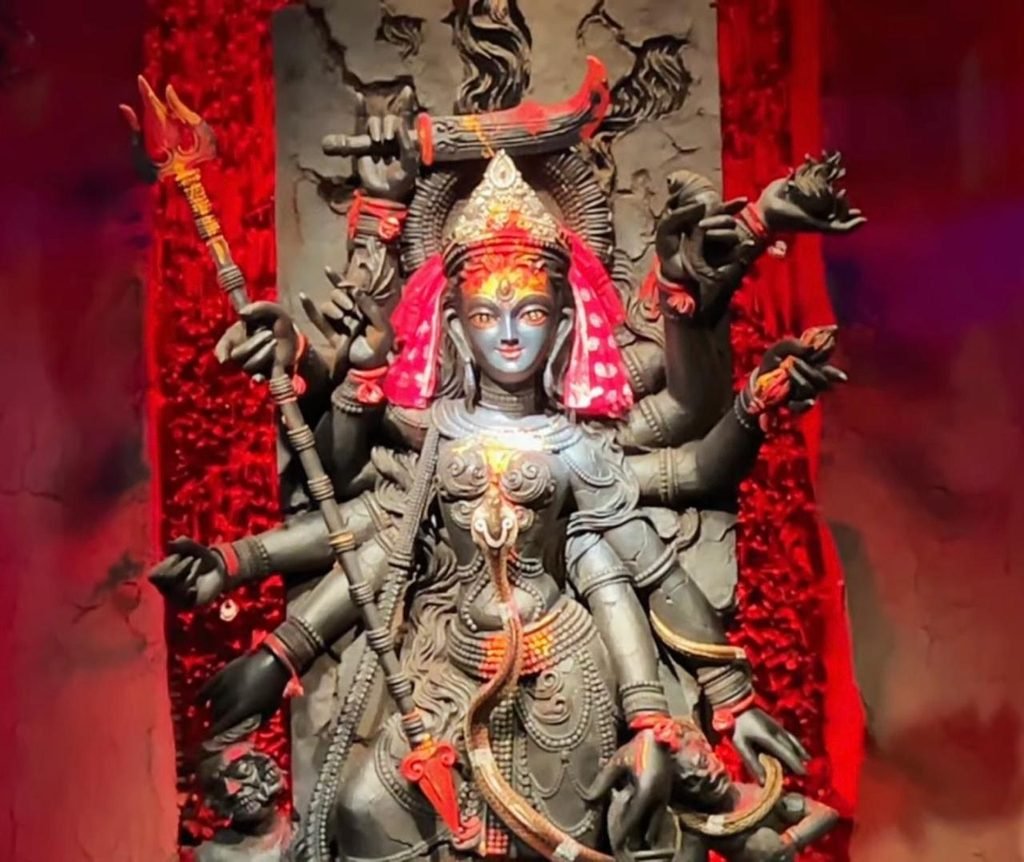
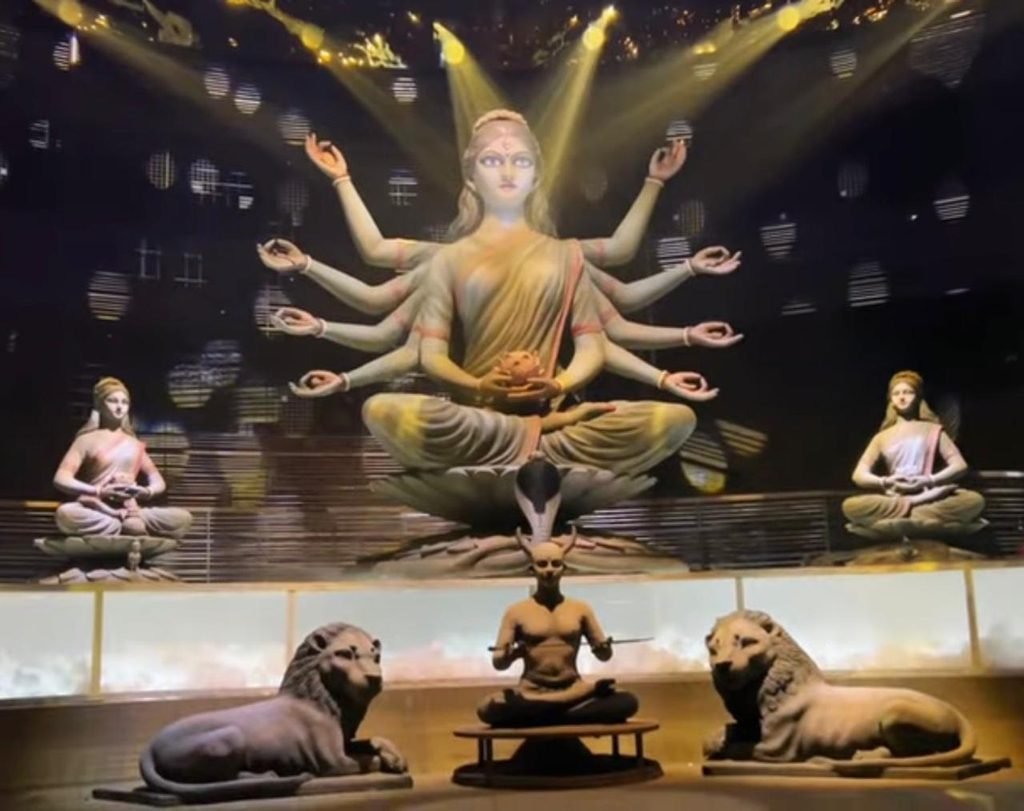
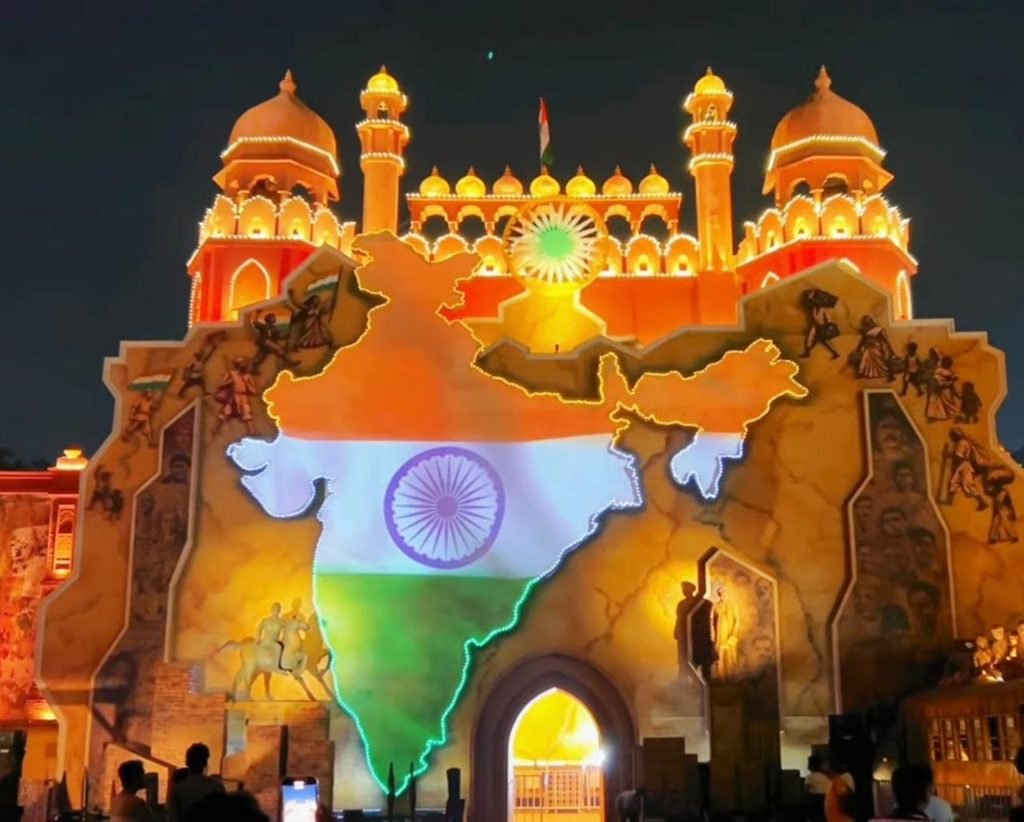
Chorebagan Sarbojanin delves into world of no-noise by thematically presenting ‘Orob’. It highlights the need of disconnecting from the commotion and chaos of the present times to seek refuge in silence and spirituality. The mystical lights and sounds there will certainly enable one to go within and experience peace and poise, even if for a fleeting period. On a completely different note, based on the theme of ‘150 years of Vande Mataram’ is the Santosh Mitra Square pandal. Once again, the appropriate lights and sounds evoke within us the sense of patriotism and remind us of the sacrifices of our predecessors in gaining freedom.
Chetla Agrani Club animates the theme of ‘Bishyorupe Bishyorupini’. It is inspired by the ultimate revelation of Shri Krishna to Arjuna in the Mahabharata and is carried forward in understanding the Devi and Her dimensions. Our Durga is an amalgamation of all the innumerable forms of ‘Nari’ (Woman) and we as individuals need to shed our biases to behold Her in Her entirety.
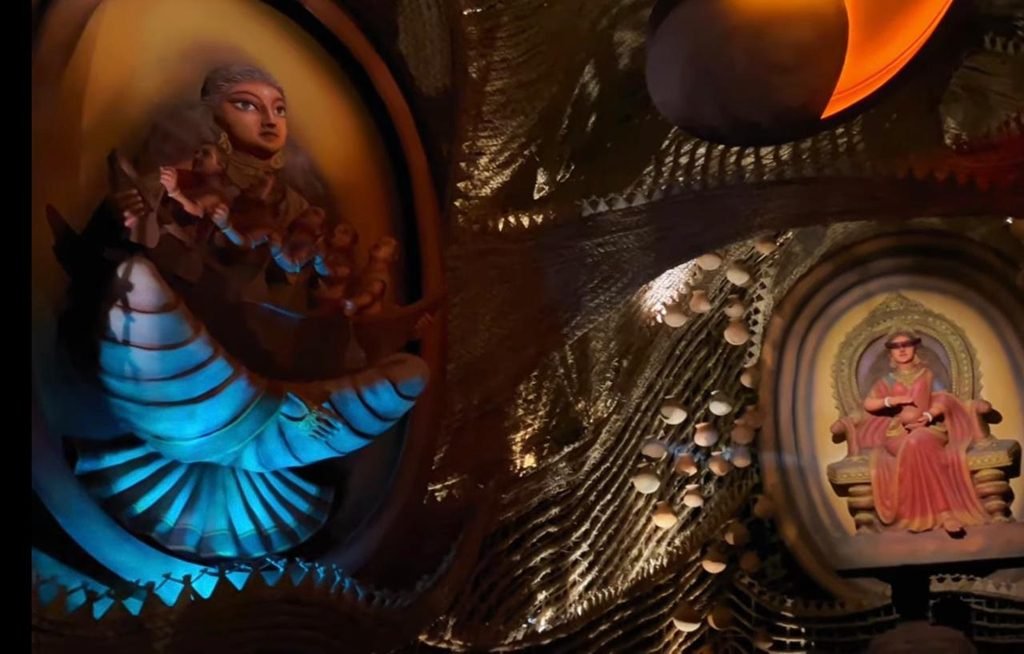
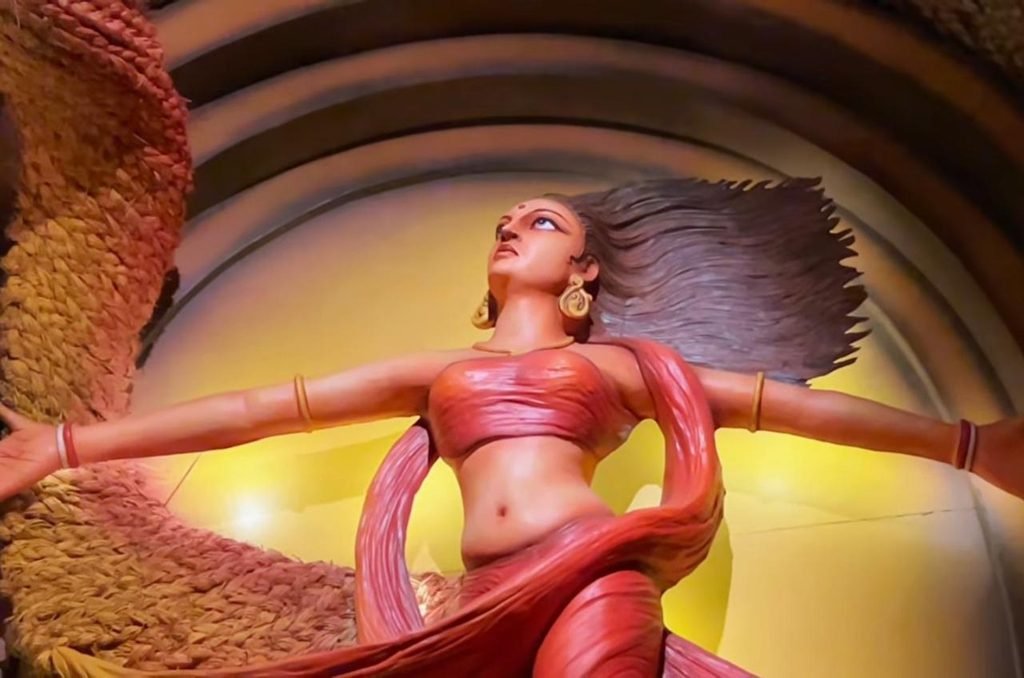
Some more noteworthy pandals of Kolkata 2026 include Sreebhumi Sporting Club, which features a palace and the popular Chandannagar lighting; the Mohammad Ali Park pandal that replicates the architecture of the Chola-era temples; Santosh Mitra Square pandal advocating sustainability and based on the ‘Baikuntha’ theme and several others.
Pujo Prem continues…
But beyond all the ‘hoichoi’ (excitement and joy) and ‘hullor’ (celebration and revelry) lies the ‘prem’ (love and affection) for Durga Pujo. For the romantic, it could be in a person (though pujo is notoriously noted for infatuation and everything short-lived); for the reader, it could lie within the covers of the Pujobarshiki; for the probashi, it could be a homecoming; for the reveller, it could be in fun and feasting; and then again, for many more, it could mean freedom from the mundane and the measly.
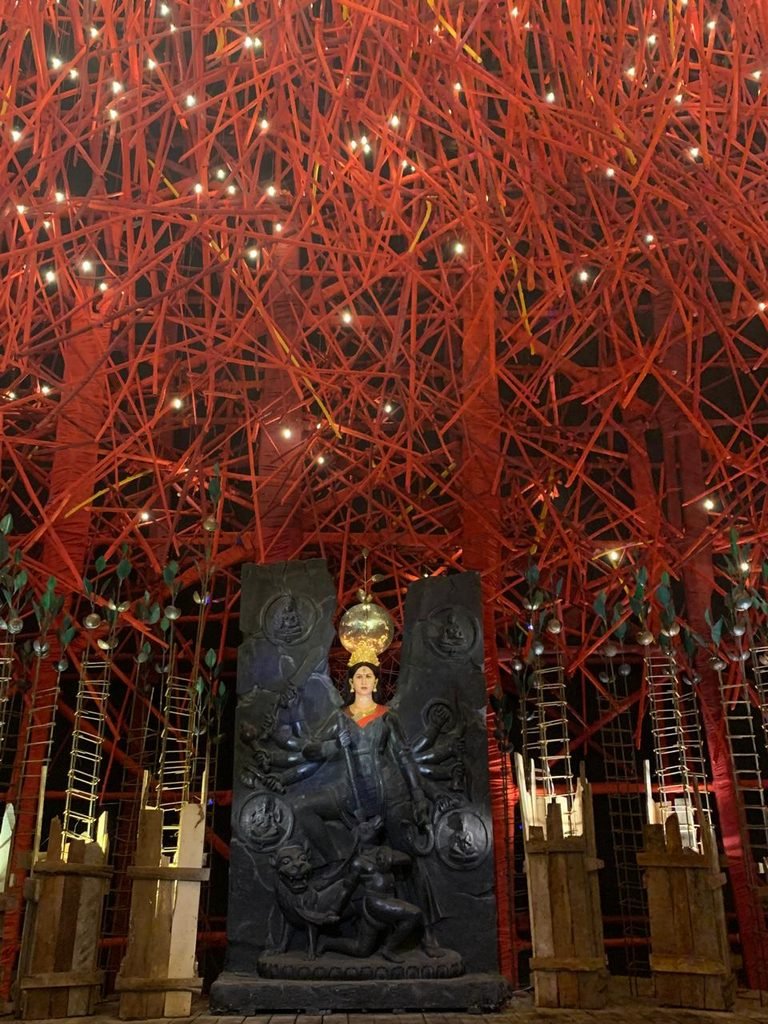
To me, it means the warmth of belonging to a culture where the Devi and ‘I’ become One…not only in being the endearing Uma but also in becoming the indomitable and intimidating Durga, who slays the demon(s) and restores the righteous, if need be!

By Promita Banerjee Nag
An avid word enthusiast and content-churner, Promita is fuelled by novel writings, ideas and light-hearted banter. A teacher by passion, she treads the path of unequivocal learning with and through her students. Mother, music and ‘mishti’ mostly convince her. If you wish for a tête-à-tête, feel free to reach out to her at promita033@gmail.com.