




In our thirties and forties, life undergoes a quiet role reversal. The milestones we once viewed from afar now shape our daily itineraries. For my family, leisure vacations have gradually given way to spiritual pilgrimages. We find ourselves returning to the very sanctuaries, our parents took us to decades ago; except now, the logistical mantle has passed to us. We are the ones booking the travel, managing the details, and ensuring everyone is cared for before we set out.
Standing in those densely packed temple queues, waiting indefinitely for our turn, I find myself observing the varieties of families around me. Adult children guide their elderly parents through the press of the crowd. Sadly, a stark reality unfolds before my eyes: the vast majority of these aging parents face immense physical limitations. They struggle against severe obesity, frailness, crippling knee arthritis, or complete reliance on wheelchairs.
However, the grace of their adult children is deeply moving. Their patience carries no trace of condescension and their affection never degenerates into coddling indulgence. Moving with the quiet, instinctive care of seasoned guardians, they match their steps to shorter strides, carry heavy bags, hunt for rare places to sit, and shield their parents from the chaotic surges of the crowd. It is a poignant testament to the truth that family is, at its core, a sacred covenant of mutual care.

Yet, navigating these spaces also forces a sobering introspection regarding our societal definition of fitness. We rarely acknowledge that our physical condition is never entirely a non-public affair.
Picture the crowded temple queue again. Suddenly, a ripple of stillness breaks the momentum as an elderly devotee’s stamina completely gives way. The collective forward movement of hundreds of strangers must shift into reverse to accommodate a wheelchair and carve a path through the human tide. The family dynamic is disturbed; one companion must abandon their place in line to push the chair and wait behind, watching the rest of the group carry their prayers forward. We have witnessed similar situations elsewhere too.
To be absolutely clear, none of this implies individual blame as physical dependence is a vulnerable state, and never an embarrassment. Aging, illness, and unexpected disabilities are immutable realities of human existence. A truly civilized society must accommodate these challenges with unyielding dignity, infrastructural accessibility, and unwavering compassion.
Nonetheless, we must also confront a parallel, harsher truth – preventable physical decline is never a purely private loss. A wheelchair does not merely transport its occupant; it anchors the pace of the entire traveling party. When I lose the capacity to climb stairs, someone else must bear the weight of my luggage and if my balance deteriorates needlessly, a loved one’s hand must permanently hover in anxious vigilance behind me. To neglect one’s physical strength is to systematically convert ordinary, personal tasks into forced, collective labor. Over time, what begins as voluntary assistance quietly hardens into obligation.
This is precisely where our cultural understanding of health must mature. We are routinely sold fitness as a quest to shred weight, sculpt muscle, look youthful, or extend longevity. But what if health is actually an underrated act of civic consideration?
We spend our infancy being physically sustained by our parents. They lift us from the floor, feed us, hold our hands across streets, and shield us until we can navigate the world independently. Eventually, this cosmic script flips. There is an undeniable beauty in children caring for aging parents; indeed, it is the bedrock of a compassionate civilization.
But this multi-generational responsibility should not be entirely one-directional. If we possess the agency to preserve our strength, mobility, balance, and flexibility, we are morally committed to do so because dependence carries a steep tax which is almost always paid in the currency of a loved one’s freedom and energy.
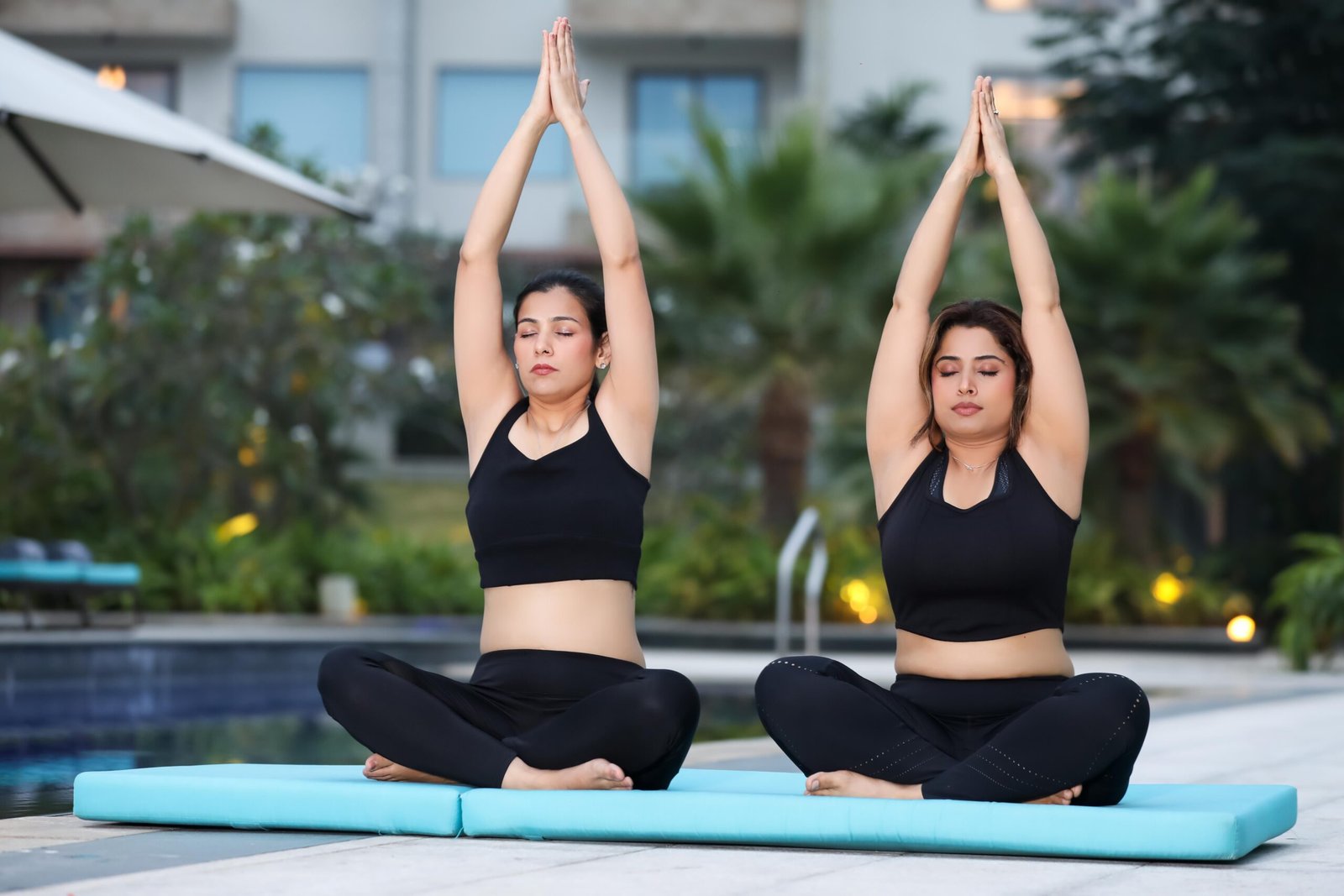
At middle age, this realization becomes an urgent priority. Muscle mass, bone density, balance and functional mobility all start to matter because they dictate how much of ordinary life, we can actively participate in without imposing on others. Can we climb stairs, carry our own bags, or rise unassisted? Can we navigate crowded places without forcing companions to accommodate our physical limitations? There are no medals for functional strength, yet it is the ultimate scale of our independence and consideration for those we love.
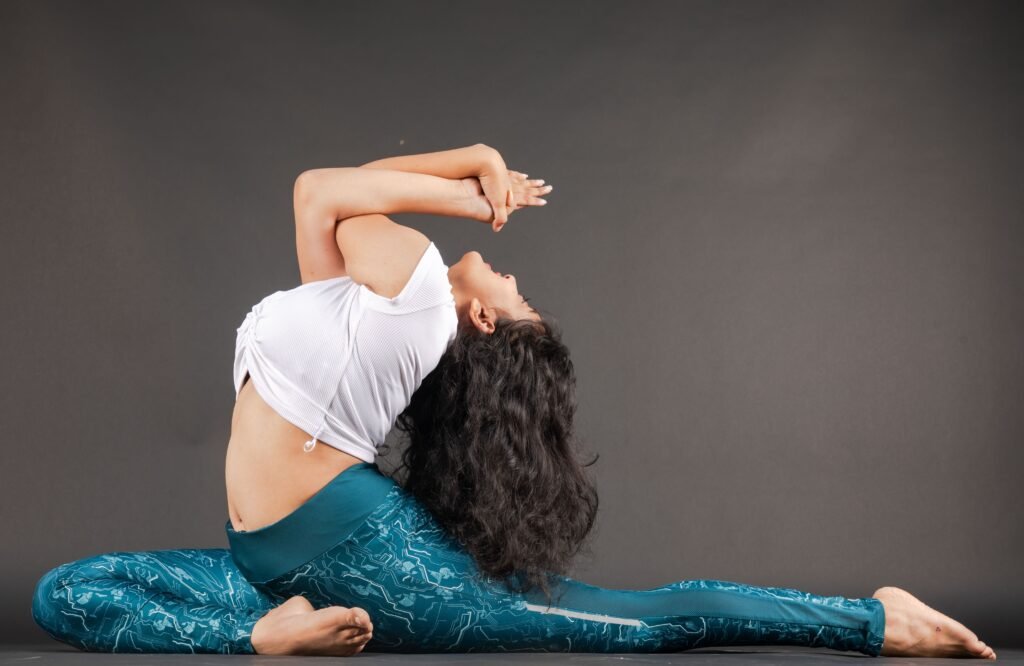
These unglamorous metrics are also arguably the truest measures of well-being since fitness in its most authentic form means to remain mobile and capable in the later years of life. Beyond financial inheritances, the most liberating gift we can leave our children is a body we have conscientiously cared for.
This is not a guarantee that they will never have to care for us; life grants no such immunity. Rather, it is an earnest, lifelong attempt to ensure that if they do eventually have to carry us, it is out of absolute medical necessity and not due to the fact that we abandoned our own upkeep. Perhaps that embodies the truest spirit of our collective coexistence as our choices occupy shared ecosystems and our private bodily constraints inevitably spill into the lives of those we hold dear. Taking responsibility for our health is one of the most substantial ways of taking care of the people we love. Ultimately, vigour shouldn’t just promise a longer life, but a self-reliant one; where our physical strength remains the ultimate guardian of our independence.
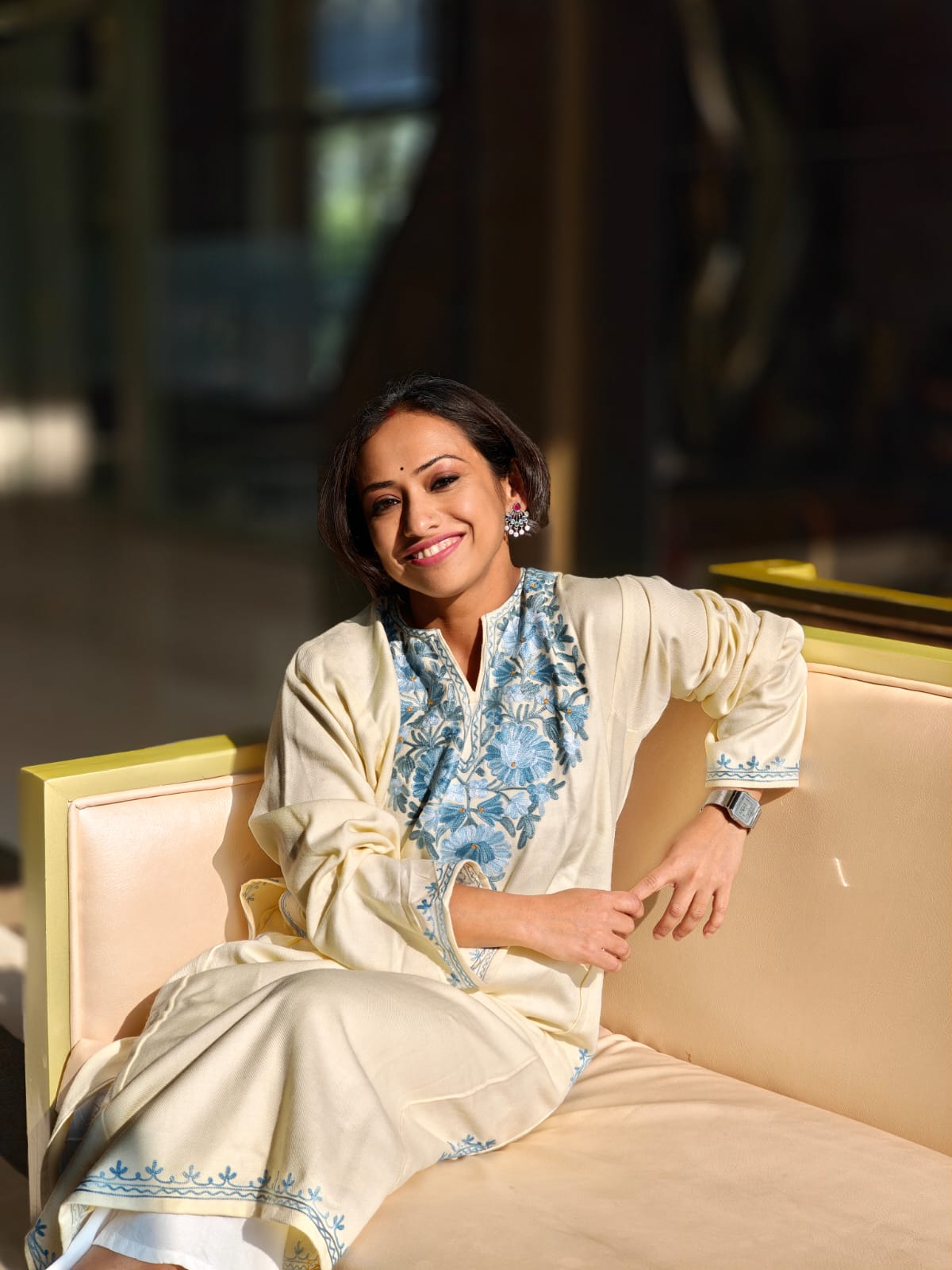
By Bahnika Sen
Bahnika Sen is a trader, fitness expert, and writer. She can be contacted at: bahnika23@gmail.com







A thought-provoking perspective on fitness that goes beyond appearance and longevity. Physical independence is indeed one of the most meaningful ways we can care for ourselves—and for those who may one day care for us.
We always say in our fitness community that “I can die for my kids” is ok…but “can you live for them?”
Such a beautiful piece on assuming accountability for something we neither acknowledge nor are even aware of…health and mobility with age and alterations…
Thank you so much 🙏
So true. well written