
Most of my counselling sessions revolve around relationship issues and the anxiety that follows. But these days, I have noticed a shift. Lately, it has mostly been mothers reaching out to me – mothers who feel completely helpless because they believe they are no longer able to parent their children.
There is a sadness in them that is difficult to put into words. It is not because their children are struggling. That, they are willing to fight through. What breaks them is the feeling that nothing they say or do seems to be enough anymore. Nothing appears to make their children a little kinder, a little more considerate, or a little more respectful towards them.
Many of these children are themselves battling anxiety, depression, ADHD, ODD, Conduct Disorder, and other emotional or behavioural challenges. My heart goes out to them too. They deserve understanding, patience, and the right support. But somewhere in this conversation, I feel we have forgotten that parents are human beings too.
I am fully aware of the generational differences. I know this generation thinks differently, communicates differently, and responds to the world in ways that are very different from how many of us grew up. As parents, we too need to work on ourselves. We need to unlearn many things, understand mental health better, listen more, judge less, and adapt to a changing world. I firmly believe that.
But I also believe it is humanly impossible for anyone to change themselves completely. Parents are learning parenting for the very first time too. They will make mistakes. They will get some things wrong. They will carry beliefs that their children may never agree with. And that is okay.
Every individual has their own ideologies and value system. However, some behaviours should remain non-negotiable, irrespective of which generation we belong to. Respect. Boundaries. Kindness. Empathy. Gratitude. Accountability. Taking responsibility for one’s actions. Contributing to the family in small ways. These are not old-school values. They are life skills that help us build healthy relationships throughout our lives.
The mothers who come to me are not asking for perfect children. They are simply asking not to be treated with contempt. They speak about children banging doors, calling them names, screaming at them, refusing to help with even the smallest household responsibilities, dismissing every effort they make, and behaving as though their parents deserve neither respect nor consideration. That kind of behaviour breaks a person, no matter how much they love their child.
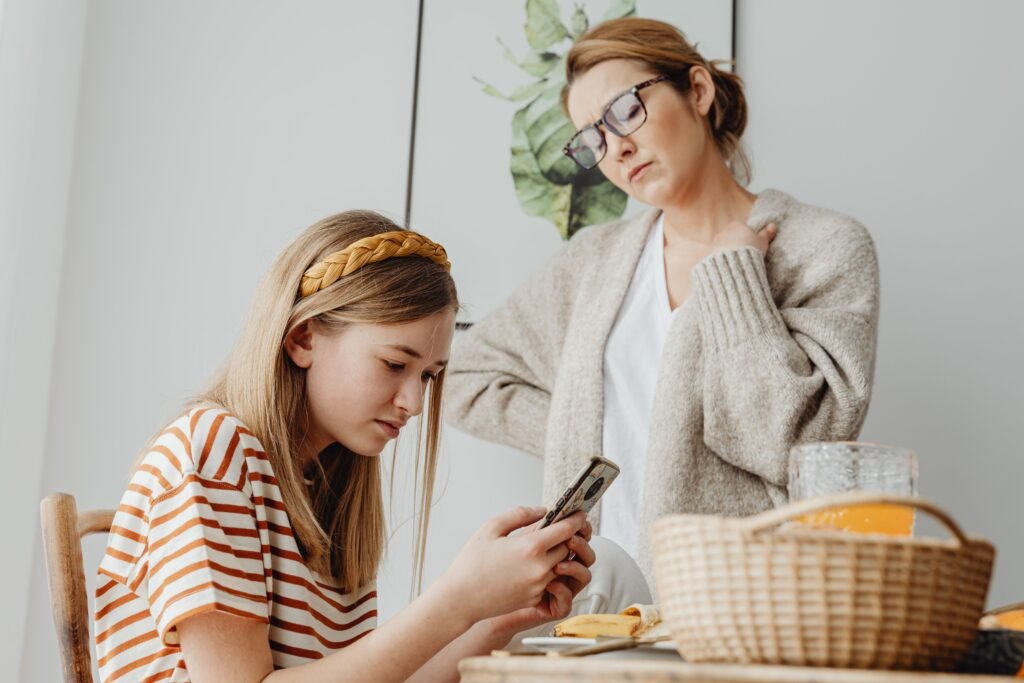
So what is going wrong?
Trust me, I don’t think it is just parenting. If it were, I wouldn’t be seeing so many loving, involved, self-aware mothers sitting across from me, questioning themselves every single day. I think the issue goes much deeper than that.
Friendships influence children more than ever before. The internet has become a far more powerful teacher than most parents realise. Social media has changed the way children view authority, relationships, success, and even family itself. At the same time, children are growing up in a world of constant digital stimulation, endless comparison, instant gratification, shrinking attention spans, and fewer opportunities for meaningful face-to-face emotional connection. I don’t think we have fully understood the impact this is having on young minds.
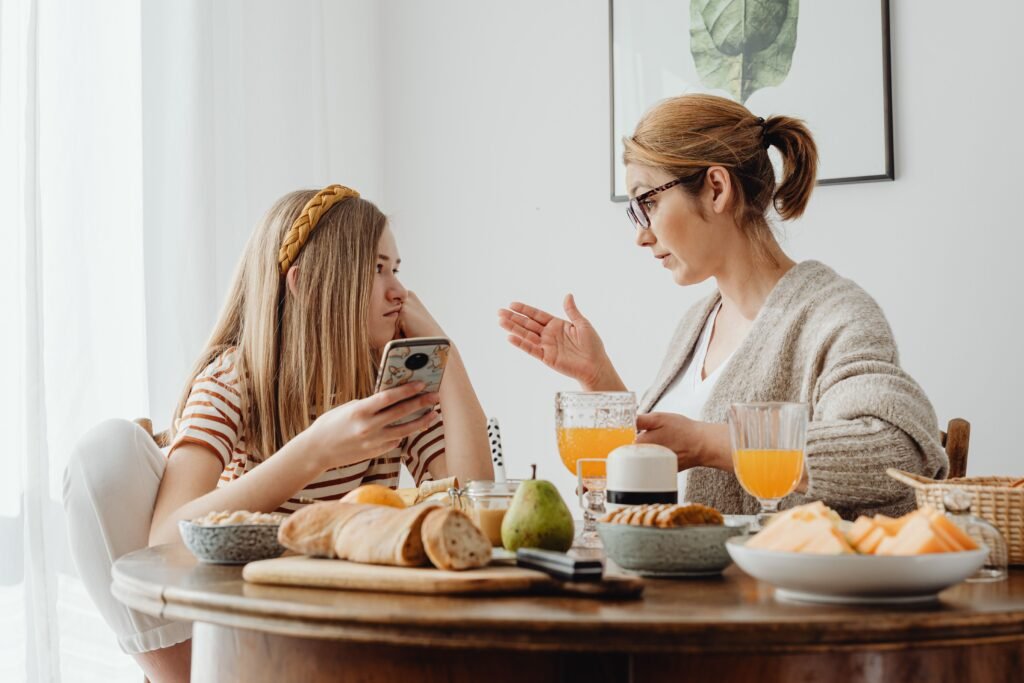
Then there is another question that genuinely concerns me. Why are we seeing so many more children being diagnosed with ADHD, ODD, Conduct Disorder, anxiety, and depression than we did twenty years ago? Part of the answer is undoubtedly greater awareness. Many children who were once simply labelled “difficult” are finally receiving the understanding and help they always needed. But I don’t believe awareness alone explains everything. As a counsellor, I don’t have all the answers.
What I do know is that compassion cannot flow only in one direction. Children deserve empathy, support, and understanding. But parents deserve empathy too. If we continue choosing one over the other, we will only create more hurt. Healing begins when both generations feel seen, heard, respected, and understood.
Perhaps that is the conversation we need to have more often. Not to decide who is right or wrong, but to understand what has changed, why it has changed, and how we can move forward together.

By Vedaprana Purkayastha
The Founder of The She Saga Foundation, Vedaprana, is a Social Entrepreneur and a Psychological Counselor. She writes on topics that touch her heart and stir her soul. She can be contacted at vedaprana.p@gmail.com




Very authentically addressed piece! I’m sure many of us can take a leaf out of this article…