





In recent times, we have repeatedly heard heartbreaking stories of partners being attacked or killed, relationships turning violent, and families being left devastated.
Each such incident makes us ask: Why is this happening? And as parents, perhaps we need to ask ourselves an uncomfortable question too: How much can we really control?
Can we control whom our children will love, whom they will befriend, where they will go, or how they will respond when they face heartbreak, rejection, jealousy, anger or conflict?
We cannot. But we can teach them how to navigate these things. We are living in a rapidly changing society. Our children have more freedom, independence, social exposure and access to information than previous generations. Boys and girls are increasingly making their own choices about education, careers, friendships, relationships and lifestyles.That change is inevitable. What must change is the way we prepare our children for adulthood.
Parenting cannot simply be about saying, “Don’t do this” or “Don’t go there.” Children need to understand why certain choices can be harmful, how to recognize unhealthy situations, how to make informed decisions and how to take responsibility for their own behavior.
They need to understand the difference between freedom and recklessness, independence and irresponsibility, love and possessiveness, friendship and unhealthy influence. They need honest conversations about peer pressure, alcohol and other substances, unsafe environments and the consequences of impulsive decisions.
This is not about judging how young people choose to live. It is about teaching them awareness, critical thinking and judgment.And while teaching our children to protect themselves, we must be careful not to turn self-protection into victim-blaming.
A girl wearing a particular outfit, going to a party, having male friends, drinking, returning home late or using a dating app does not give anyone the right to harass, assault, threaten or hurt her. Teaching someone how to stay safe is not the same as making them responsible for another person’s violence. Safety should never become an excuse for blaming the person who was harmed.This is why our conversations with boys matter just as much.
We have traditionally asked our daughters:
Where are you going?
Who will be there?
What will you wear?
When will you come home?
Are you sure you can trust him?
These questions may come from love and concern. But they cannot be the whole conversation.
We also need to ask our sons:
Do you understand consent?
Can you accept rejection?
Can you control your anger?
Do you respect boundaries?
Can you walk away when a relationship ends?
Can you make the people around you feel safe?
A boy should learn that love is not ownership, jealousy is not proof of love, rejection is not humiliation, and anger is not an excuse for violence. Strength is not controlling another person but controlling yourself. And these lessons are not only for boys. Girls too need emotional strength, healthy boundaries, responsible decision-making and the confidence to recognize unhealthy behavior, leave unsafe situations and ask for help.
Relationships are complicated. Love can bring happiness, but it can also bring insecurity, jealousy, rejection and heartbreak. We teach children mathematics, science and languages. We prepare them for careers and financial independence.
But do we teach them how to handle a broken heart?
How to accept a “no”?
How to walk away from someone they love?
How to deal with anger or humiliation without allowing it to control their actions?
How to ask for help when they feel overwhelmed?
These are life skills too. And today’s children face challenges that previous generations did not encounter in quite the same way. Social media, dating apps, private photographs, location sharing, online friendships, cyber stalking and digital harassment have made privacy, consent and digital responsibility essential parts of growing up.
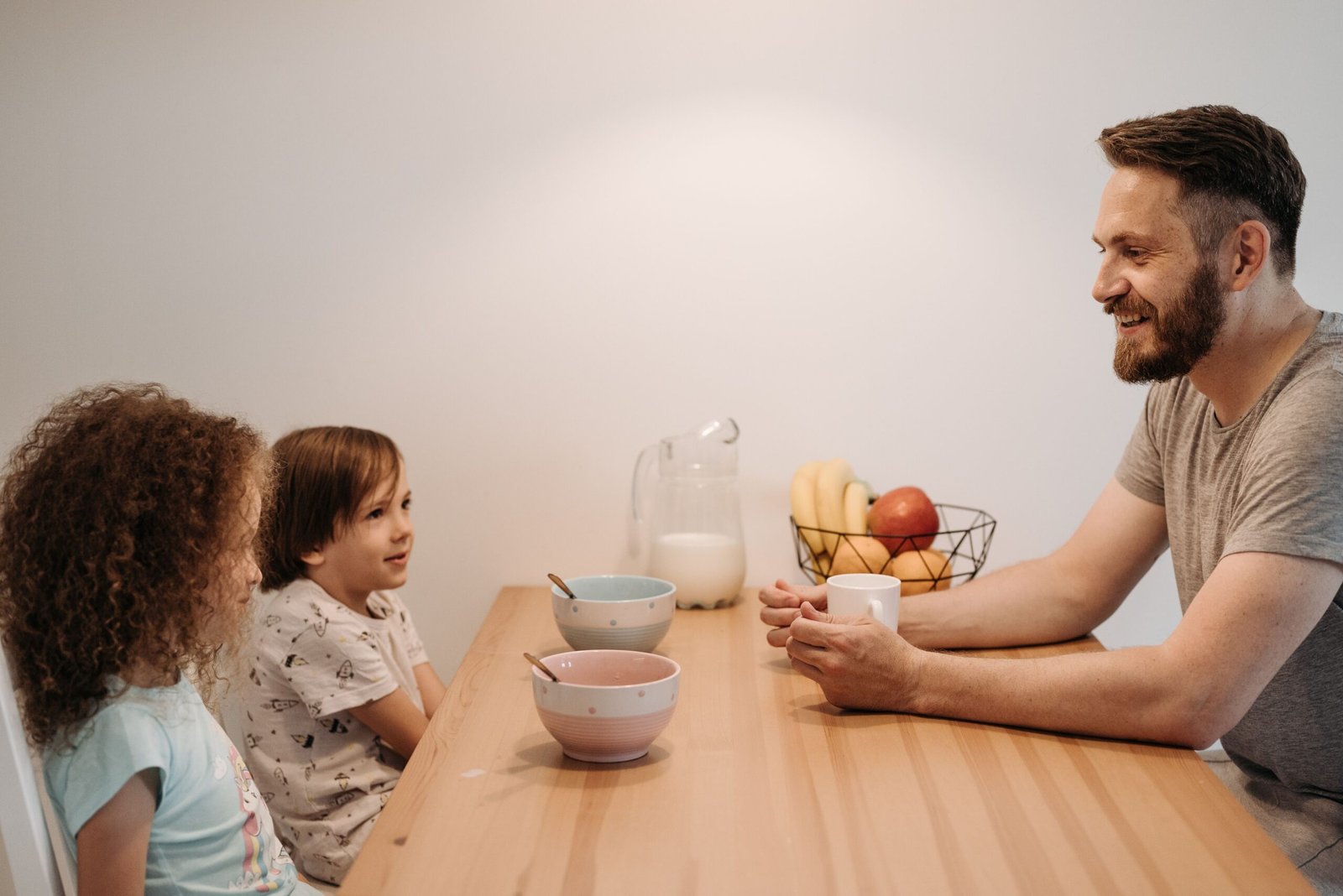
But perhaps the most important thing we can give our children is a home where difficult conversations are possible. If a child believes that every mistake will be met with anger, shame or punishment, they may hide the problem. They may turn to friends or strangers when what they really need is guidance from someone they trust.
Parents cannot be present in every relationship or every difficult moment. Society cannot monitor every individual. That is why the answer cannot simply be ‘more restriction’ but raising strong and independent children who can recognize unhealthy behavior, respect boundaries, manage difficult emotions, make responsible choices and seek help when they need it.
We can give our daughters freedom without teaching them fear.
We can give our sons freedom while teaching them responsibility.
We can teach both that their freedom ends where another person’s dignity, consent and boundaries begin.
Equality is not only about giving boys and girls the same freedoms. It is also about holding both to the same standards of respect, responsibility and accountability.
So let us start at home.
Talk about consent before they need it. Talk about rejection before heartbreak teaches them. Talk about anger before it becomes destructive. Talk about healthy and unhealthy relationships before they find themselves in one. Talk about peer pressure, alcohol and online behavior before they encounter them.
And when our children come to us with a mistake or something difficult, let the first response be a conversation, not condemnation. The goal of parenting is not to create a world where our children never face danger, heartbreak or failure. We cannot create that world.Our responsibility is to give them the tools to navigate it.
So before we ask, “Where did the parents go wrong?” or “Why didn’t society stop this?” perhaps we should ask something more useful:
Have we taught our children how to handle freedom, rejection, anger, relationships, boundaries and responsibility when we are not there to guide them?
One day, our children will step out of our homes and make decisions without us standing beside them.
We cannot control everything they will face.
But we can influence the kind of human beings they become.
And perhaps that is the real responsibility of parenting.
Not to raise children who simply follow rules.
But to raise human beings who understand why those rules matter, respect the dignity of others, take responsibility for their choices, know when to walk away, know when to ask for help, and have the wisdom, empathy, courage and self-control to navigate the world they inherit.

By Upasana Changkakoti
Upasana Changkakoti – A small scale business woman by day, a counselor & addiction advocate by passion. TSS is my love child and the reason for my confidence and growth.









A very apt article on parenting in today’s times. It is true indeed that children are exposed to much more than their parents during their childhood and hence the way we raise our kids needs to reflect the changing times. True, we cannot always be with them but can strive to make them responsible human beings.
This is so important. Gender equality should start with parenting. Like we are taught… charity begins at home. Sometimes I feel this should be a part of curriculum too.
Very beautifully put together, parents too need lessons on parenting
Equality begins at home.
Parents must learn to guide, not control. They should be their children’s friends, mentors, and well-wishers. Because parenting is also a journey of learning and growing
Wonderful write up…Very thoughtful and relevant article on parenting in today’s changing world. What I liked most is that it goes beyond the idea of simply putting restrictions on children and reminds us that our real responsibility is to prepare them for life.
The emphasis on teaching children about consent, boundaries, emotional control, rejection, accountability and responsible decision-making is especially important. I also appreciate how the article highlights that these conversations are equally important for both boys and girls, without falling into victim-blaming.
The reminder that children should feel comfortable coming to their parents with their mistakes and problems really stood out to me. We may not always be able to protect our children from every difficult situation, but we can give them the values, confidence and judgement to handle those situations wisely.
A very meaningful read for every parent. It makes you pause and reflect—not on how much we can control our children, but on how well we are preparing them for a world where we cannot always be beside them.