




Happy Women’s Day! (… Is It?)
Theme for 2026 When I sat down to write this piece, out of plain curiosity, I googled the theme for this year’s Women’s Day. It

Theme for 2026 When I sat down to write this piece, out of plain curiosity, I googled the theme for this year’s Women’s Day. It

Somewhere between Saathiya, Dil Chahta Hai and Band Baaja Baarat, I realised old Hindi films felt warmer because faces actually moved and emoted. Imperfections made heartbreak believable and joy infectious. Today’s uniform, over-perfected aesthetic may look flawless, but when faces stop telling stories, cinema quietly loses its soul.

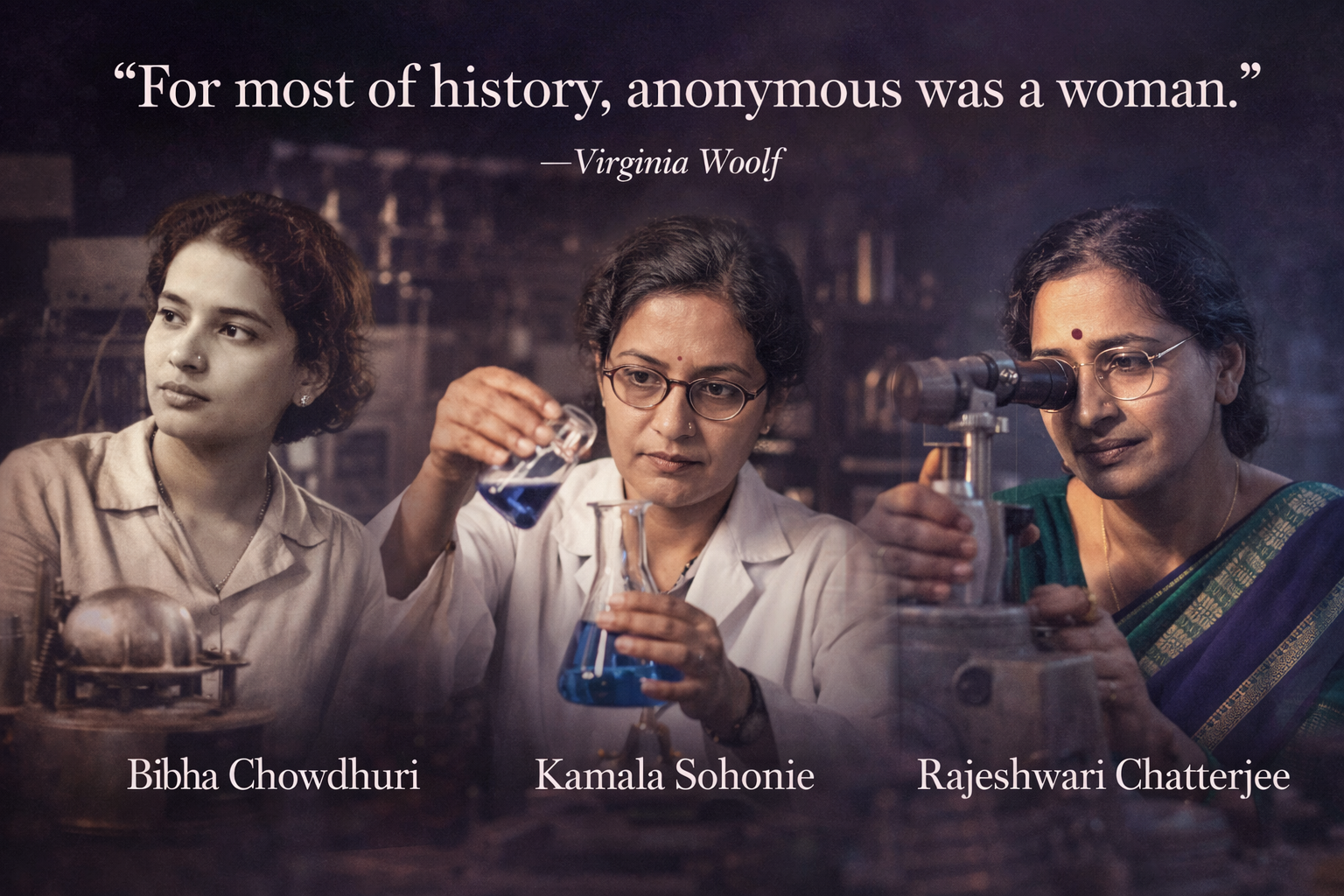
Echoing Virginia Woolf’s words, the article revisits the erased legacies of Indian scientists Bibha Chowdhuri, Kamala Sohonie, and Rajeshwari Chatterjee. Despite pioneering contributions to physics, biochemistry, and engineering, they faced systemic gender bias and invisibility. Recovering their HERstories challenges patriarchal narratives and restores women to India’s scientific history.

Three friends escape routine through an impromptu blouse-shopping adventure that turns into laughter, style lessons and café conversations. Beneath the humour lies a gentle reminder: women deserve unplanned joy. Owning downtime isn’t indulgent, it’s restorative. Step out, breathe, reconnect, and reclaim yourself—because small pauses can refill even the most exhausted heart.

On the eve of her child marriage, young Pakhi shares a tender kitchen moment with her widowed grandmother. Amid societal cruelty, love, longing, and survival lessons unfold through cooking. A forbidden fish head added to vegetables becomes an act of rebellion, awakening suppressed desires and silent tears.

A personal reflection on everyday misogyny, consent, and misplaced progressiveness—revisiting a conversation that revealed how deeply patriarchy survives beneath the mask of modern thinking.

A powerful reflection on married women reclaiming strength, identity, and sisterhood—where the gym becomes a sanctuary for healing, confidence, and choosing oneself without guilt.

A counselor reflects on her own struggles while answering a friend’s mental-wellness prompt. She shares 10 practical, universal tips she’d give a client—accepting unpredictability, choosing possible over perfect, scheduling emotions, building routines, avoiding comparison, and honoring individual paths. A humane reminder that even psychologists wobble, but still rise.

The article challenges the outdated belief that women undermine one another, highlighting instead everyday examples of loyalty, empathy, and solidarity—from sports icons uplifting peers to beauty contestants walking out in protest. Across friendships, families, and digital spaces, women are choosing collaboration over competition, redefining sisterhood as strength, support, and shared empowerment.

Through a teacher’s lens, Three Idiots glamorizes rebellion, mocks educators, and glorifies suicide while unfairly blaming parents and teachers. Rancho, hailed as a hero, is portrayed as toxic and manipulative, misleading friends and ridiculing authority. The movie’s influence on students raises concerns about discipline, respect, and the dangers of misplaced hero worship.