#customs
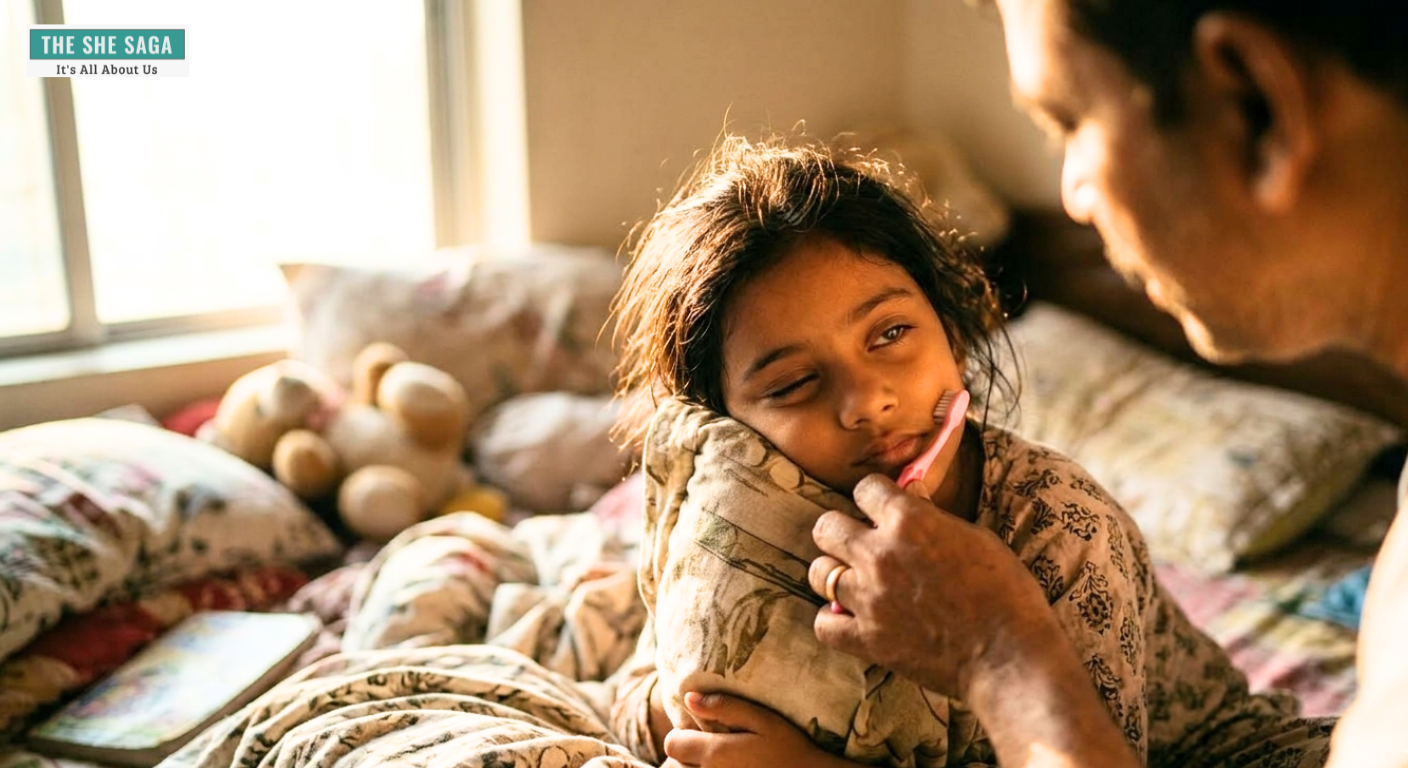
The Morning Show
A slice-of-life vignette that observes the gentle flow of a weekday morning, revealing the unnoticed details that make up everyday domestic life.






A slice-of-life vignette that observes the gentle flow of a weekday morning, revealing the unnoticed details that make up everyday domestic life.
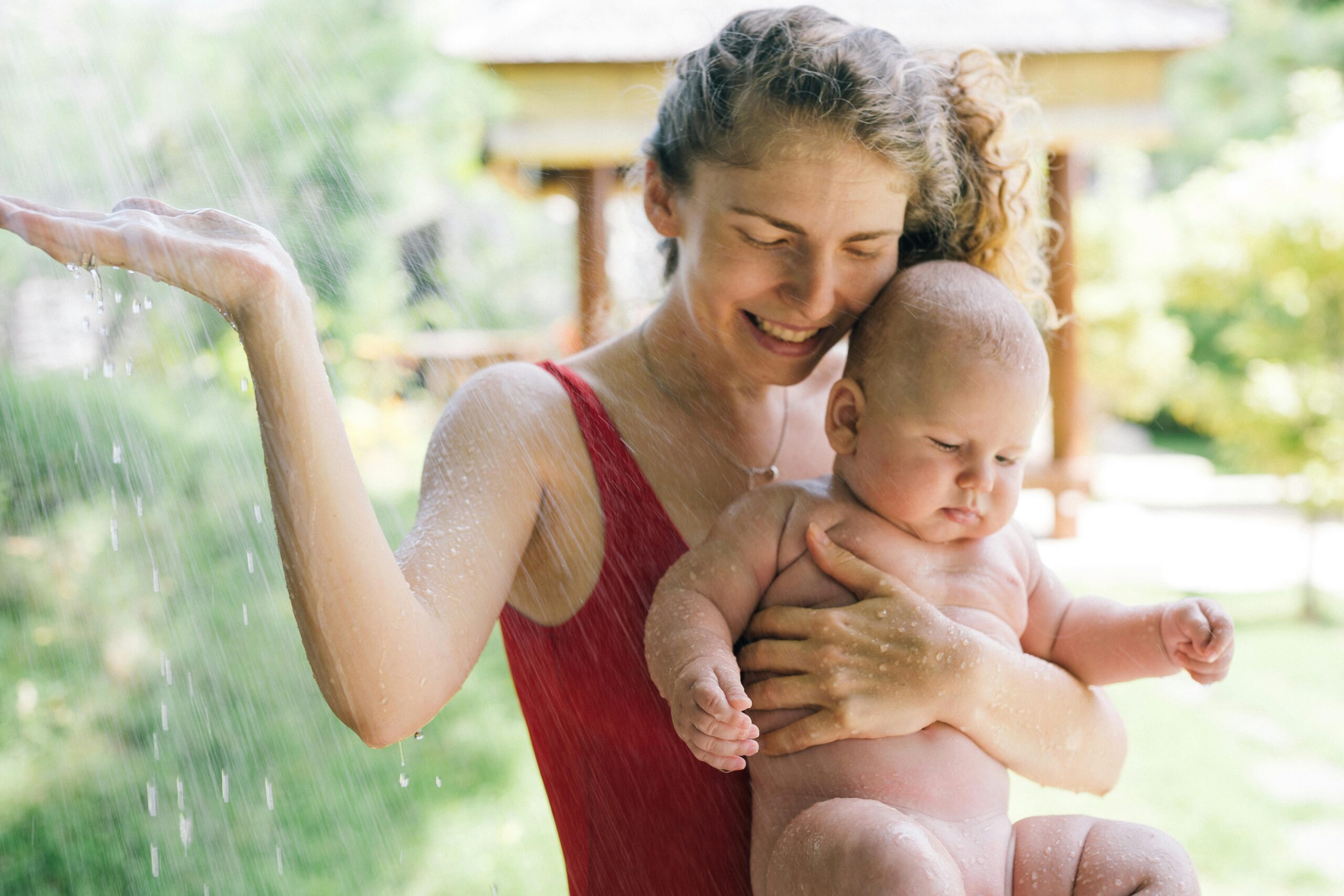
A mother resumes work, pursues higher studies, supports her child’s unconventional academic choices and outsources cooking, only to be judged at every step. Society turns motherhood into a relentless guilt trip. But every mother knows her child best. A happy, fulfilled mother raises a happier child, guilt doesn’t define good parenting.
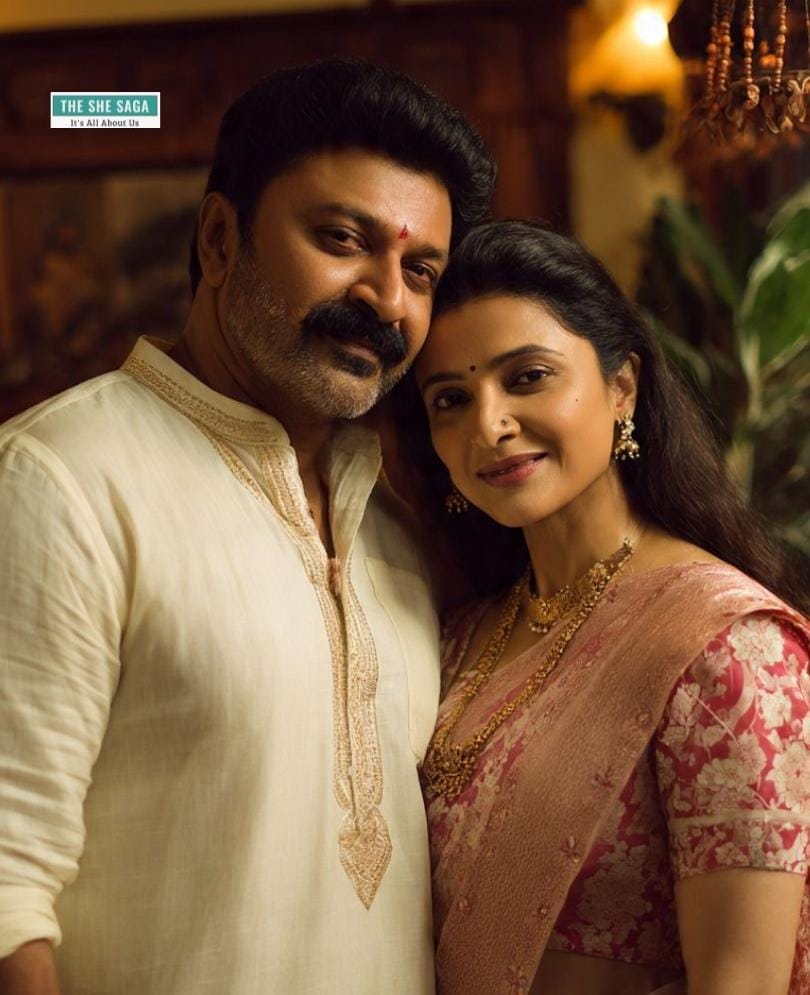
A personal reflection on everyday misogyny, consent, and misplaced progressiveness—revisiting a conversation that revealed how deeply patriarchy survives beneath the mask of modern thinking.
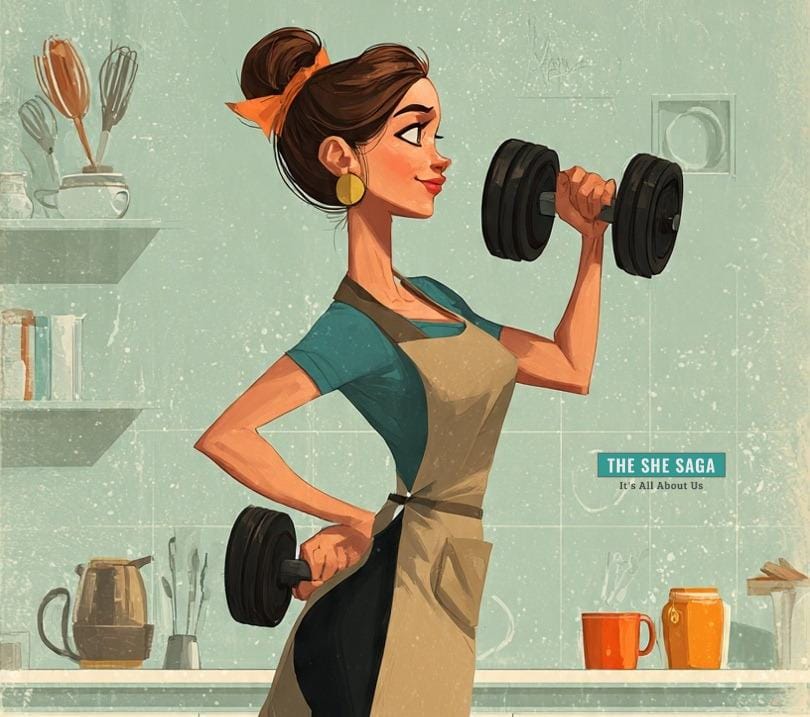
A powerful reflection on married women reclaiming strength, identity, and sisterhood—where the gym becomes a sanctuary for healing, confidence, and choosing oneself without guilt.
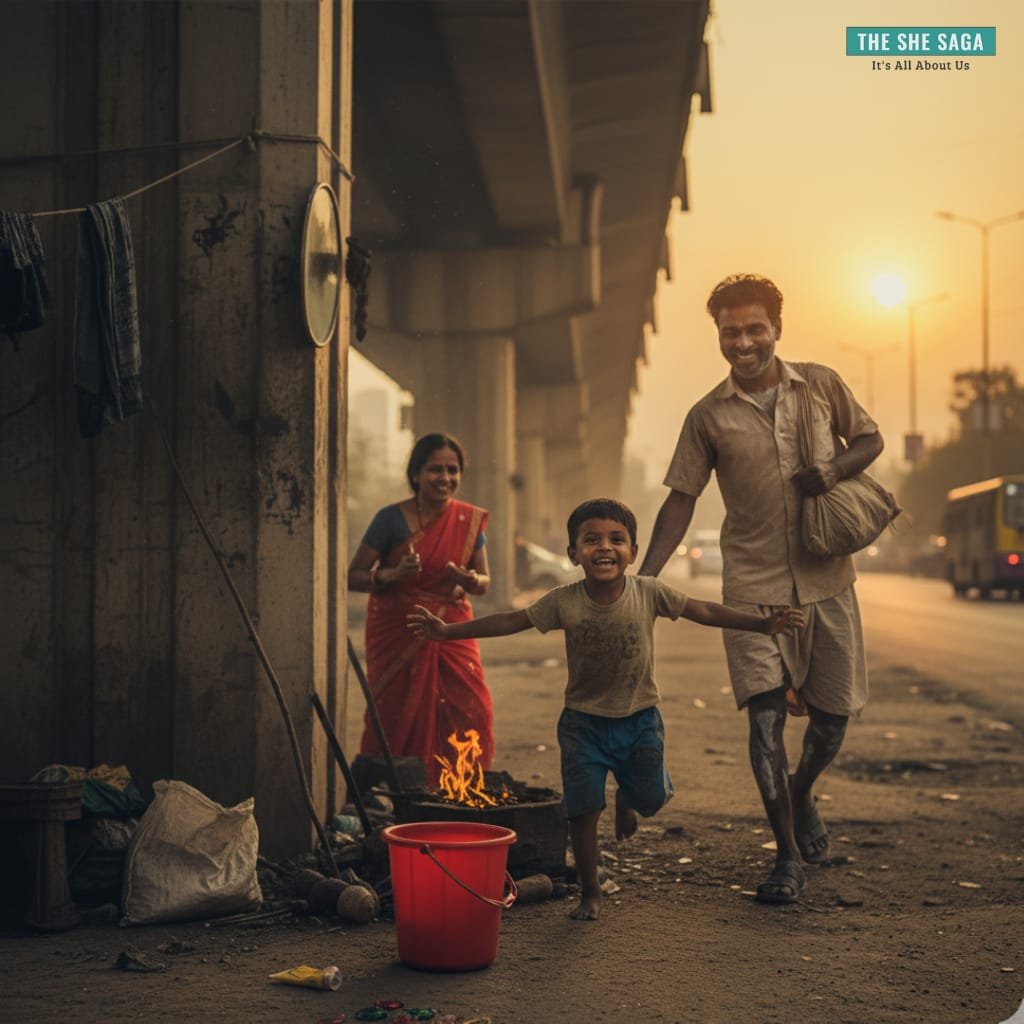
Beneath the roar of Mumbai’s traffic, under the shadow of a flyover, a woman stitches her life together with kohl, cream, and small acts of love. In the dust and diesel, she finds her own stubborn patch of sunrise.

Art shapes life, but unchecked influences—like films glorifying bullying or “coolness”—can harm children. Mindful parenting is key: guiding kids toward empathy, integrity, and self-worth rather than shallow popularity. True strength lies in authenticity, not domination. As Rufus Wainwright says, “Being uncool is the coolest you can be.

A mother’s nostalgic love for monsoons fades under the weight of trauma from Mumbai’s 2005 deluge. Once a carefree rain lover, she now feels anxiety, fearing for her family’s safety. Through vivid memories and maternal instincts, she reveals how motherhood reshapes joy into protective caution—especially during unpredictable rainy days.

In a lively, all-women household, chaos, camaraderie, and quirks shape daily life. From kitchen confusions to wardrobe woes and weighty woes, the women juggle it all with humor and resilience. They may stumble, rant, and obsess—but they also thrive, bond, and believe fiercely in their place in the universe
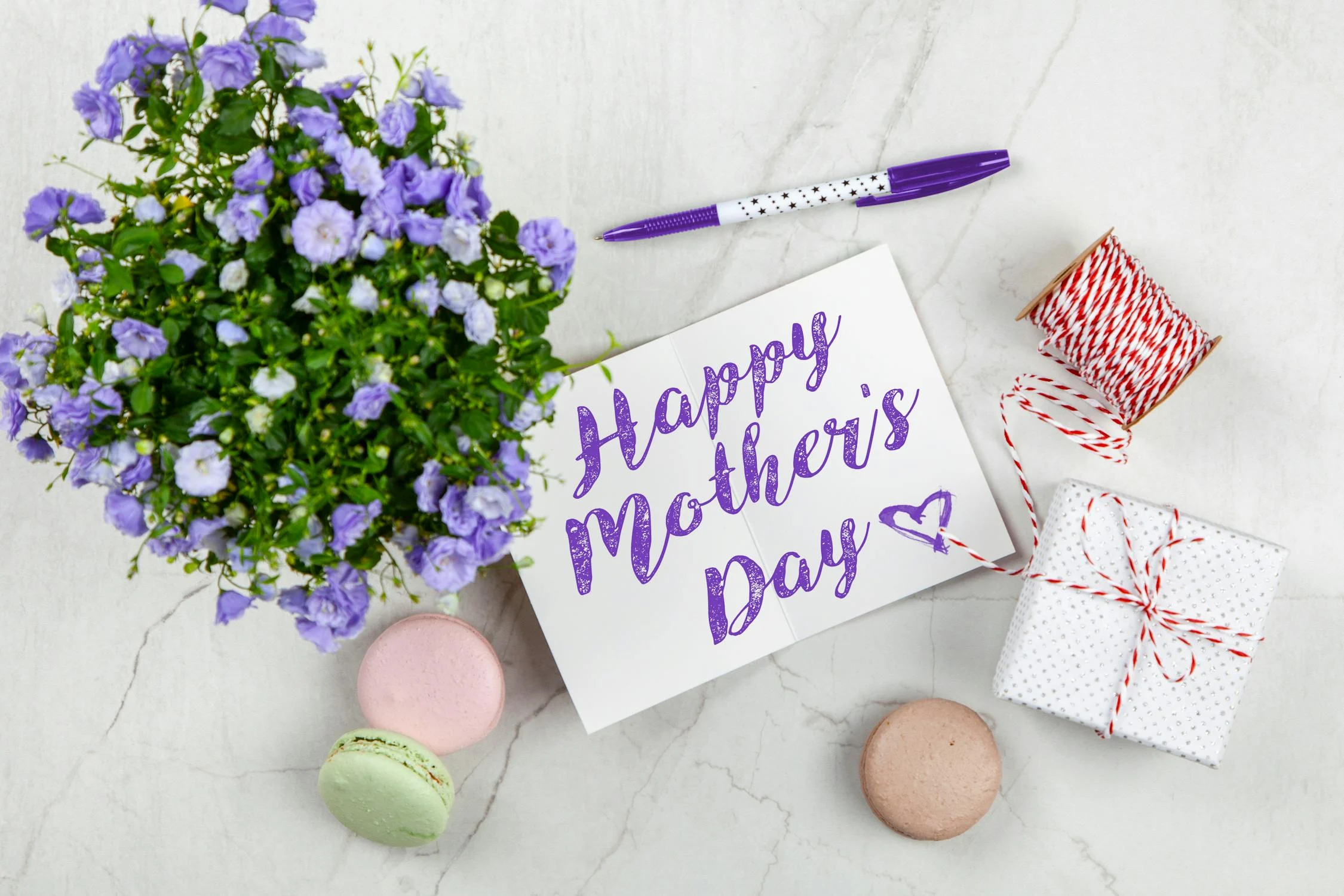
From celebrating Mother’s Day to reflecting on the strength of our motherland, this article delves into the many dimensions of motherhood — both personal and national. It highlights the quiet sacrifices of a mother, the nurturing presence of mother-like figures, and the united spirit of India in the face of adversity. Weaving together heartfelt memories and recent national events like Operation Sindoor, the piece invites readers to honour the values of care, resilience, and responsibility that define both a mother and the motherland.
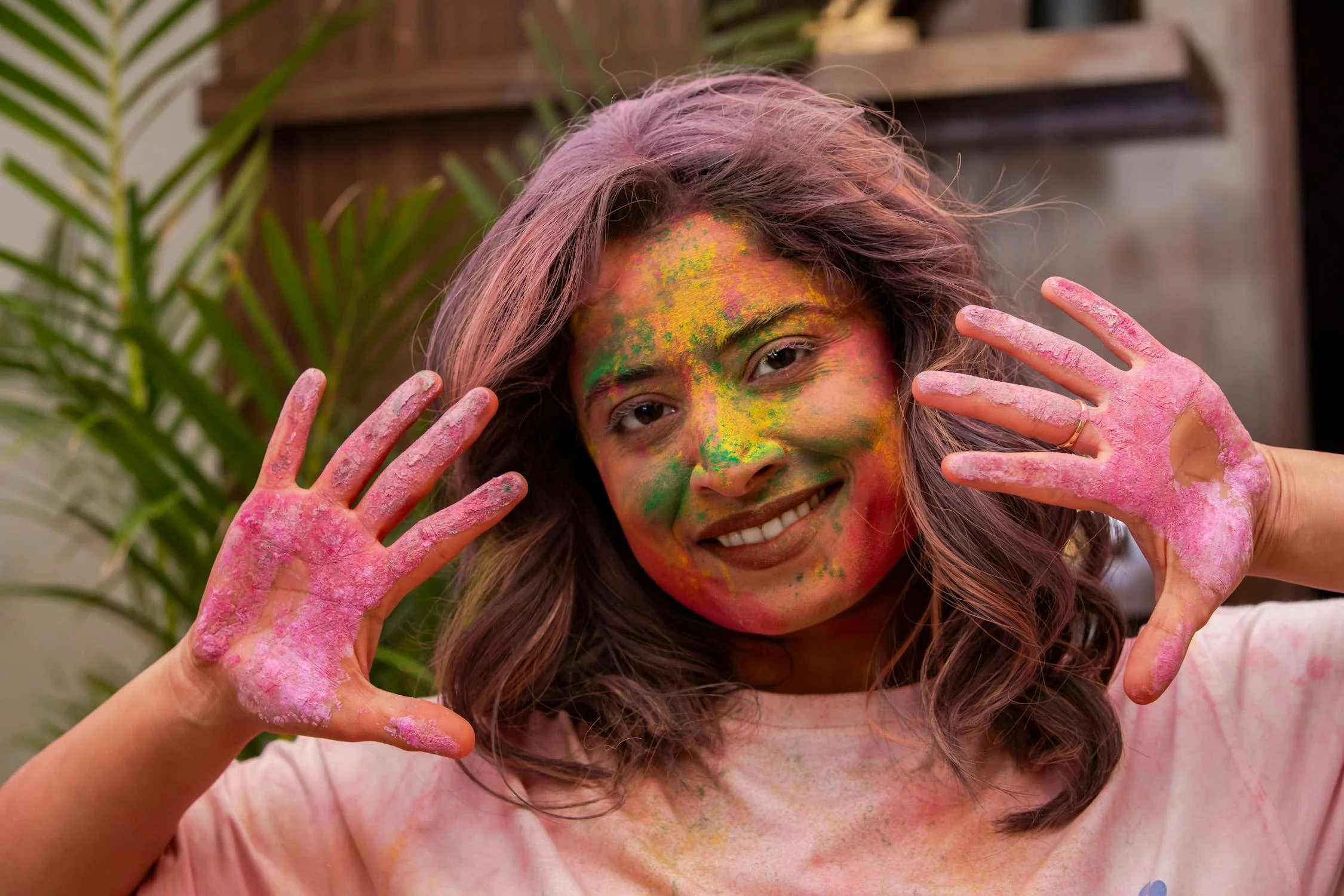
A childhood Holi celebration leaves a girl with lifelong bronchial asthma, turning her hatred for the festival into an unshakable belief. Years later, her daughter defies her stance, embracing Holi with joy. Their confrontation forces the mother to reflect, ultimately realizing she must let go and allow her daughter to live freely.