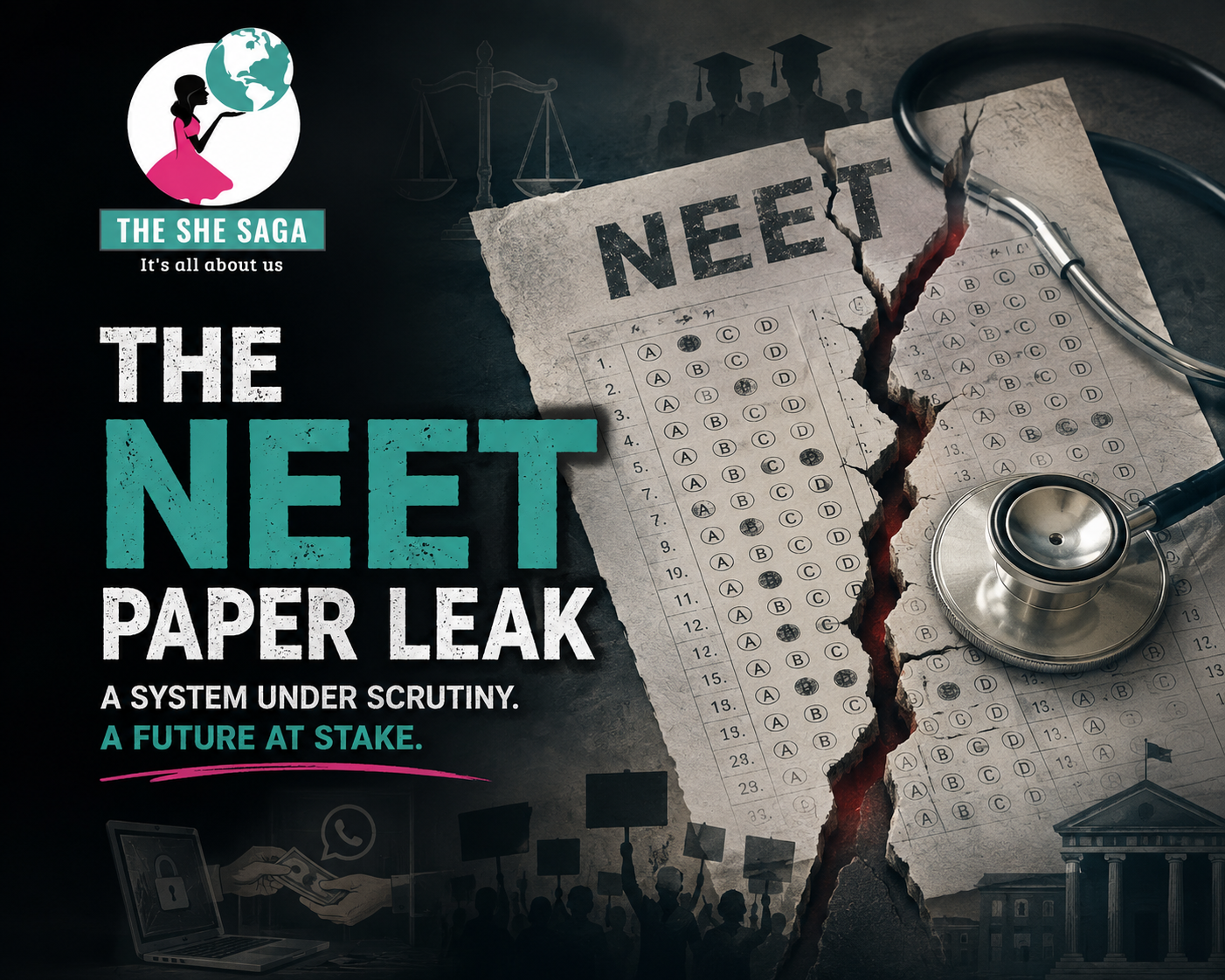






The NEET Paper Leak: What’s Next ?
From exam security and student stress to accountability and policy reform, this article analyses the NEET 2026 paper leak and what it means for the future of medical admissions in India.

From exam security and student stress to accountability and policy reform, this article analyses the NEET 2026 paper leak and what it means for the future of medical admissions in India.

Actor Shahana Goswami’s remarks on consensual open relationships spark a thoughtful reflection on modern love, commitment and intimacy. As relationship norms evolve, this article explores whether love expands through multiple romantic connections or deepens through commitment, questioning how trust, emotional presence and meaningful relationships are sustained in today’s world.

I have always been fond of reading. I have been reading ever since I can remember, probably from the age of 5 or 6. By

A daughter reflects on her deeply intertwined life with her mother, her strength, sacrifices, evolving beliefs, and unwavering support through illness, divorce, and loss. From caregiver to dependent and back again, their bond remains unbroken, an enduring source of healing, resilience, and love that sustains them through life’s hardest storms.

India’s LGBTQ journey has evolved from criminalisation under Section 377 to partial legal acceptance after the 2018 decriminalisation. Yet, gaps remain, no marriage rights, limited protections, and the 2026 amendment imposing medical validation. Social stigma persists, highlighting an ongoing struggle for equality, dignity, and true freedom of identity.

A critical reflection questions the promise of inclusive schooling in India, examining the gap between policy and classroom reality while urging parents and institutions to rethink what true inclusion actually demands.

A sociological look at denim, exploring how one fabric travelled through different historical moments and social contexts to become a familiar part of wardrobes across the world.

The author reflects on witnessing devout religiosity coexist with bigotry, arrogance, and moral policing. While not rejecting faith itself, she questions performative piety that breeds superiority and exclusion. Ultimately, she values compassion, courage, and meaningful human impact over ritualistic devotion and hollow claims of spiritual purity.

Mishti revisits her childhood home, where shifting spaces awaken layered memories — of innocence, laughter, and something unspoken that changed everything. As past and present collide, she confronts the weight she once carried alone. With her sister beside her, she finds steadiness, reclaiming power, healing, and a quieter, stronger self.

On the eve of her child marriage, young Pakhi shares a tender kitchen moment with her widowed grandmother. Amid societal cruelty, love, longing, and survival lessons unfold through cooking. A forbidden fish head added to vegetables becomes an act of rebellion, awakening suppressed desires and silent tears.