




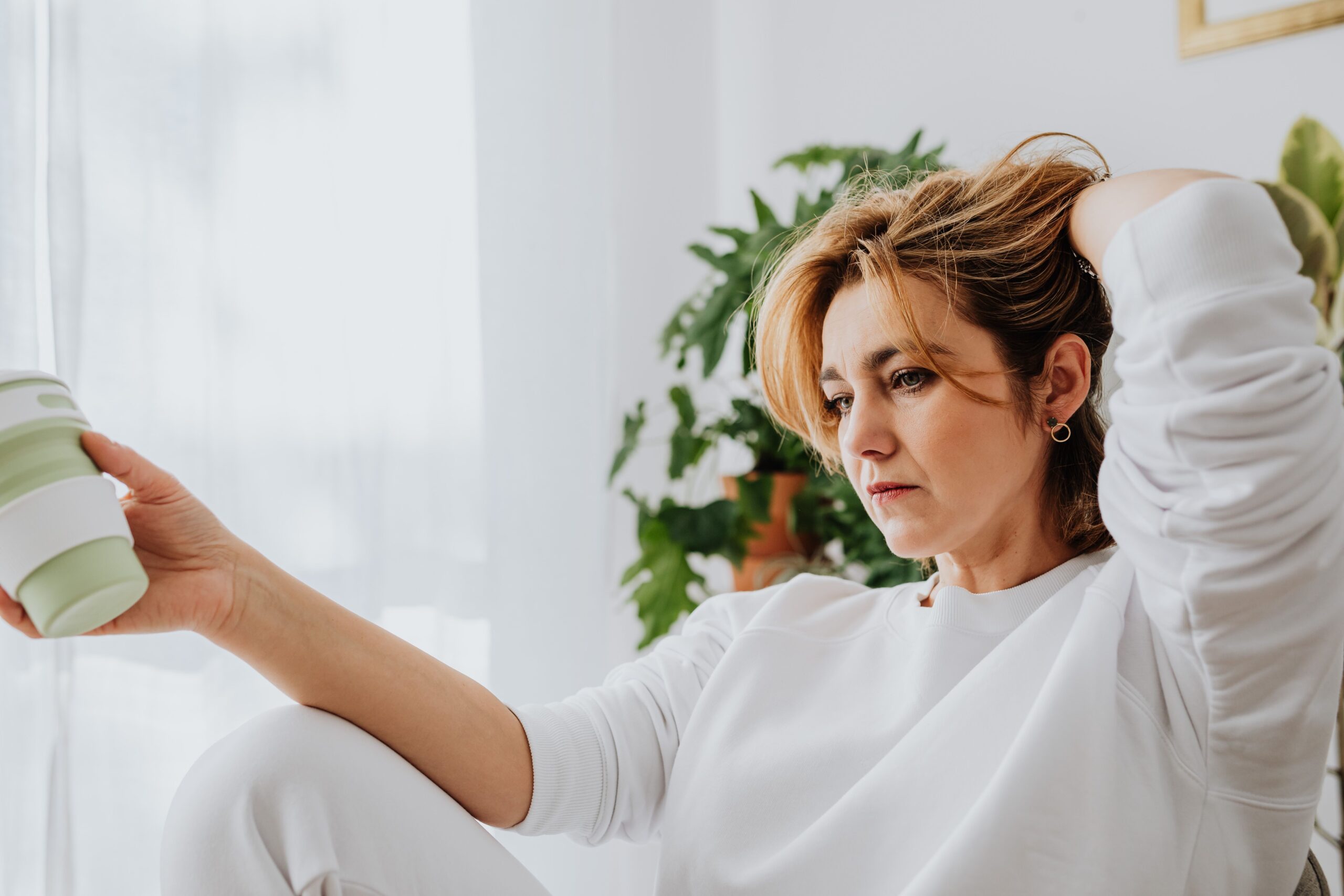

There comes a season in every woman’s life that has no ceremony.
There are no birthday candles to mark it. No rituals to welcome it. No conversations that prepare her for its arrival. It simply slips in softly, almost apologetically, like autumn entering a garden still convinced it is summer.
One morning she wakes before dawn, her pillow damp with sweat. Another day she snaps at her child over something trivial and spends the afternoon wondering why she feels like a stranger to herself. Weeks later, her menstrual cycle, once as predictable as the calendar on her kitchen wall, begins writing its own rules.
She blames work, stress, motherhood and age.
Rarely does anyone whisper the word that explains so much –
Perimenopause
It is the long prelude before menopause, the years during which the ovaries begin to loosen their steady rhythm, and hormones that once moved with quiet precision start dancing to an unpredictable tune.
Unlike menopause, which arrives with a date remembered only in hindsight, perimenopause is a slow unfolding. It can begin in the late thirties or forties and linger for years, rewriting a woman’s relationship with her body in ways both subtle and startling.
Yet, for something so universal, it remains remarkably invisible.
Many women spend years searching for answers, consulting doctors for insomnia, anxiety, headaches, palpitations, or unexplained fatigue, never realising that these seemingly unrelated symptoms are chapters of the same story.
The body, after all, rarely shouts before it has tried whispering. The first whispers often come with the menstrual cycle.
A period that once arrived faithfully every twenty-eight days begins arriving early, or not at all. Some months it is scarcely more than a stain. Other months it feels like a storm, bringing heavy bleeding and clots that leave exhaustion in their wake.
The calendar loses its authority. And with it, a woman’s confidence in knowing what tomorrow might bring.
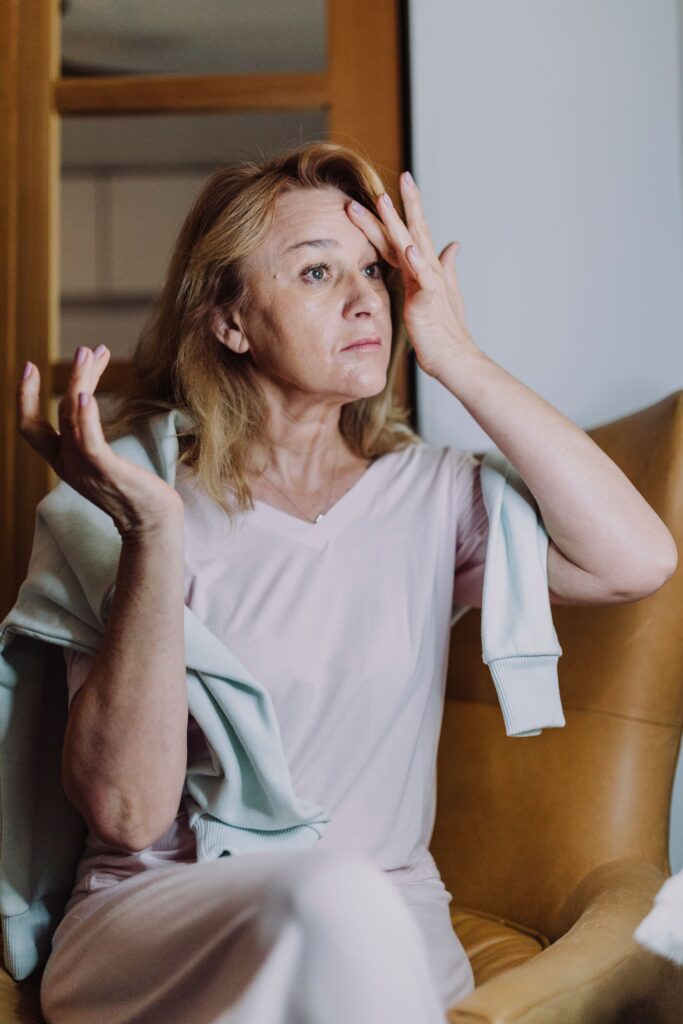
Then come the heat waves that rise from nowhere.
Not the warmth of a summer afternoon, but an invisible fire that blooms beneath the skin, racing across the face, neck, and chest. Within moments, sweat gathers at the temples, clothes cling to the body, and the heart seems to beat louder than usual.
A few minutes later, everything is quiet again. Except the bewilderment. Night offers little refuge.
Sleep, once taken for granted, becomes elusive. Some women lie awake for hours; others wake faithfully at three in the morning, their minds alert while the world outside remains wrapped in silence. Morning arrives carrying neither rest nor renewal, only another day to survive on borrowed energy.
Fatigue settles into everyday life so gradually that it begins to feel ordinary.
Then there are the emotions. Not sadness exactly. Not anger alone.
Simply… unfamiliarity.
A woman who has spent decades knowing herself suddenly finds herself crying at television advertisements, losing patience in supermarket queues, or feeling anxious for reasons she cannot explain.
She wonders if she has become less resilient.
The truth is gentler than that.
Estrogen has long been one of the quiet architects of emotional balance, influencing the delicate chemistry of the brain. As its levels fluctuate, so too can mood, resilience, and the ability to weather ordinary stresses.
Perhaps the most frightening symptom is one no one can see.
Brain fog.
Words disappear halfway through sentences. Keys vanish into impossible places. Familiar names hover just beyond memory. A woman walks into a room only to forget why she entered it. For someone accustomed to juggling careers, households, ageing parents, and growing children, these lapses can feel deeply unsettling.
Many fear dementia. Most are simply experiencing the temporary effects of fluctuating hormones. The body changes in other ways too. The waistline thickens despite unchanged eating habits. Muscles seem less willing to stay. Skin grows drier, hair loses some of its fullness, and the mirror begins reflecting changes that creams alone cannot erase.
Intimacy may change as well.
Declining estrogen leaves the vaginal tissues thinner and less lubricated. What was once effortless may become uncomfortable, even painful. Many women suffer silently, convinced this is simply the price of growing older.
It is not. These symptoms are common. More importantly, they are treatable. Even the bladder joins the conversation.
Frequent urges to urinate, recurrent infections, or leakage during a laugh or sneeze often appear without warning. Aching joints greet the morning. Headaches change their pattern. The heart occasionally flutters, reminding its owner that hormones influence far more than reproduction.
Perimenopause is not merely about the end of fertility.
It is a full-body transition. Yet perhaps its greatest challenge is not the biology but the loneliness.
For generations, women have carried these experiences quietly, convinced they were simply failing to cope. They are not failing. Their bodies are adapting.
Like spring, puberty announced itself with dramatic certainty. Perimenopause, by contrast, is autumn, beautiful, complex, and often misunderstood. It asks not for fear, but for attention.
There is good news.
Exercise, particularly strength training, nourishes muscles and bones. Nutritious food rich in protein and calcium supports changing physiology. Good sleep habits, stress management, and regular health check-ups can make a remarkable difference. For women whose symptoms become overwhelming, modern medicine offers safe and effective treatments, from menopausal hormone therapy to non-hormonal medications and local vaginal estrogen, tailored to individual needs after medical evaluation.
The most important treatment, however, may be recognition.
To know that the sleepless nights, the forgotten words, the unexplained tears, the sudden heat, and the changing body are not random failures but connected threads of a natural transition.
A woman deserves that understanding. Because perimenopause is not the beginning of decline. It is the beginning of another chapter. A chapter that asks her to know her body again. To care for it differently. To extend to herself the same kindness she has so often offered everyone else.
Perhaps that is what this season truly teaches, that change is not always an ending. Sometimes it is simply the body asking to be heard in a new language. And once we learn to listen, its whispers no longer sound frightening.
They sound like wisdom.
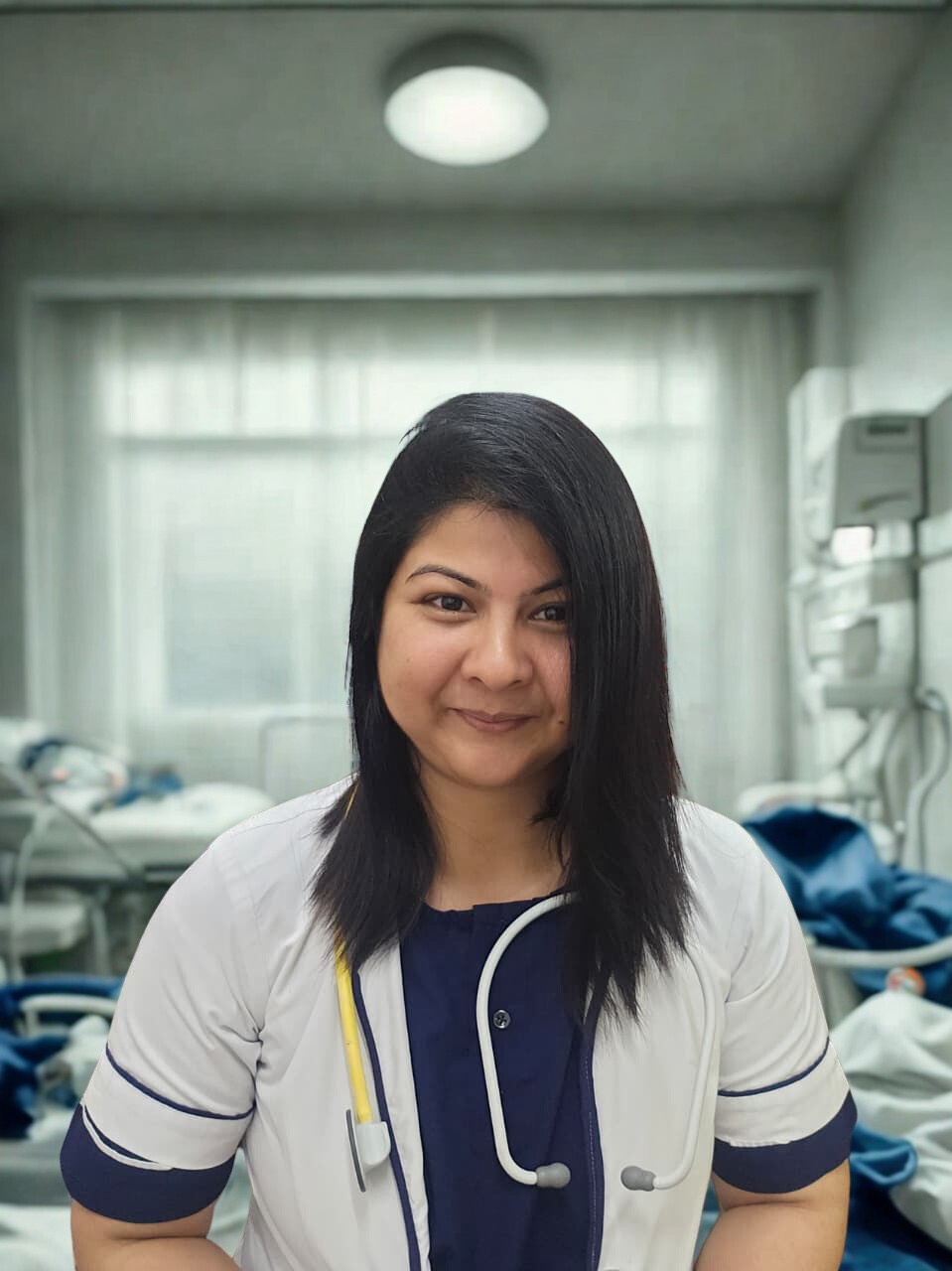
By Dr Nirza Saikia
Dr. Nirza Saikia is a medical professional, writer, and researcher with interests in women’s health, medical ethics, public policy, and the intersection of technology and society. Her work explores how systems—from healthcare to artificial intelligence—shape lived experiences, particularly for women and marginalised communities She can be reached at nirzasaikia@gmail.com.









Nice read Nirza
Thanks dear
What a wholesome and warm reminder to every woman to accept her transition with authenticity and awareness!
We all are perfect in our imperfections