




Medicine claims to be universal.
Textbooks, trials, and treatment protocols are written as if one body can stand for all bodies. But buried in the foundations of modern healthcare is a quieter truth: for most of its history, medicine has studied men. Women’s bodies have remained understudied, misunderstood, and often invisible.
That invisibility has consequences. It changes how diseases are diagnosed, how drugs are dosed, and how seriously pain is taken.
The Gender Data Gap
The problem starts with what researchers call the gender data gap.
For much of the twentieth century, women were routinely excluded from clinical trials. Hormonal cycles were deemed “too variable.” Pregnancy raised ethical concerns. The result: the male body became medicine’s default.
Findings from men were generalised to women.
The logic seemed harmless: if it works in men, it should work in women.
Biology disagrees.
Women differ in anatomy, hormone regulation, metabolism, immune response, and cardiovascular function. Those differences shape how illness appears and how treatments behave. Yet for decades, male physiology was the norm. Female physiology was the footnote.
A Different Kind of Inclusion: The Exploitation of Black Women
The story of women’s exclusion from medical research contains a painful paradox.
While most women were routinely excluded from clinical studies throughout much of modern medical history, some women were not excluded at all. Instead, they were included in the most unethical ways imaginable.
In the nineteenth century, enslaved Black women in the United States were frequently used as subjects for medical experimentation without their consent. Their bodies became sites of surgical innovation, not because they were valued as patients, but because they were denied autonomy.
The most well-known example is the work of physician J. Marion Sims, often referred to as the “father of modern gynaecology.” Sims developed surgical techniques for repairing vesicovaginal fistulas through repeated operations on enslaved women, including Anarcha, Lucy, and Betsey. These procedures were performed without meaningful consent and often without anaesthesia.
The justification rested on racist pseudoscientific beliefs that Black women experienced less pain and possessed fundamentally different bodies. Such myths allowed physicians to dismiss suffering while advancing medical knowledge at the expense of vulnerable women.
This history exposes a stark contradiction in medicine. Women were often considered too complex, too hormonal, or too unreliable to include in scientific research. Yet Black women were subjected to experimentation precisely because society denied them the right to refuse.
The issue, therefore, was never simply whether women were included in research. It was who was included, under what circumstances, and whose lives were considered worthy of ethical protection.
Understanding this legacy is essential. The invisibility of women in medicine did not affect all women equally. Race, class, and power shaped who was ignored, who was studied, and who bore the risks of medical progress. Modern conversations about equity in healthcare must acknowledge both histories: the exclusion of women from research and the exploitation of Black women within it.
When a Heart Attack Doesn’t Look Like a Heart Attack
Heart disease kills more women globally than any other condition. Yet medical training still teaches the “classic” male presentation: crushing chest pain radiating down the left arm.
Women often present differently:
• Unusual fatigue
• Shortness of breath
• Nausea
• Jaw or back pain
• Dizziness
Because these symptoms seem less dramatic, women face longer delays and more misdiagnoses.
They’re told it’s anxiety. Indigestion. Stress.
The outcome can be fatal.
Diseases That Get Less Light
Conditions that disproportionately affect women remain underfunded and under-taught.
1. Endometriosis
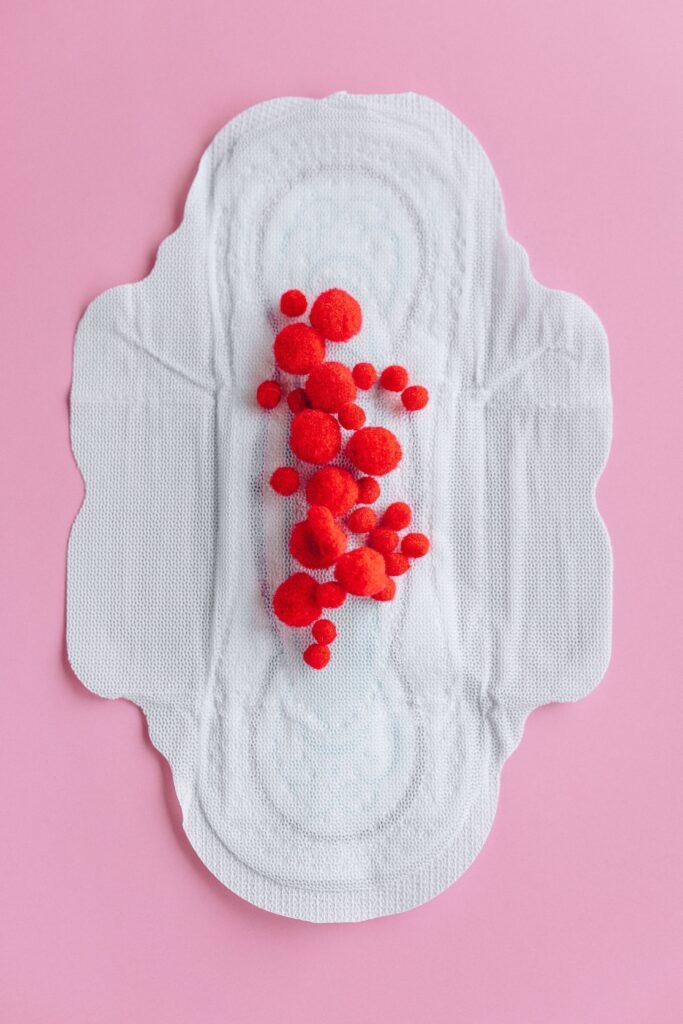
Tissue similar to the uterine lining grows outside the uterus, causing severe pain, inflammation, and infertility. It affects approximately one in ten women. Yet diagnosis often takes seven to ten years. Too many are told painful periods are simply “part of being a woman.”
2. Polyendocrine Metabolic Ovarian Syndrome
One of the most common hormonal disorders affecting women, PMOS influences fertility, metabolism, cardiovascular health, and mental well-being. Many women spend years moving between specialists before receiving a diagnosis.
3. Menopause
Every woman experiences menopause, yet many enter it with little information and limited medical support. Research and clinical guidance continue to lag behind our understanding of its effects on cognition, cardiovascular health, sleep, and quality of life.
We have entire specialties devoted to puberty.
Menopause still often receives little more than a pamphlet.
The Cost of Delay
Delayed diagnosis carries consequences that extend far beyond symptoms.
Women with conditions such as endometriosis, autoimmune disorders, chronic pain syndromes, and hormonal disorders often spend years searching for answers. During that time, disease progresses, symptoms worsen, and opportunities for early intervention are lost.
The impact is not merely medical. Delayed diagnosis can disrupt education, careers, relationships, fertility, and mental health. Many women describe a common experience: repeatedly seeking help, only to be told that their symptoms are stress-related, exaggerated, or simply normal.
The emotional burden of living with unexplained illness can be profound. Being unheard by healthcare systems erodes trust and leaves patients feeling isolated within their own bodies.
The economic costs are equally significant. Repeated consultations, unnecessary investigations, emergency visits, lost productivity, and advanced disease management place a substantial burden on both individuals and healthcare systems.
When medicine fails to recognise women’s symptoms promptly, the cost is measured not only in healthcare expenditure but also in years of quality life lost while patients wait to be believed.
The Pain Gap
Perhaps the starkest inequity is in pain.
Study after study shows that women’s pain is more likely to be dismissed, minimised, or attributed to emotion.
In emergency departments, women often wait longer for pain relief and are more likely to receive sedatives instead of analgesics. Patients with chronic pain frequently hear familiar phrases:
“It’s stress.”
“You’re anxious.”
“You’re overthinking it.”
This is not a new phenomenon. For centuries, medicine framed women as unreliable narrators of their own symptoms. Modern imaging, genetics, and laboratory testing have improved diagnostics, but they have not fully erased the biases embedded in clinical culture.
Drugs Don’t Work the Same in Every Body
Women and men metabolise medications differently. Differences in body composition, hormone levels, liver enzymes, and kidney function influence how drugs are absorbed, distributed, and eliminated.
Yet many medications entered the market after being tested predominantly in men.
The consequences became apparent only after widespread use. Several drugs were later found to produce higher blood concentrations or stronger side effects in women, leading to dosage revisions after approval. Zolpidem remains one of the best-known examples. In 2013, regulators reduced the recommended dose for women after evidence showed a higher risk of next-day impairment and driving accidents.
A drug tested on men is not automatically safe or effective for women. Without adequate representation in clinical research, safety signals remain hidden until real-world harm occurs.
Women’s Health Is Not Just Reproductive Health
Medicine still tends to reduce women’s health to fertility, pregnancy, and reproductive organs.
But women experience the full spectrum of disease.
They are disproportionately affected by autoimmune conditions such as lupus, rheumatoid arthritis, and multiple sclerosis. They experience strokes, migraines, depression, osteoporosis, cardiovascular disease, and Alzheimer’s disease.
Many of these conditions show important sex-based differences in risk, presentation, and outcomes.
Women’s health must encompass the entire lifespan – not simply the reproductive years.
Why Things Are Changing
There is reason for optimism.
Regulatory agencies increasingly require the inclusion of women in clinical trials. Scientific journals now encourage sex-disaggregated reporting of results. Researchers are investigating how biological sex influences disease pathways, treatment response, and long-term outcomes.
At the same time, women are speaking more openly—as patients, scientists, physicians, and advocates. They are challenging assumptions and refusing to accept the male body as medicine’s universal template.
The goal is not ‘pink medicine’ versus ‘blue medicine.’
The goal is accurate medicine.
A Future Where Women Are Seen
Every breakthrough begins with a question.
For too long, medicine asked: How does disease affect people?
But it studied men.
Better healthcare asks different questions.
How does disease affect women?
How do symptoms differ?
How do drugs behave in female bodies?
How do we listen without bias?
When women become visible in research, everyone benefits. Better evidence leads to faster diagnoses. Faster diagnoses improve outcomes. Better outcomes save lives.
Women are not biologically ‘too complicated.’
Medicine has simply not spent enough time understanding that complexity.
It is time that changed.
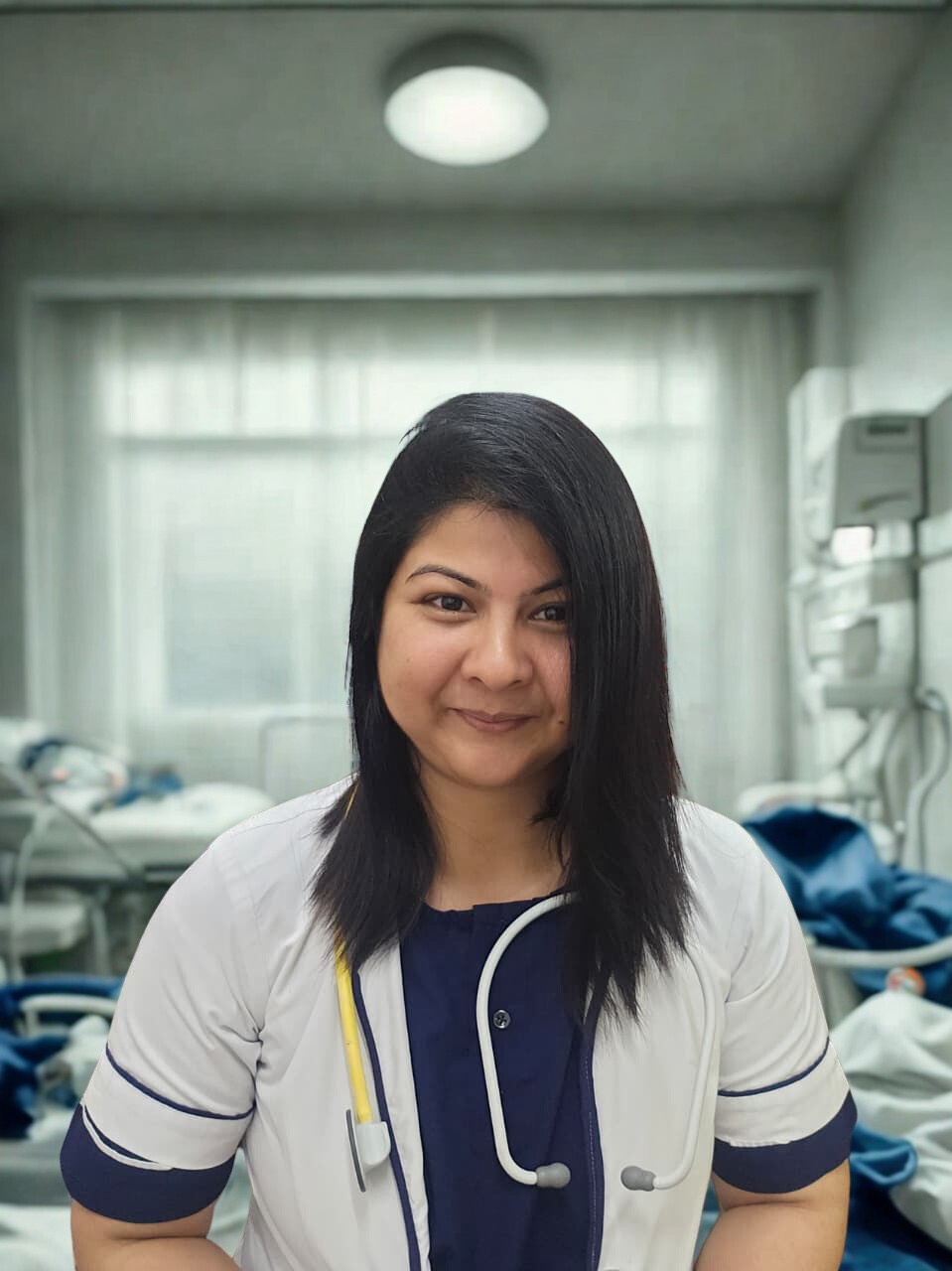
By Dr Nirza Saikia
Dr. Nirza Saikia is a medical professional, writer, and researcher with interests in women’s health, medical ethics, public policy, and the intersection of technology and society. Her work explores how systems—from healthcare to artificial intelligence—shape lived experiences, particularly for women and marginalised communities She can be reached at nirzasaikia@gmail.com.








Enlightening and heartbreaking at the same time. The progress in medical science as far as gender based studies are concerned is highly skewed.
It’s really scary and we keep popping up pills
While male-centric research is carried on, there are black women who are exploited without their consent. This is the poor state of affairs.
It’s good that women’s bodies and their pain is being talked about but it will take a long time to reach the threshold.
Yes so many horrifying stories of exploitation and abuse
Agreed with Banhika. Enlightening and heartbreaking at the same time. It’s a real sad state of affairs
Insightful and intimidating at the same time! Thank you for sharing your insights…
We can only hope for a fairer medical future for women…