





If there’s one biscuit that has witnessed everything from rainy-day chai sessions to late-night hostel gossip, it’s the unassuming Marie — light, round, and always ready to be dunked. However, few realise that this modest teatime favourite has a royal European history. The Marie biscuit was not created in an Indian bakery, but rather within the kitchens of 19th-century Europe.
A Royal Love Story : Alfred and Maria
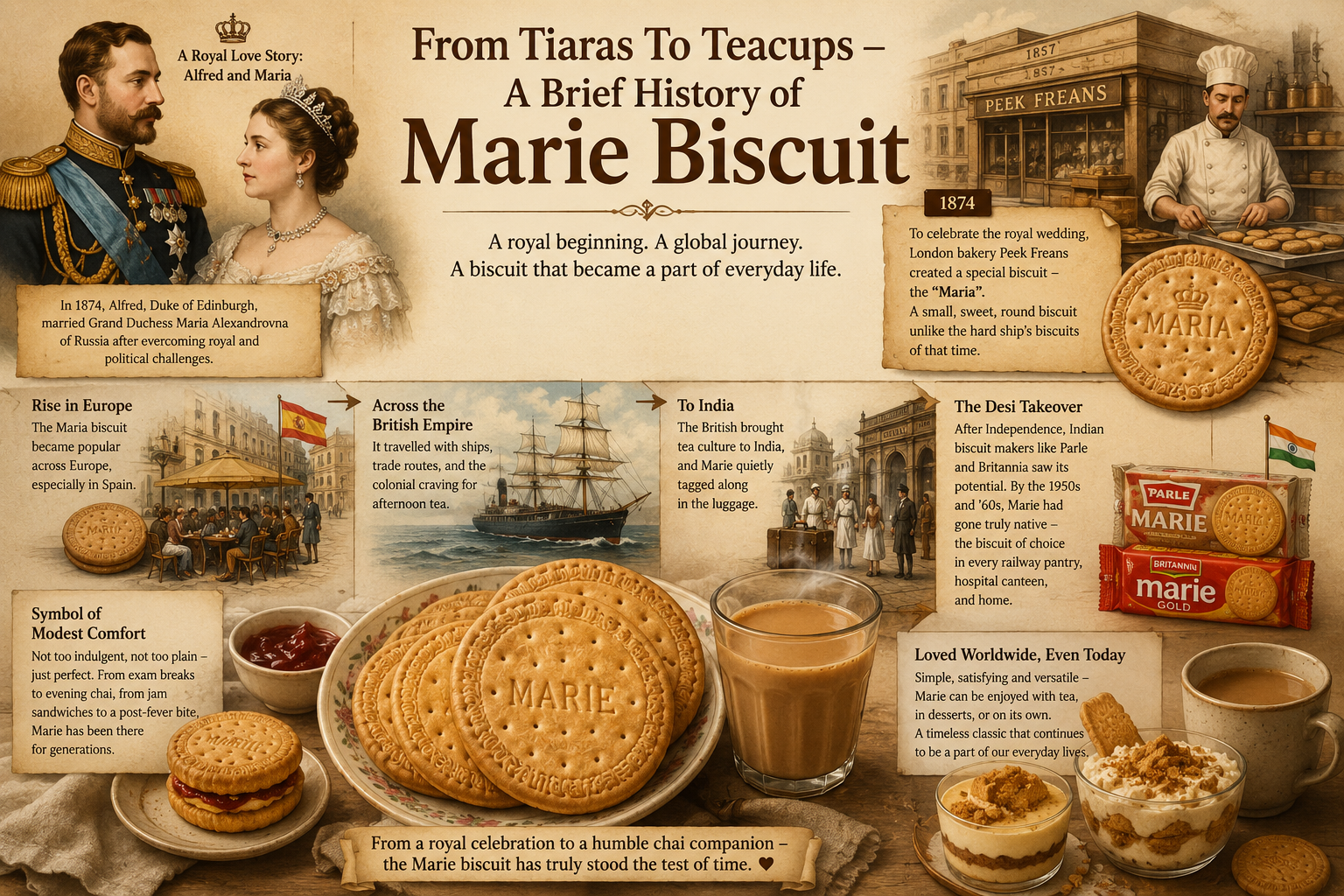
The tale begins in 1868 when Alfred, Duke of Edinburgh and second son of Queen Victoria, met Grand Duchess Maria Alexandrovna of Russia daughter of Tsar Alexander II during a visit to Germany. Their paths crossed again in 1871, sparking a connection fuelled by their shared love for music and a mutual enjoyment of each other’s company. However, their desire to marry faced significant hurdles. Queen Victoria harboured lingering mistrust towards Russia stemming from the Crimean War, and Maria’s Orthodox faith presented a challenge to the British royal family’s Protestant traditions. Similarly, Tsar Alexander II, Maria’s father, was reluctant to lose his daughter.
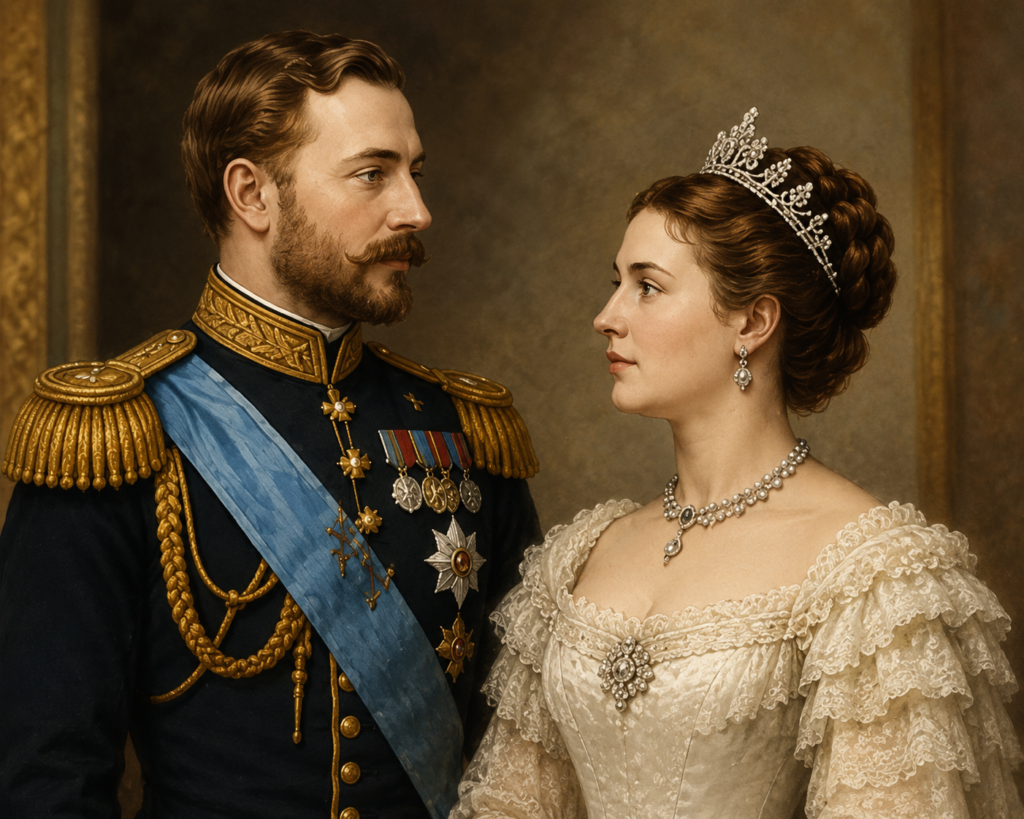
Despite the initial resistance, negotiations commenced in 1871 but stalled due to rumors and political tensions. Alfred’s unwavering devotion and the genuine affection between the couple ultimately won over their families. In 1874, they received their blessings, and a grand wedding ceremony took place at the Winter Palace in St. Petersburg. Notably, Queen Victoria, still harbouring reservations, did not attend.
Now, to commemorate this royal union, Peek Freans, a renowned London bakery established in 1857, created a special treat – the ‘Maria’ biscuit. This marked a significant departure from the then-common, hard ship’s biscuit. Maria was a small, sweet, and round biscuit, a delightful indulgence unlike anything widely available at the time. The biscuit’s name, proudly embossed on its surface, paid homage to the Grand Duchess.
Rise Of A Global Tea Time Favourite
Gradually, as its popularity grew, the biscuit was rechristened as “Marie.” Its popularity soared across Europe, particularly in Spain. In the aftermath of the Spanish Civil War, bakeries capitalized on a wheat surplus by producing vast quantities of Marie biscuits. This delicious and affordable treat became a symbol of the nation’s economic recovery.
The biscuit soon spread across the British Empire, travelling with ships, trade routes, and the colonial craving for afternoon tea. It’s simple, crisp flavour was meant to complement, rather than compete with, the drink. When the British brought tea culture to India, Marie quietly tagged along in the luggage.
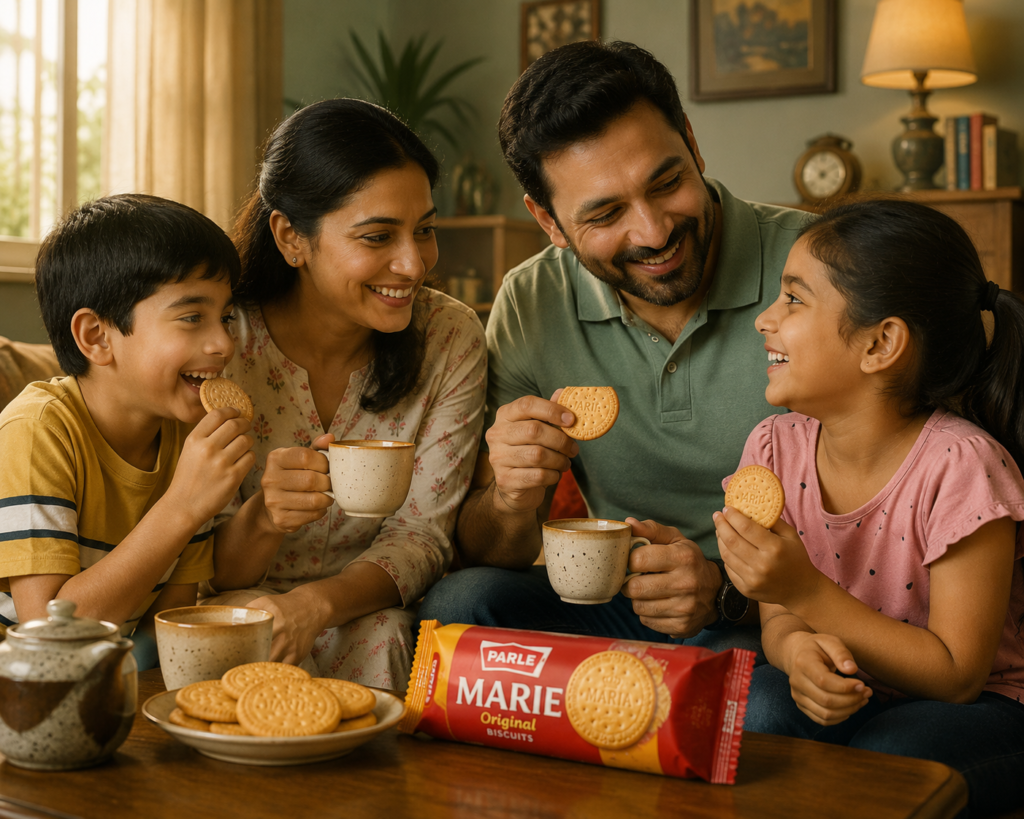
However, while colonial India had no shortage of imported biscuits, the real desi takeover began after Independence. Indian biscuit makers like Parle and Britannia saw potential in this understated treat. It was easy to produce, had a long shelf life, and was well-suited to India’s growing tea culture. By the 1950s and ’60s, Marie had gone truly native — the biscuit of choice in every railway pantry, hospital canteen, and home where guests were offered “chai-biskit”.
Symbol of Modest Comfort
Over time, the Marie became a symbol of modest comfort, not too indulgent like butter cookies, nor too plain and sweet like glucose biscuits. It was the biscuit you could eat after a fever, offer during exam breaks, or dip endlessly while chatting with friends, or turn into a sandwich with kissan jam or even Amul butter if you were on a tight budget. It survived competition from cream-filled cousins, oat impostors, and diet fads. It somehow managed to stay relevant, re-inventing itself in the age of Instagram aesthetics as one half of the ‘chai and Marie moment’.
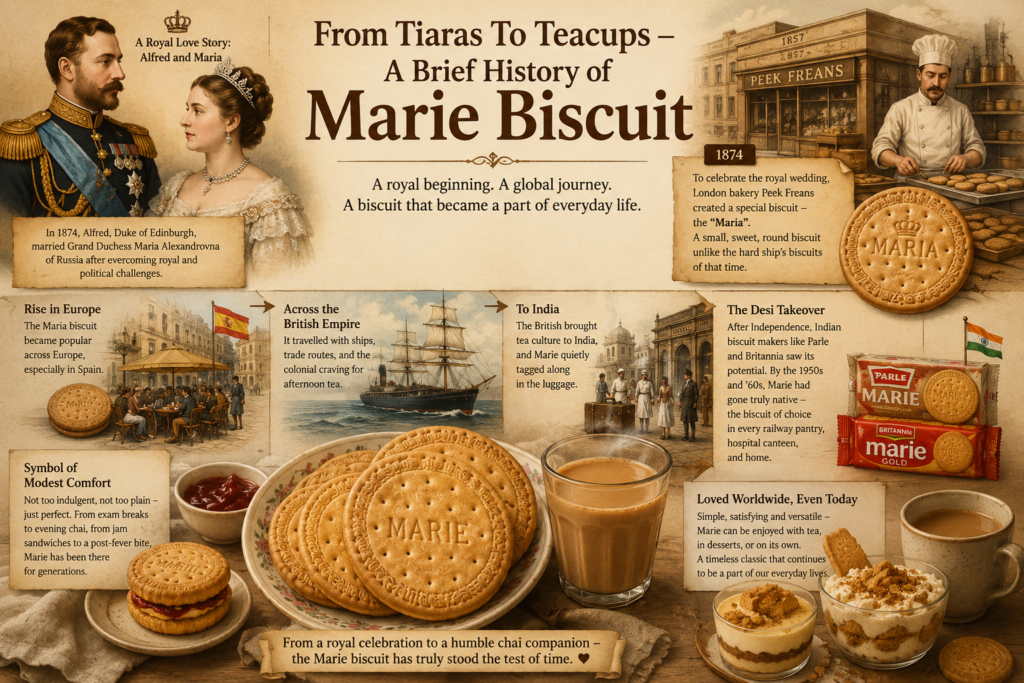
Today, the Marie biscuit, under various brand names, is a well-loved snack enjoyed worldwide. Its enduring popularity lies in its simple yet satisfying taste and versatility. It can be enjoyed on its own, dunked in tea or coffee, or incorporated into various desserts.
By Sampurna Majumdar
Sampurna Majumder is a communications professional born and raised in Kolkata. Fascinated by creativity from a young age, she has a deep love for music, literature, and world cinema. An avid reader and traveler, she holds a Master’s degree in Literature from the University of Delhi.




Wow!! Fascinating
Thanks much Banhika
Fascinating journey, well captured!
Thanks Richa
Really enjoy reading your food (here biscuit) stories… with fascinating histories!
Thanks Promita