






When we were growing up, the stories we heard and the books we read carried a certain quiet lesson. They taught us how to be respectful to our parents. Not blindly obedient, but accepting. Parents were shown as imperfect, sometimes strict, sometimes emotionally distant, sometimes unfair – but rarely as villains.
No one spoke about toxic parents back then. No one named mothers as emotionally unavailable or fathers as irresponsible. The focus was never on what parents lacked. Instead, we were taught to see effort – sacrifice, hard work, love that didn’t always know how to express itself.

We learnt to appreciate what our parents could manage, not what they failed to give. We adjusted our expectations to their capacity. If money was tight, we understood. If affection was limited, we accepted it as their nature. If words were harsh, we told ourselves they meant well.
And somehow, most of us grew up just fine.
Slowly, the stories around us changed.
Our reading habits changed. Panchatantra and folk tales made way for fairy tales. Indian family dramas gave space to Western narratives. We started reading about wicked stepmothers and witches. We began watching stories where children leave home at eighteen, where independence is everything, and dependence is something to escape from.

By itself, this change wasn’t wrong. Exposure to different cultures is important. Independence is important. Awareness is important.
But then came social media – and with it, a flood of information without enough context.
Suddenly, everything had a name and a label –
Toxic parenting. Childhood Trauma. Emotional Neglect. Red Flags.
Therapy and counselling became more common, which is a good thing. Conversations around mental health finally opened up. People had words for feelings they had never been allowed to name before. But somewhere along the way, reflection slowly turned into fault-finding.
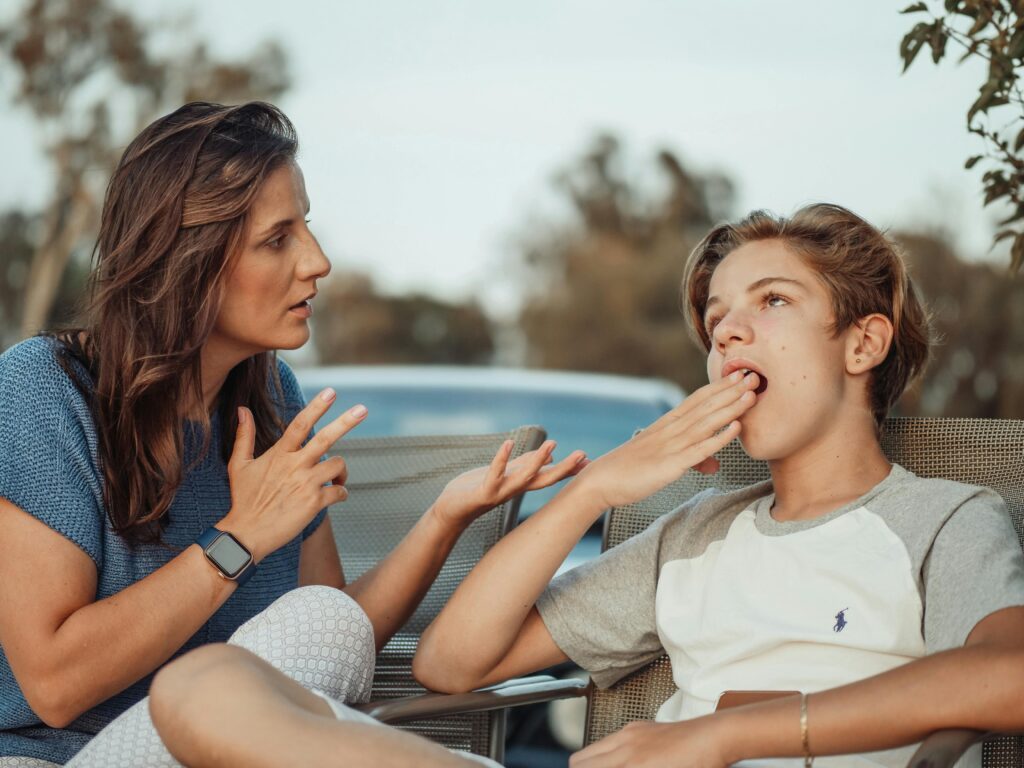
Many young people today are consuming these ideas without depth or balance. They are learning to look backwards before they learn to look within. They are taught to trace every discomfort, every failure, every emotional struggle back to their parents.
And often, that’s where the story stops.
Many therapists focus heavily on childhood wounds. Again, awareness matters. Childhood does shape us. But what is worrying is how often therapy ends up reinforcing the idea that parents are the root cause of everything, without equally emphasising personal responsibility, emotional regulation, and adult growth.
Healing cannot only be about identifying who hurt you. It must also be about understanding how you respond to hurt. Otherwise, awareness becomes another excuse to remain stuck.

What we are seeing more and more today is young adults going against their parents at the drop of a hat. Cutting off. Rebelling. Blaming. Believing that distance alone will bring peace.
Sometimes, distance is necessary. Some homes are genuinely unsafe. Some boundaries are essential. But not every discomfort is abuse. Not every disagreement is trauma. Not every imperfect parent is toxic.
Every household has issues. Every generation had its limitations. Most parents raised children with the tools, awareness, and emotional capacity they had at that time. They were shaped by their own upbringing, their own struggles, their own silences. We all grew up in homes where there were conflicts, misunderstandings, and unspoken tensions. Yet many of us learned to navigate life without placing the entire burden of our struggles on our parents.
We grew. We unlearned. We adapted. Not because our parents were perfect, but because life demanded maturity from us.
The role of an adult, and especially of a psychologist or therapist, should first be to help a person understand themselves. Their emotional patterns. Their reactions. Their coping mechanisms. Their responsibility in shaping their present.
Childhood awareness should be the starting point, not the destination. Because awareness without accountability breeds resentment.
And healing built on blame rarely lasts.
This isn’t about dismissing pain or glorifying unhealthy families. It’s about balance. About recognising that parents are human too, flawed, limited, trying their best with whatever they knew at the time.

Maybe instead of constantly asking, “Who failed me?” , we should also ask, “What can I do with what I know now?”
I don’t have generic answers.
Just a thought I keep coming back to.
Do you feel this shift too?

By Vedaprana Purkayastha
The Founder of The She Saga Foundation, Vedaprana, is a Social Entrepreneur and a Psychological Counselor. She writes on topics that touch her heart and stir her soul. She can be contacted at vedaprana.p@gmail.com
4 Responses
Well pointed out. Agree with every word.
Well pointed out. Agree with every word.
It felt like I was reading my own thoughts.
It felt like I was reading my own thoughts.