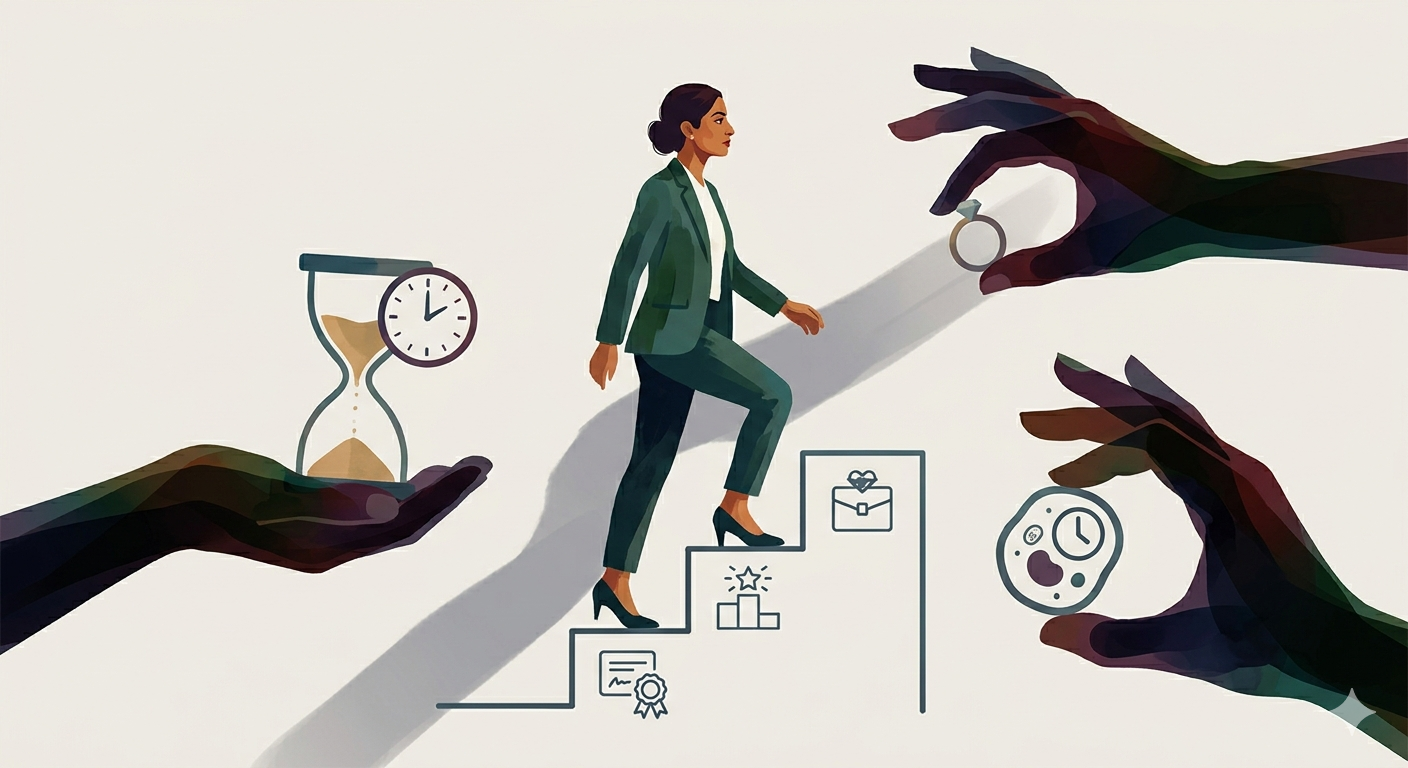




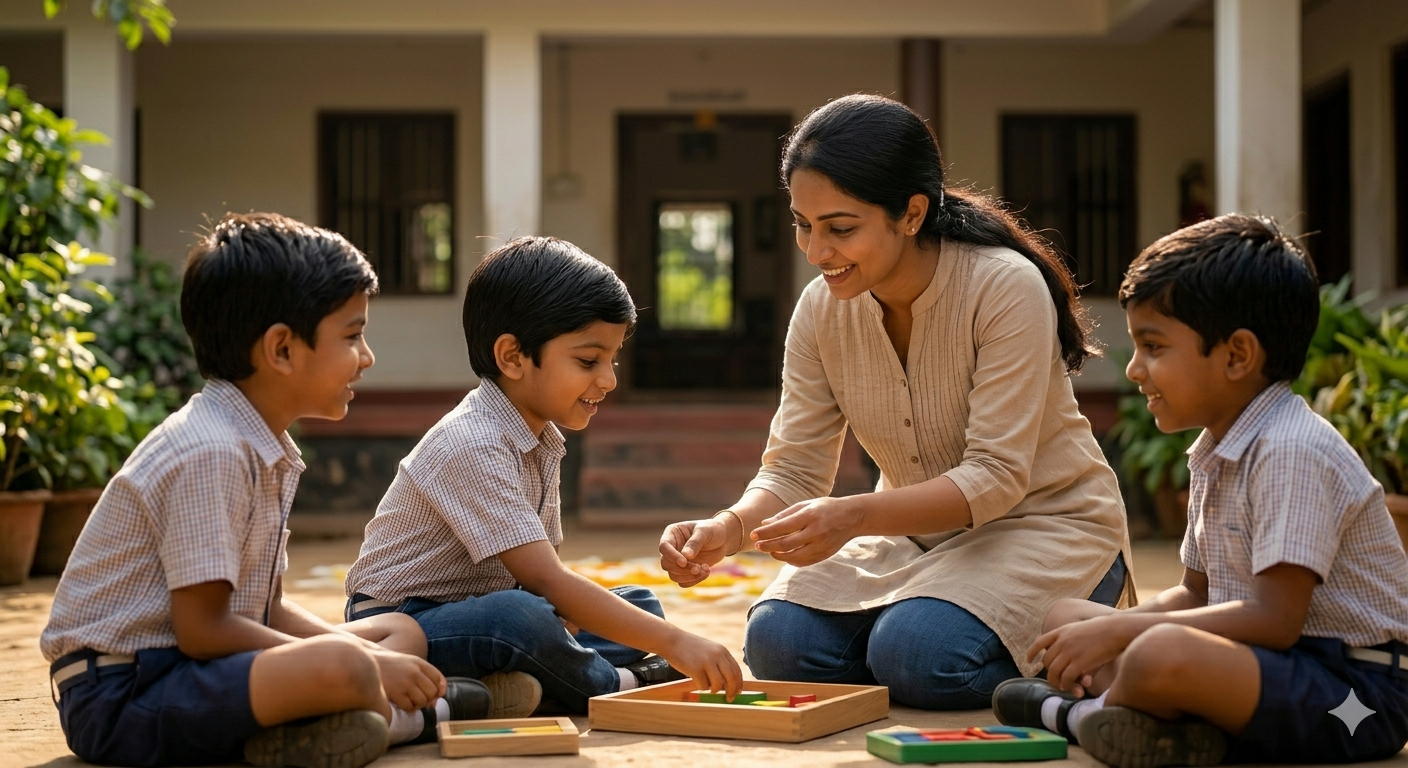

We hear the term ‘Inclusive school’ more often now than ever before. It sounds reassuring, progressive, and hopeful. As parents, especially of children with special needs, we want to believe that inclusion means acceptance, support, and equal opportunity. But the question is, how inclusive are these schools in reality? The answer isn’t very simple. While India is moving in the right direction, the journey is still incomplete.
What Inclusion Looks Like on Paper
India has taken strong steps towards inclusive education. Policies like the Right to Education (RTE) and the National Education Policy (NEP 2020) clearly state that children with special needs should be part of mainstream schools. The idea is beautiful – every child learning together, growing together, without segregation. On paper, inclusion exists. But what happens inside classrooms often tells a different story.
The Reality on Ground
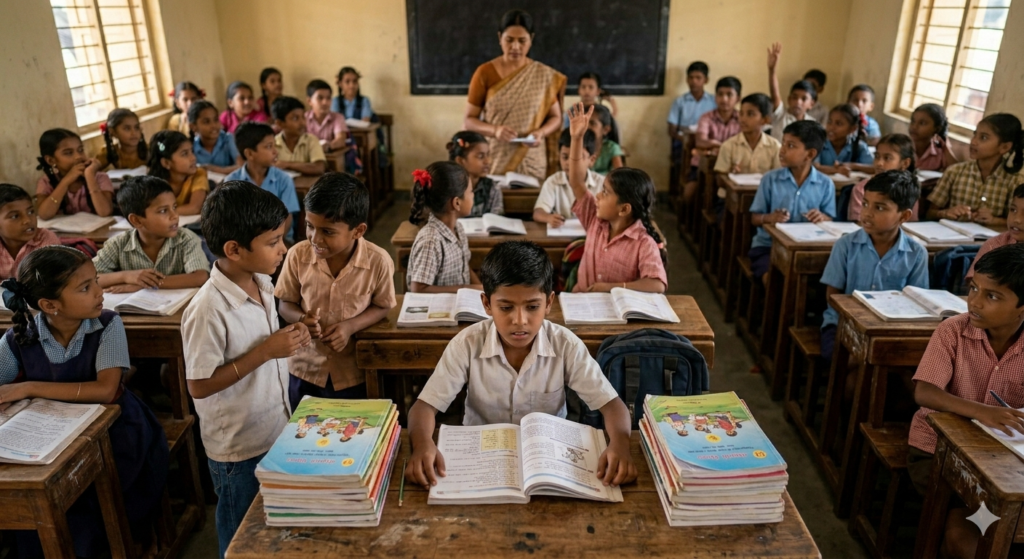
Many schools today proudly call themselves ‘Inclusive.’ They are open to admitting children with different needs – autism, ADHD, learning disabilities, and more. But admission is just the first step. True inclusion goes far beyond allowing a child to sit in a classroom. In many cases, what we see is a gap between intention and execution. Schools may not have trained teachers, structured support systems, or the resources needed to truly nurture a special child.
So the child is present, but not always included.
Where the System Falls Short
There are a few common challenges that come up again and again. First, the lack of trained educators. Most mainstream teachers are not trained to handle diverse learning needs. They may be well-meaning, but without the right tools, they struggle. Second, large class sizes. When one teacher is managing 40 or more students, individual attention becomes difficult, especially for a child who needs extra support. Third, absence of specialised support. Many schools do not have full-time special educators, therapists, or counsellors. Parents are often asked to arrange shadow teachers privately, adding emotional and financial pressure. And then there is something less visible but equally important – the MINDSET.
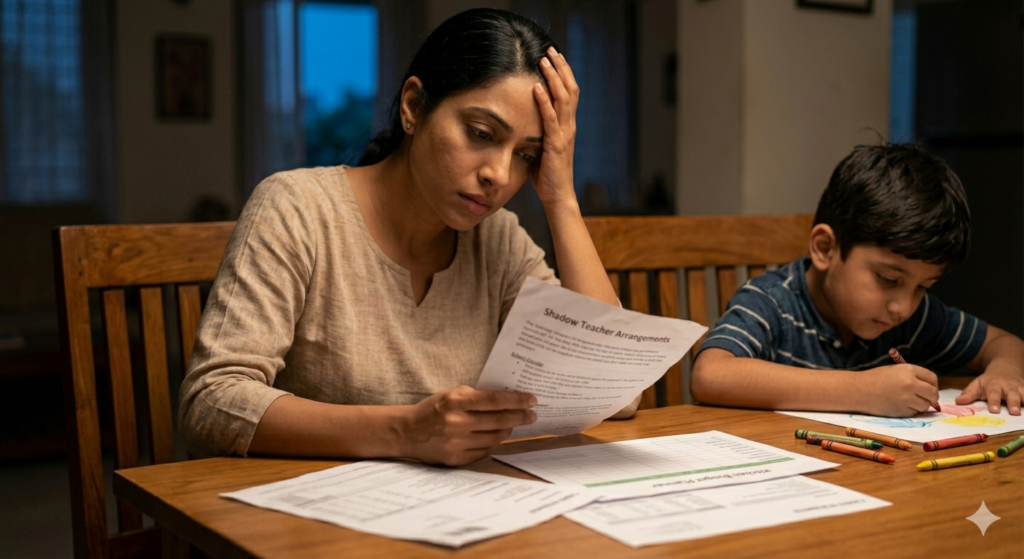
In some spaces, inclusion still feels like an adjustment rather than acceptance. Children are expected to ‘fit in’, instead of the system adapting to them.
Do Inclusive Schools Take Proper Care of Special Children?
The honest answer is – some do, many don’t. Some schools are doing remarkable work. They have systems in place – Individual Education Plans (IEPs), trained special educators, therapy support, and most importantly, empathy. In such environments, children are not just accommodated; they are understood and encouraged. But these schools are still few. A large number of schools fall into a middle category. They accept children, but the real responsibility of support lies with the parents. The child is managed, not nurtured. And then there are schools that are resistant, though not always openly. They may discourage admission, or later suggest that the child is ‘not coping.’
How Do We Identify a Truly Inclusive School?
As parents, we learn quickly that brochures and promises are not enough. What matters is what happens daily within the school walls. The right questions can reveal a lot. Does the school have a full-time special educator, or only someone who visits occasionally? Do they create Individual Education Plans tailored to each child? Are they open to working with shadow teachers? It is also important to understand how they handle behavioural challenges. Is the approach patient and supportive, or corrective and punitive? And beyond questions, observation matters deeply. When you visit a school, look around. Are children with special needs actively participating? Are teachers patient? Do other children include them naturally?
Sometimes, the atmosphere speaks louder than words.
Red Flags to Watch Out For
Over time, certain patterns become clear. Statements like “we treat all children the same” may sound nice, but they often mean there is no personalised support. Every child is different, and inclusion requires acknowledging that. Promises like “your child will become normal here” are not just unrealistic; they reflect a lack of understanding. And if a school has no structured system, no plans, no specialists, no clear approach, it is worth reconsidering.
A Gentle but Important Realisation
One of the hardest truths for many parents is a highly reputed academic school is not always the best place for a child with special needs. Sometimes, a smaller or less ‘fancy’ school, with empathy, flexibility, and the right support, can make a world of difference. Because inclusion is not about infrastructure alone. It is about people, mindset, and daily practice.
Where Are We Heading?
India is in a phase of transition. Awareness is growing. Conversations are happening. More parents are asking the right questions. And slowly, schools are beginning to respond. But we are not there yet. True inclusion is not just a policy,it is a culture. And building that culture takes time, training, and intent.

In the End
Choosing a school for a special child is not just an academic decision. It is an emotional one. A deeply personal one.It requires us to look beyond labels, beyond promises, and into the heart of the system. Because every child deserves more than just a seat in a classroom. They deserve to be seen, understood, and truly included. And until that becomes the norm, we will keep asking, keep questioning, and keep pushing for better.
For them. Always.

By Vedaprana Purkayastha
The Founder of The She Saga Foundation, Vedaprana, is a Social Entrepreneur and a Psychological Counselor. She writes on topics that touch her heart and stir her soul. She can be contacted at vedaprana.p@gmail.com