



Certain books come to me, or rather, let me put it this way, stir me to begin reading at crucial junctures. It was quite a few months ago when my friend generously loaned me this book, The Lion Women of Tehran. Don’t know why, but I just couldn’t bring myself to flip even one page. Till, out of the blue and out of my sheer shame at having sat on it for so long, I decided to start. And what a read it was! 372 pages lapped up in 2 days. Some marathon it was, but then the book was made of a mettle that warranted such dedication.
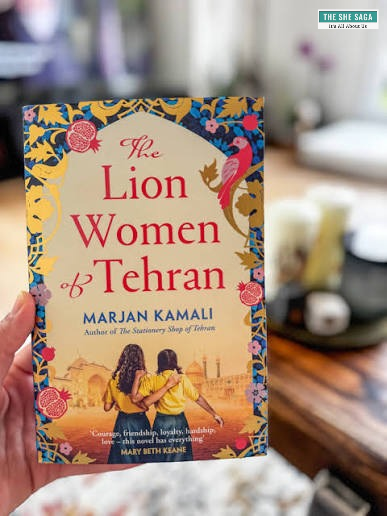
At the heart of it is a friendship between two women splintered by a class divide: aristocracy and working. Set against a changing political landscape of Iran: first the coup de etat of 1953, the reinstatement of the oppressive Shah regime, followed by his overthrow to be replaced by the religious fundamentalism of Khomeini. Iran literally went from the frying pan into the fire!
I won’t go into the details. What I’d share here are some of the undercurrents that made my heart heavy and my eyes moist. A friendship that withstood the test of time, the rise of feminism for Iranian women, which is a commentary on how Western feminists have failed them. The courage, the resilience, the indomitable spirit to fight. But more than anything, it’s this whole idea of freedom.
When I wear that knee-length dress and sit inside my Uber with my lipstick, shades, and fancy heels, without a care in the world other than to look forward to lunch, I take all of it for granted. While at the same time, in some other world, women could be flogged and raped just for showing a little bit of their hair! Imagine that. How the daily, the mundane, the everyday, the desire to study, to work, to wear make-up, to leave your hair open, to flaunt a fancy hairdo becomes a matter of fight against all odds.
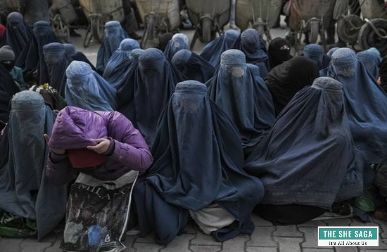
Today, Iran is burning. It has burned in the past. Hopefully, this time, it won’t be in vain. And what Homa, the protagonist, writes is with me, underlined in my head. When we see a wave, we only see it when it is approaching. But in reality, the groundwork had already begun long ago. What we see is the prepared, finished product. Similarly, the wave of protests today has been gaining momentum for a while now. The groundwork had begun in 1979.
Punctuated with Persian culinary delights with a dollop of feta cheese, tomatoes, and olive oil; kebabs, saffron rice, kotelets; the gorgeous, picturesque backdrop of the mountains, and a language heavy with sibilant sounds, I simply couldn’t keep this book down.
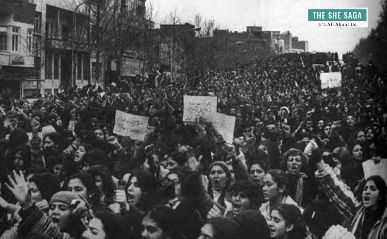
The courage shook me. The violence broke me. The love healed me. The revolution filled me with hope. As I write, hundreds and thousands are getting jailed or killed. Perhaps one of the most brutal crackdowns in the country. And I only pray that this time the women taste victory.
For Homa and millions like her. For women. For their right to breathe an air of freedom. For my Iranian sisters. I pray you win this time. I bow in front of your courage. And your ability to love despite all the oppression and brutalities inflicted. Doniya Malah Mast (the world is ours) ✊🏾
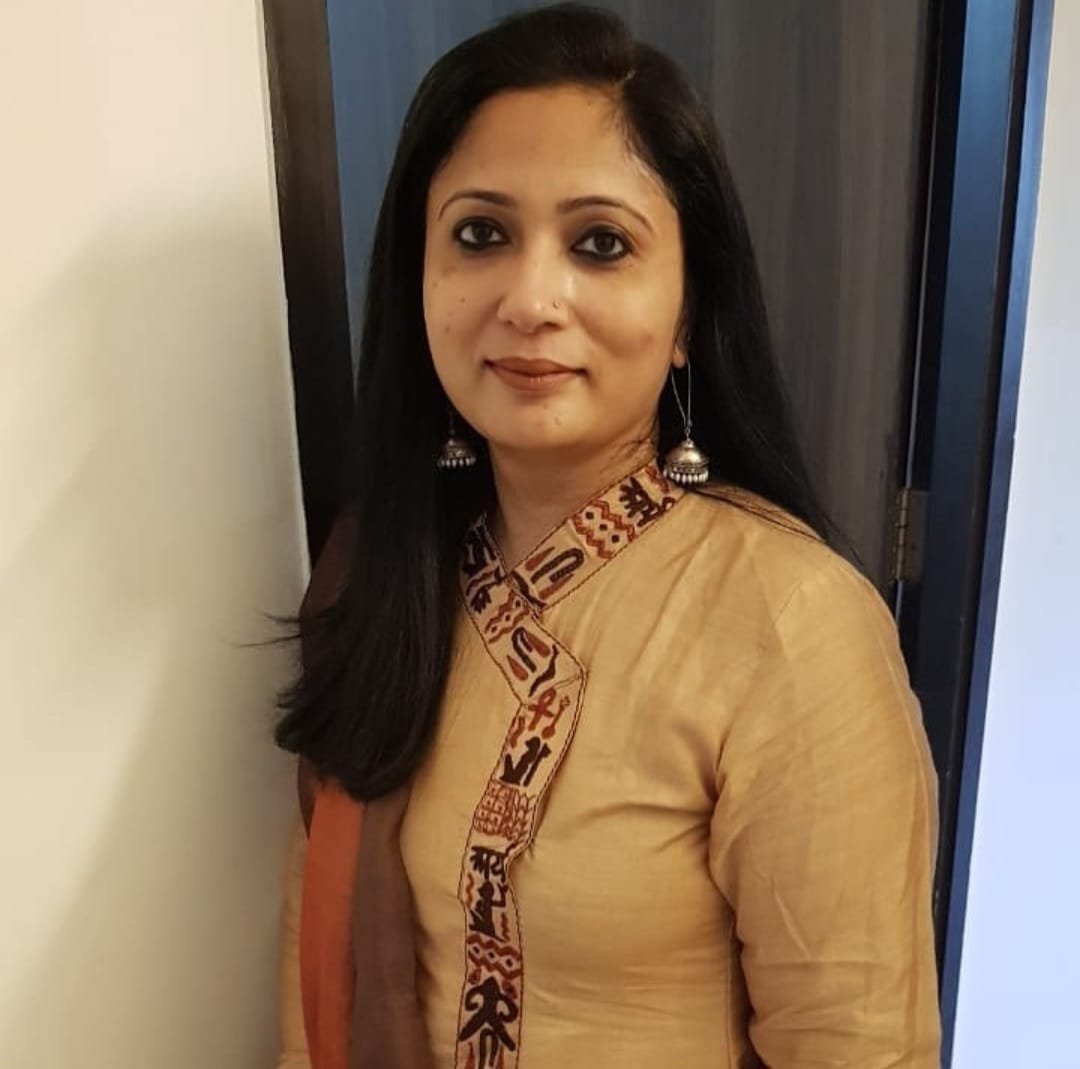
By Anasuya Sreedhar
Anasuya Shreedhar is a writer with a keen interest in food, exploring its relationship with gender and caste. She had a PhD in Women’s and Gender Studies from Ambedkar University, Delhi and currently teaches Gender Studies to MA students at IGNOU.
One Response
Impressive read