




The Rooms I No Longer Occupy
A reflective personal essay on healing, resilience, and self-reinvention—tracing how loss, mental health, and choice reshape identity, purpose, and the courage to live life on one’s own terms.

A reflective personal essay on healing, resilience, and self-reinvention—tracing how loss, mental health, and choice reshape identity, purpose, and the courage to live life on one’s own terms.

A counselor reflects on her own struggles while answering a friend’s mental-wellness prompt. She shares 10 practical, universal tips she’d give a client—accepting unpredictability, choosing possible over perfect, scheduling emotions, building routines, avoiding comparison, and honoring individual paths. A humane reminder that even psychologists wobble, but still rise.
Christmas is more than a date—it’s emotion, nostalgia, and tradition shaped by childhood carols, bakeries, bazaars, family visits, books, malls, and friends. It influences identity, sparks joy across borders, rewinds memories, embraces togetherness, indulgent treats, and quiet reflections. The real magic lies in kindness, warmth, and presence shared with loved ones.

Meet the Kichkandi, a ghost with backward feet that haunts Nepal and is kin to the Indian Churail/Shakchunni/Petni. This article explores how these terrifying, vengeful female spirits are actually symbols of “wronged women.” Death grants them the supernatural power to finally seek the brutal justice denied in their mortal lives.

November arrives quietly, softening the world after the festive rush. In this gentle pause, life slows—homes exhale, minds reflect, and ordinary moments feel meaningful. Between fading noise and rising nostalgia, a woman rediscovers herself, finding peace in stillness, routine, and mindful presence. November becomes a tender space of renewal.

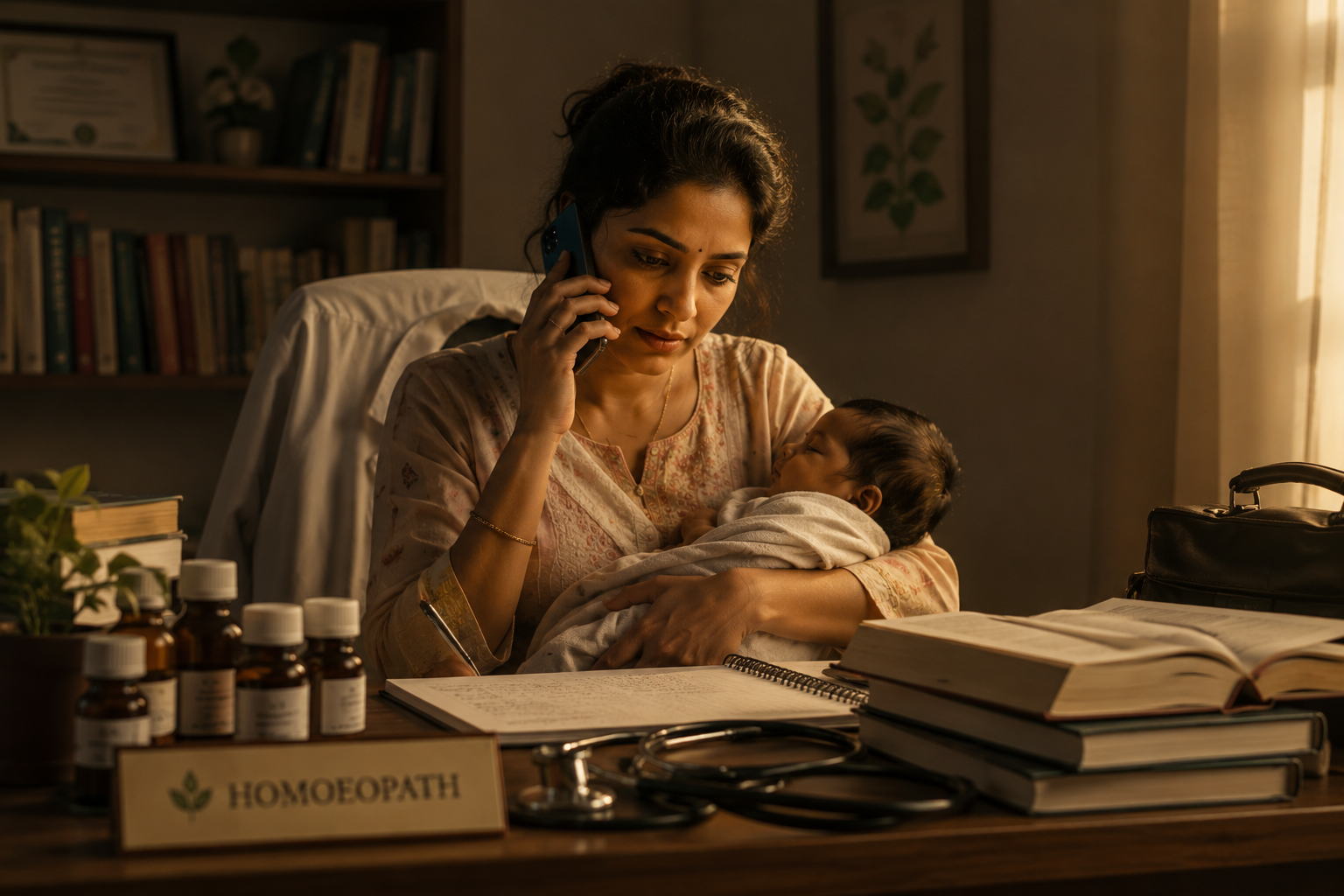
Working mothers juggle two full-time roles — paid work and invisible caregiving — while battling guilt, burnout, and unrealistic expectations. With limited workplace support and unequal gender roles, their load intensifies. Support systems, flexibility, and changing attitudes help, but true balance comes from shared responsibility, empathy, and valuing every mother’s labour.

A humorous, nostalgic take on Bengal’s iconic bitter dish, shukto, this piece turns a simple recipe into a dramatic rant. The writer personifies the vegetables, mocks the bittersweet flavours, and reflects on childhood torture turning into adult comfort, celebrating how this quirky dish mirrors the contradictions of Bengali life.

Men are expected to be strong, responsible, and unshaken, but beneath these expectations lie silent emotional struggles. Conditioned to hide vulnerability, they carry pressure, conflict, and self-doubt without complaint. On Men’s Day, we honour their unseen battles and remind them that vulnerability, rest, and emotional honesty are human — and deeply valid.

The morning after Diwali brings quiet exhaustion, but a small act of kindness transforms it. A delivery boy humbly asks for extra sweets for his family, and the house help selflessly gifts him a new kurta meant for her brother. Her generosity reveals the true spirit of Diwali—compassion, humanity, and heartfelt giving.

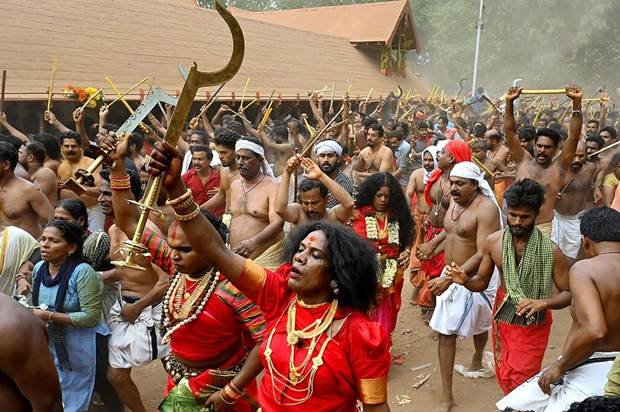
A reflective journey through struggle and longing, the poem follows a narrator moving through a chaotic procession, burdened by pain, doubt, and hope. Despite suffering and inner turmoil, they continue toward the divine, realizing that the difficult path itself leads to clarity, resilience, and the final moment of spiritual fulfillment.