




We are the Women We want to be
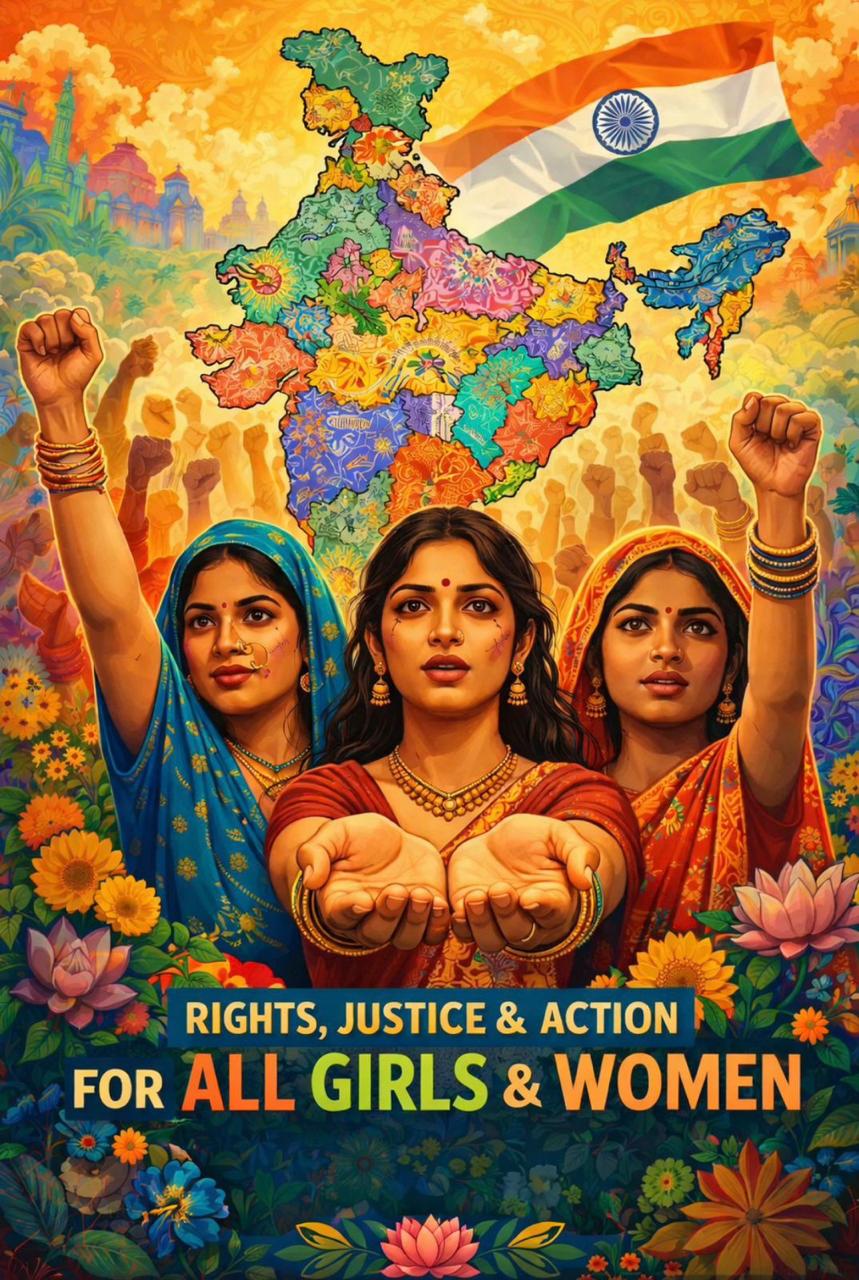
A reflection on unlearning the social conditioning many girls grow up with, celebrating women who challenge expectations, redefine roles, and inspire others to claim their space with courage and conviction.
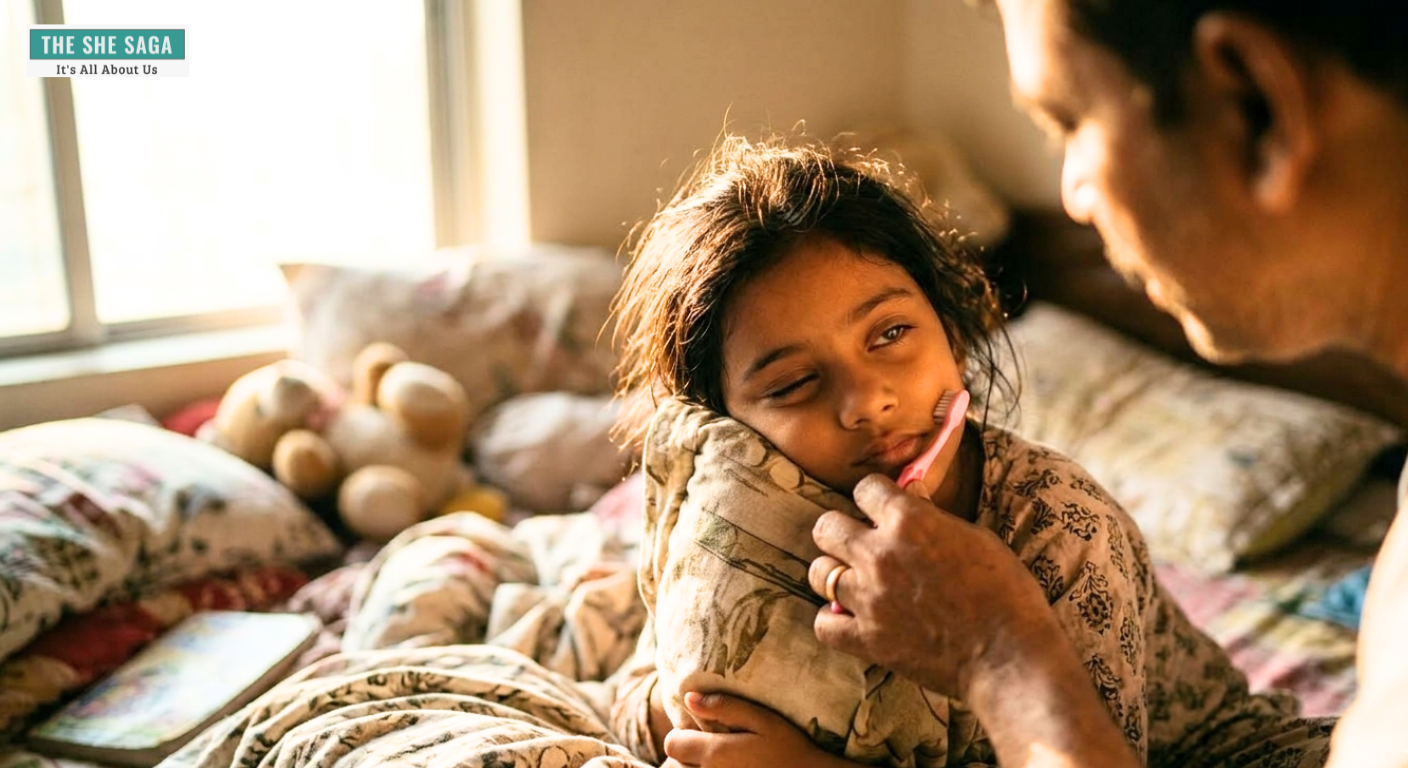
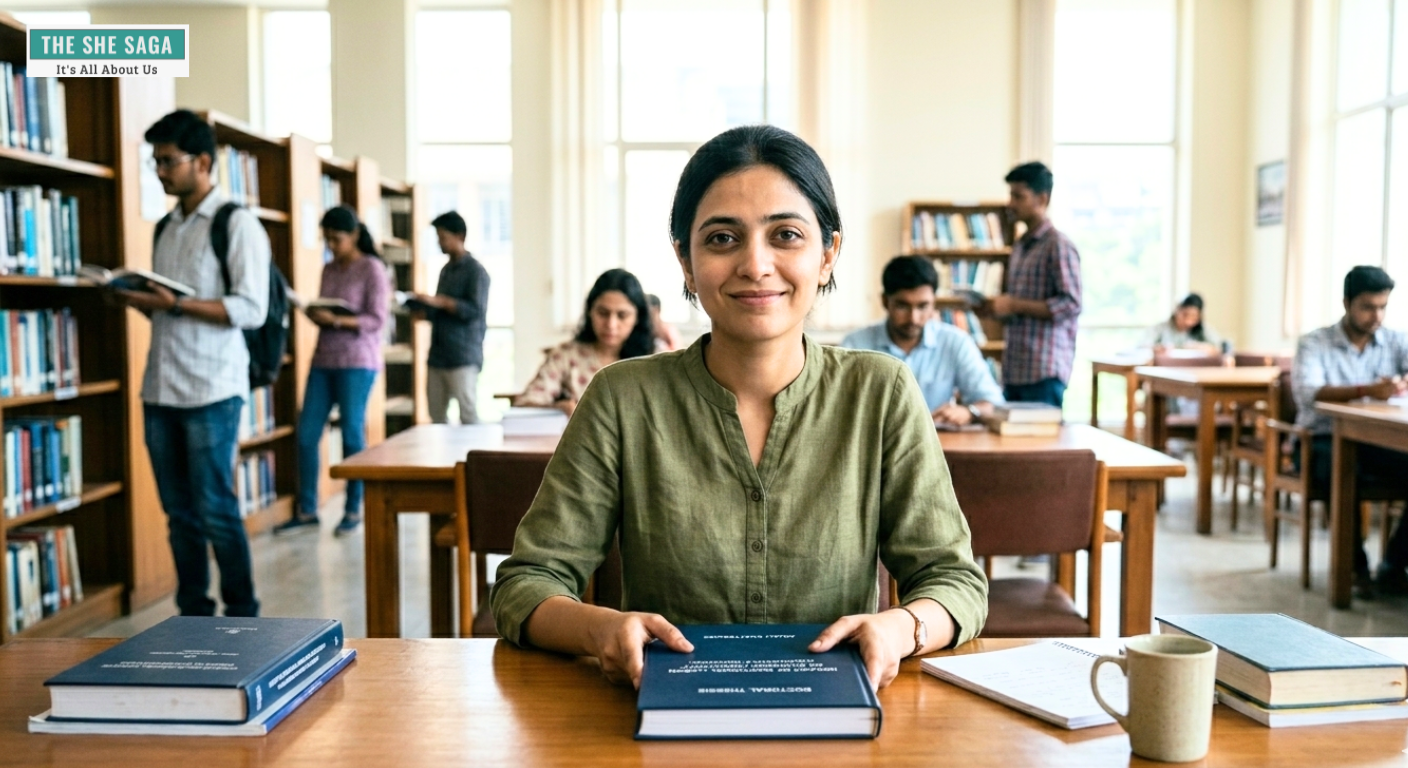
A reflection on unlearning the social conditioning many girls grow up with, celebrating women who challenge expectations, redefine roles, and inspire others to claim their space with courage and conviction.
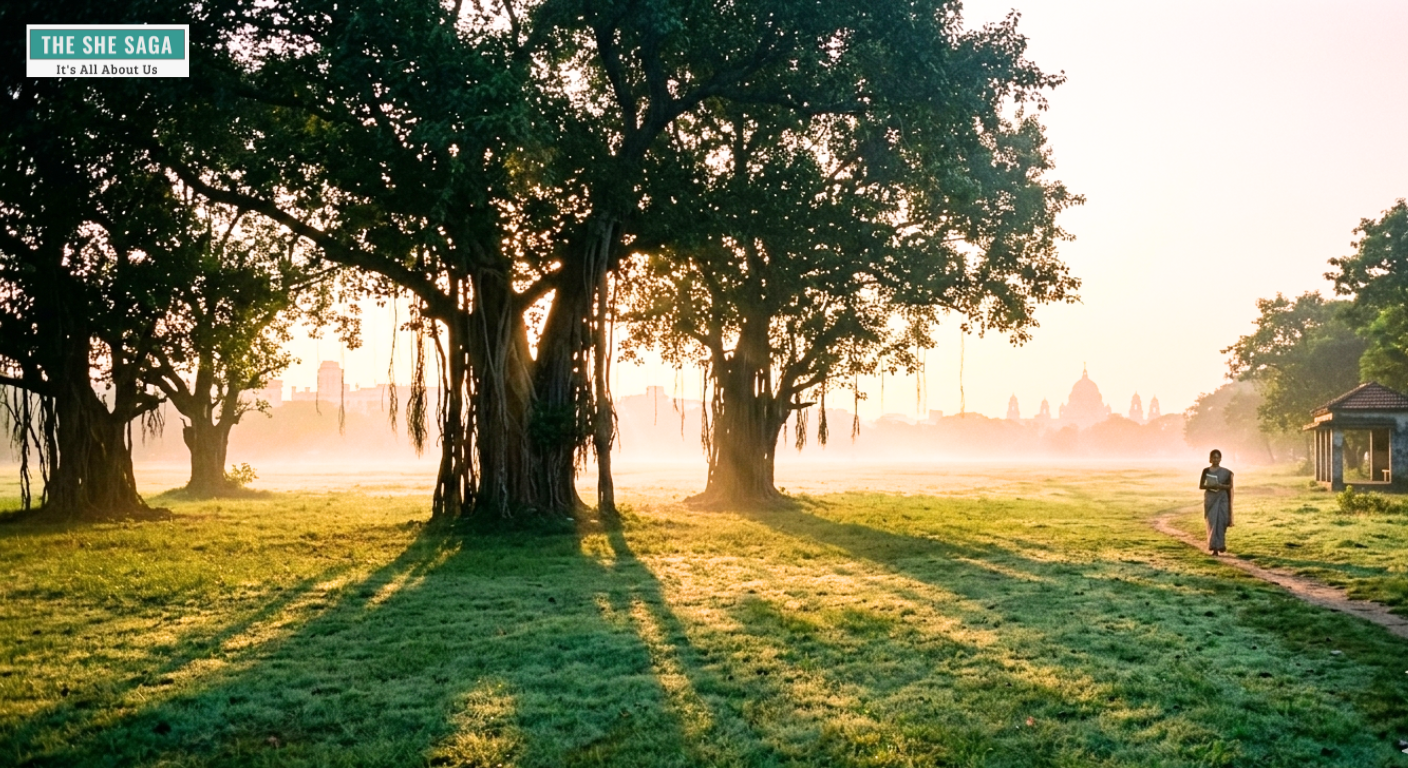
A slice-of-life vignette that observes the gentle flow of a weekday morning, revealing the unnoticed details that make up everyday domestic life.

A sharp, humorous letter reflecting on friendship, self-awareness, and the evolving understanding of one’s own priorities, told with wit, honesty, and a touch of irony.

Through vivid imagery and quiet reflection, this piece examines the contrast between the calm rhythms of daily life and the unsettling questions that linger beneath the surface.

Welcome to yet another edition of Spoiler Alert. On this Women’s Day, I bring you ten women-centric films that have stayed with me, that, according

Theme for 2026 When I sat down to write this piece, out of plain curiosity, I googled the theme for this year’s Women’s Day. It

Somewhere between Saathiya, Dil Chahta Hai and Band Baaja Baarat, I realised old Hindi films felt warmer because faces actually moved and emoted. Imperfections made heartbreak believable and joy infectious. Today’s uniform, over-perfected aesthetic may look flawless, but when faces stop telling stories, cinema quietly loses its soul.

From open sleeper coaches and newspaper-wrapped jhalmuri to Rajdhani soups and stolen-ticket thrills, train journeys shaped childhood wonder and lifelong memories. More than transport, they were living classrooms of landscapes, strangers, and flavours—offering connection, nostalgia, and a slower intimacy with India that flights can never replicate.

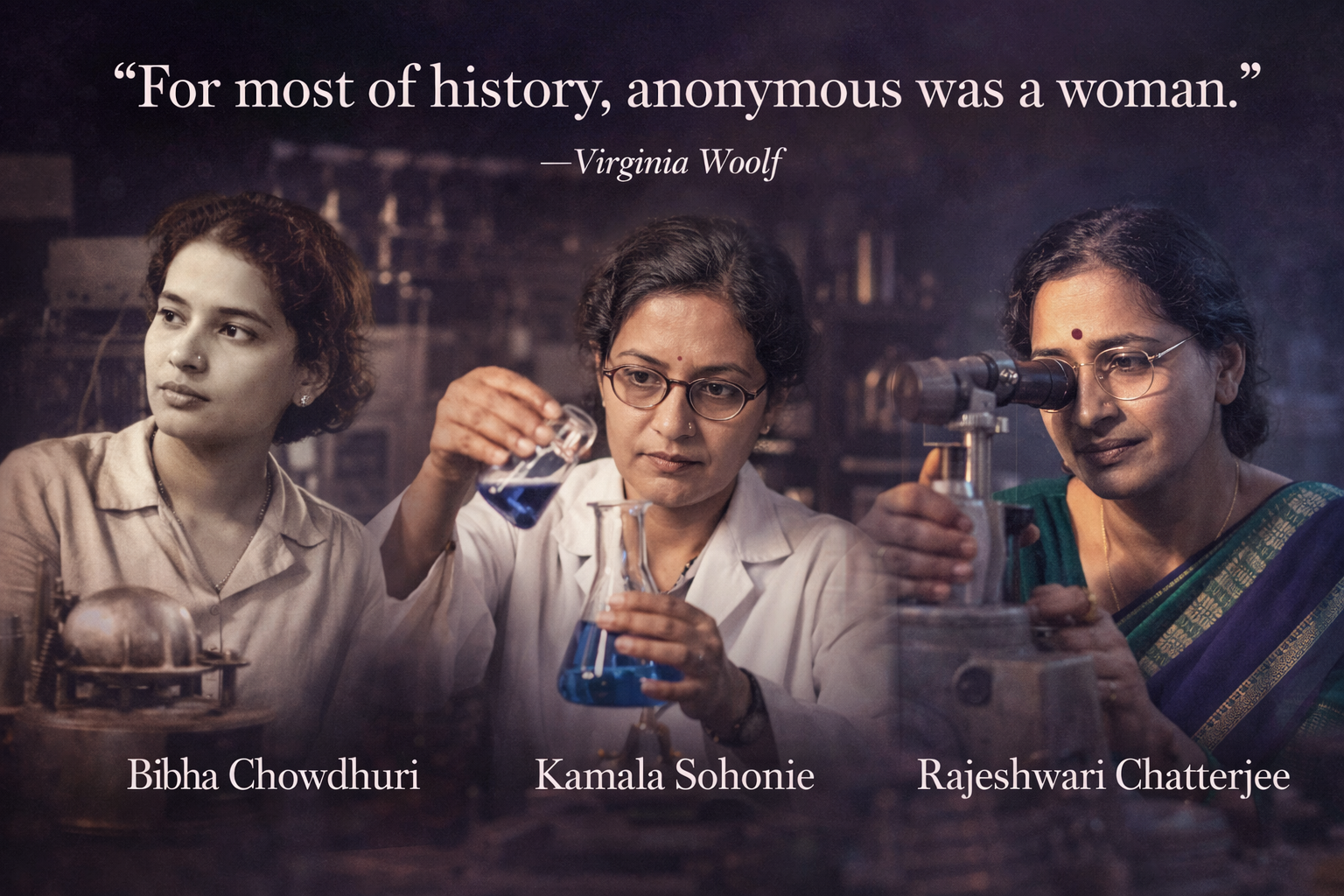
Echoing Virginia Woolf’s words, the article revisits the erased legacies of Indian scientists Bibha Chowdhuri, Kamala Sohonie, and Rajeshwari Chatterjee. Despite pioneering contributions to physics, biochemistry, and engineering, they faced systemic gender bias and invisibility. Recovering their HERstories challenges patriarchal narratives and restores women to India’s scientific history.

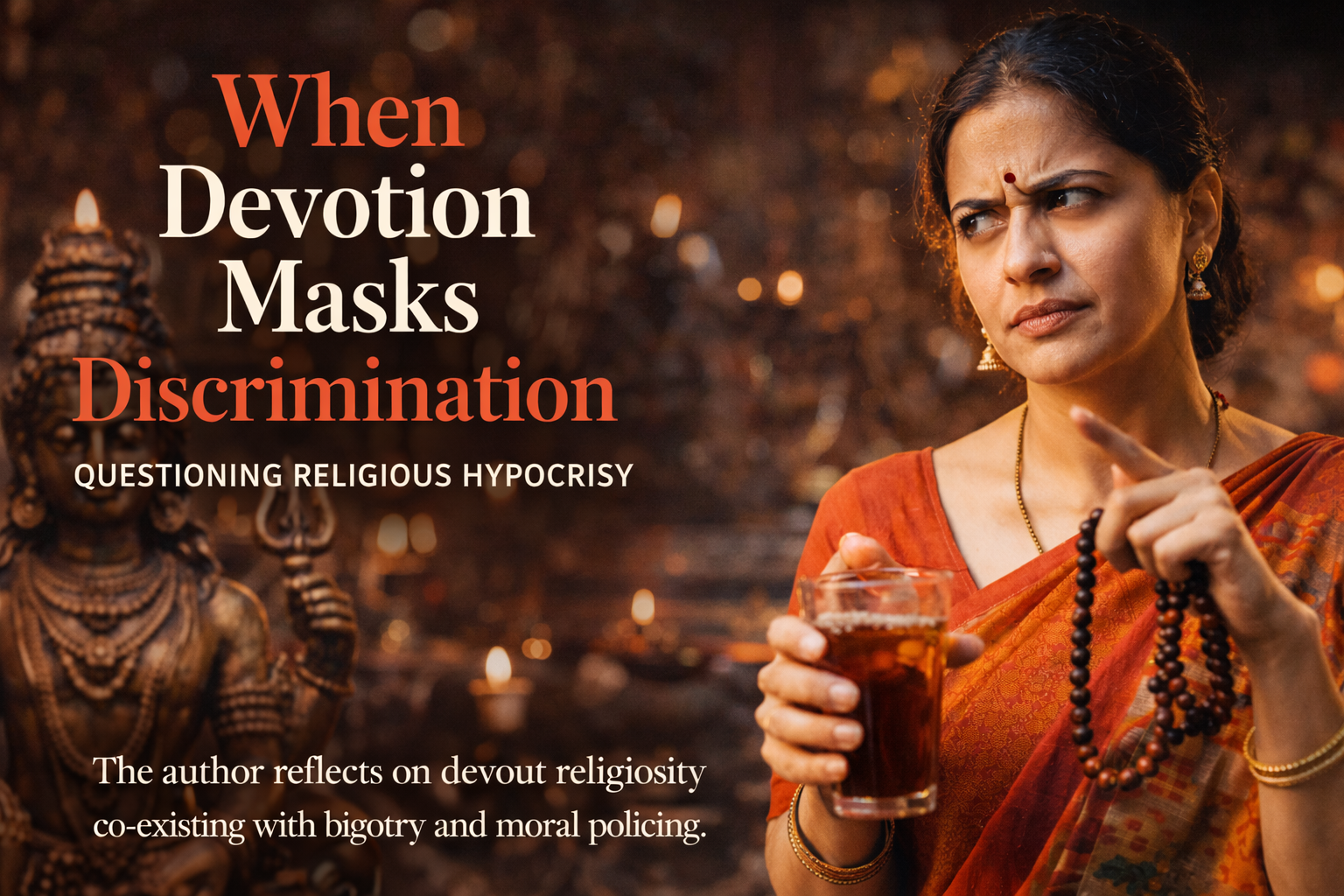
The author reflects on witnessing devout religiosity coexist with bigotry, arrogance, and moral policing. While not rejecting faith itself, she questions performative piety that breeds superiority and exclusion. Ultimately, she values compassion, courage, and meaningful human impact over ritualistic devotion and hollow claims of spiritual purity.