







Winter is going by, and I thought, in today’s ‘Slice of Life’, why not explore the love-hate relationship that Bengalis and Winter seem to share, somewhat personally! Being a ‘Bangali’, I presume the push-pull dynamics in this complex equation, perhaps, stems from Bengalis’ love for certain winter ways (or whims, if you may call it), on the one hand, and their inherent sensitivity to cold days and chilly nights, on the other.
To begin with, a Bengali’s approach to winter, is dramatic, to say the least. Though this year, winter made its presence felt for the first time after many years, usually, the temperatures in Bengal neither go below 9 degrees centigrade nor last for more than 2-4 weeks. But that doesn’t deter a Bengali from getting geared up long before the winter holidays begin.
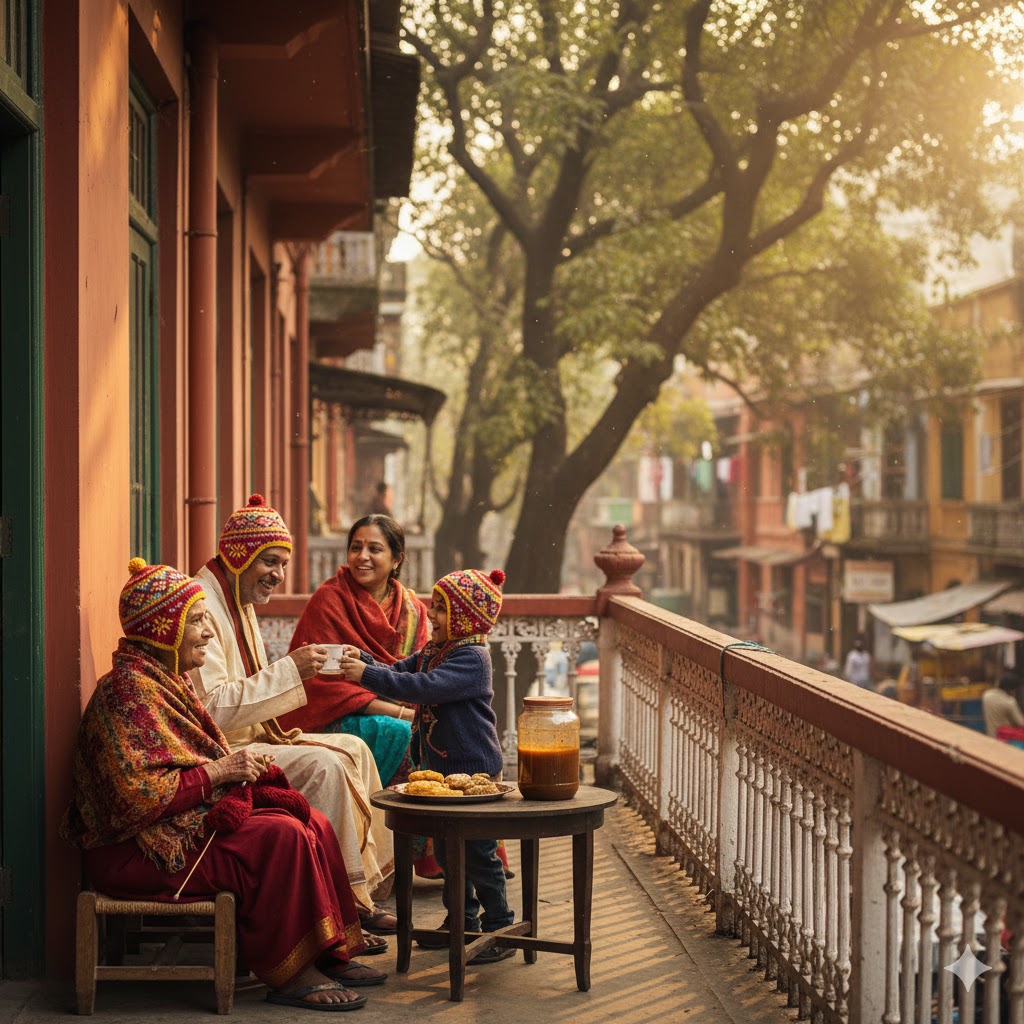
In fact, with Maa Durga returning to her heavenly abode, it’s time for almost every Bengali mom to panic and pester their children with the threat of “thanda lege jabe!” (you will catch a cold!) and the poor souls are wrapped up in woollens and left with no room for protest. The morning scene in the parks and on the pavements too is an amusing one. Yes, you got that one right! The iconic winter cap or the ‘Bnador Tupi’ (Monkey cap) that shields every ‘Bangali Babu’ from cold and chiacking alike is nothing less than an armour that he swears by. Also, the ‘chador’ or shawl, irrespective of the gender, adorns a Bengali shoulder, whether it be an ethnic attire or a western outfit, nobody cares.

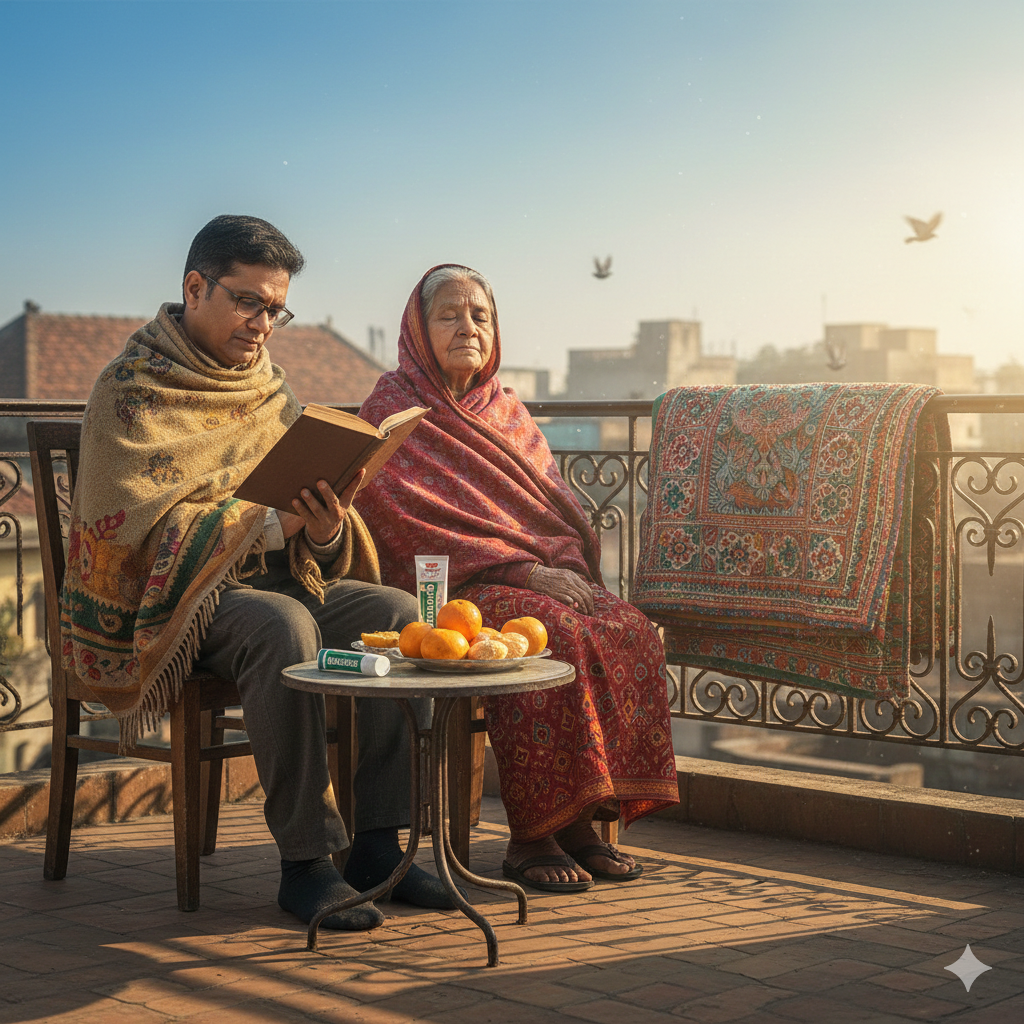
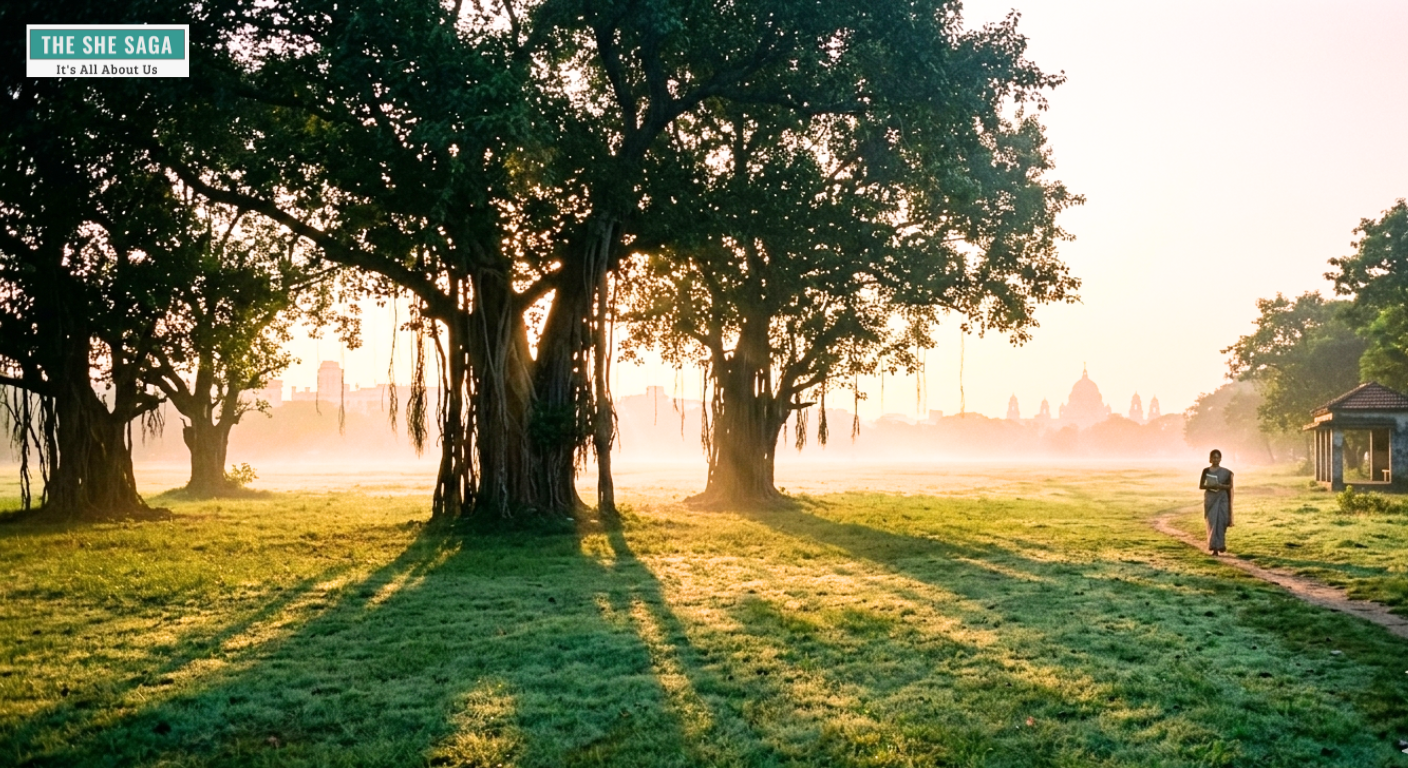
Bengali moms (even to middle-aged and above men) have another winter obsession with ‘rode bosho’ or sit out in the winter sun, an activity more adhered to by adults than their younger counterparts. Reading and oiling are accompaniments to this ritualistic act, while the ‘lep’ or ‘kombol’ (quilt) or ‘nakshi kantha’ compete with humans to bask in the sun. Possibly, the erudite Bengali here is assumed to be reflecting on profound words like those of Albert Camus or penning his own verses.
“In the depth of winter, I finally learned that within me there lay an invincible summer.”
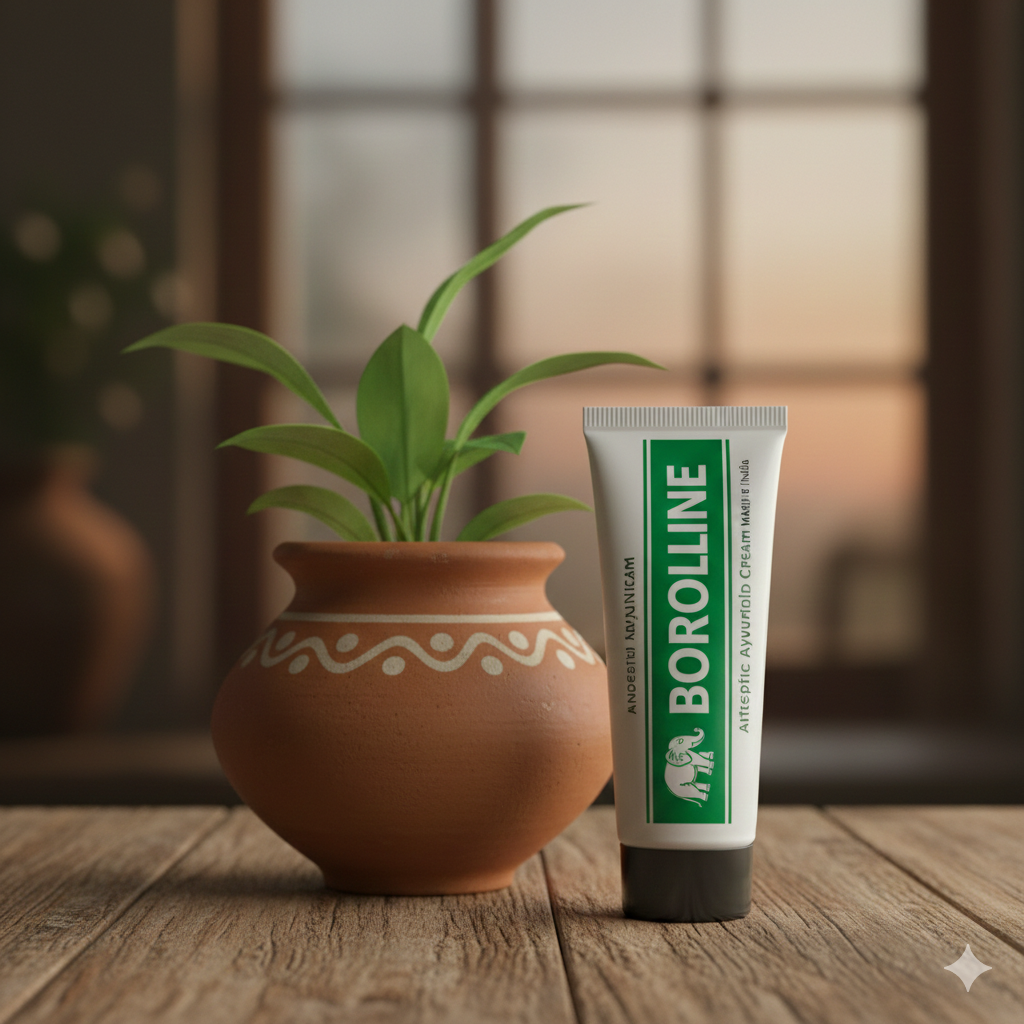
Bengalis and the antiseptic cream, Boroline, go back a long way. In fact, I remember how my grandmother would value this messy moisturiser (sorry, if I hurt the cream-y sentiment of someone) and I can vouch that it occupies a hallowed place in every Bengali household even today. Boroline is a cure to almost anything and everything but it steals the spotlight when there is a nip in the air. For boosting the immune system, a Bengali solely relies on ‘komola lebu’or oranges and its multi-purpose peel. Not a single day can pass by without a sure shot of this very form of vitamin C and skipping it can lead to panic and censure, to put it mildly.
But then this immunity-hoarding Bengali goes weak in the knees at the very sight of ‘nolen gur’ (jaggery) and its numerous manifestations during this time of the year. Ask a quintessential ‘Bangali’ what the delectable sight of neatly arranged trays of ‘nolen gur sandesh’ spells for him and the wholesome smile on his face will be the answer. But why must only Bengalis bear the brunt of gluttony? The sweets are so moreish that one can hardly control his cravings and refrain from asking more. The well-known ‘Kolkata-r rosogollas’ are also made out of ‘gur’ in this season. Also, the famed ‘nolen gur payesh’ is a staple sweet for every winter event but only after it has been offered to the Goddess, ‘Maa Kali.’
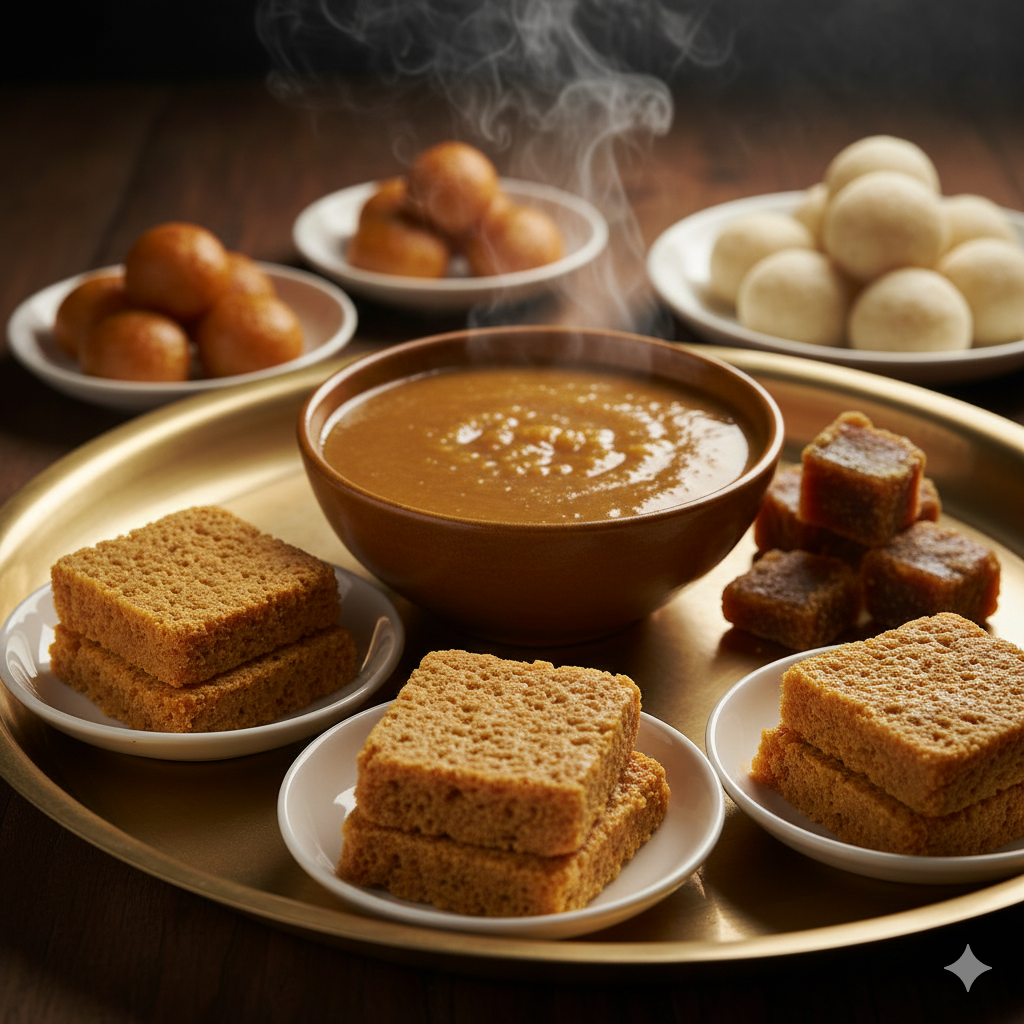
Perhaps it wouldn’t be an exaggeration to admit that ‘nolen gur,’ the miraculous sap, is the secret stuff that a Bengali’s dreams are made of. It can be indulged in different forms like ‘jhola gur,’ a thick caramelly syrup or ‘patali,’ a brown, chunky form. No matter the manifestation, it is the distinctive dessert of almost every Bengali meal from November onwards.
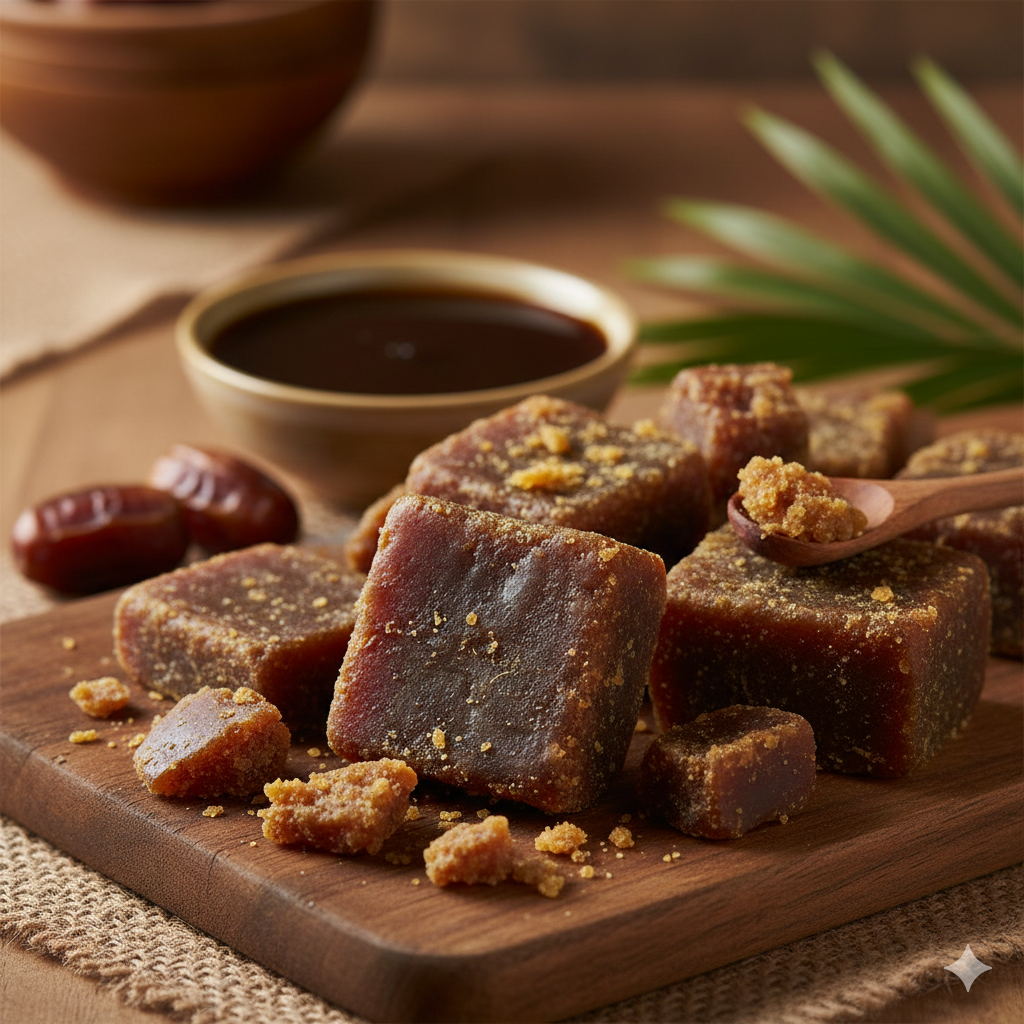
I am reminded here of the avant-garde Bengali poet, Sukumar Ray, who mentioned the hearty jaggery in one of his famous lines.
“Kintu shobar chaite bhalo/ Pauruti aar jhola gur” (The choicest of all food is bread along with ‘jhola gur’)
Nonetheless, we can barely ignore the rich milky aroma of the ‘pithe-puli’ (various versions of rice cakes) that Bengali homes are infused with during these indolent days. They add warmth and cheer not only to the disposition of Bengalis but also in the way they extend it to their relatives and dear ones. Food and ‘adda’ is not restricted to rooms and indoors but find fruition and satisfaction through picnics and in outdoor settings. Interestingly, Bengali winter weddings are the best occasions to witness the unique relation that Bengali fashion, food, culture and care have with ‘sheetkaal’ (winter season).
You can neither take ‘Mela’ out of Bengal nor a Bangali out of a ‘mela’. Bengalis are fanatics as far as fairs are concerned. Be it the indigenous Poush Mela, the Hastashilpa (handicrafts) Mela, the Saras Mela for promoting rural artisans, the Sabala Mela to empower members of Self-Help Group or the popular Gangasagar Mela, and of course the Christmas fairs, Bengalis are always there to make the most of each one of them. However, it is the Book Fairs that become the biggest attraction of winters where intellectuals intermingle and cerebration is celebrated.
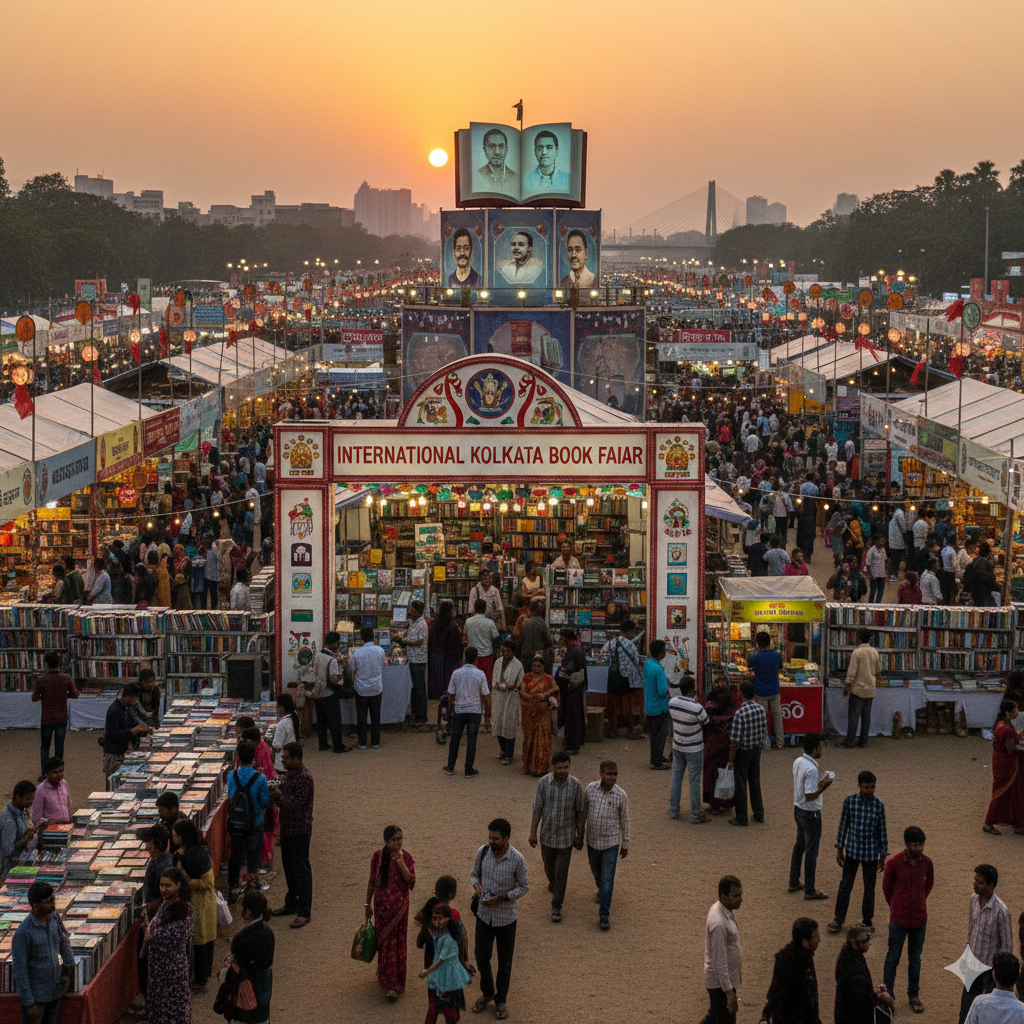
And it is here that I would like to take a pause from the most gratifying preoccupation of every ‘Bangali’ … “golpo kora!” (to tell a tale or hold a conversation!) Whether a Bong or not, it’s now your turn to continue spinning the yarn by telling us what winter whispers to you and what you do to make it vibrant and warm.

By Promita Banerjee Nag
An avid word enthusiast and content-churner, Promita is fuelled by novel writings, ideas and light-hearted banter. A teacher by passion, she treads the path of unequivocal learning with and through her students. Mother, music and ‘mishti’ mostly convince her. If you wish for a tête-à-tête, feel free to reach out to her at promita033@gmail.com.
14 Responses
Indebted to you for once again taking me seamlessly across the memory lanes seasoned with Bador tupi, boroline, nolen gur, pithey puli…keep firing Lady!!!!
Indebted to you for once again taking me seamlessly across the memory lanes seasoned with Bador tupi, boroline, nolen gur, pithey puli…keep firing Lady!!!!
Indebted to you for once again taking me seamlessly across the memory lanes seasoned with Bador tupi, boroline, nolen gur, pithey puli…keep firing Lady!!!!
How wonderfully you have encapsulated all the facets! Boroline!!! We write an ode to it every day, even if invisible! The gastronomic delights of Bengali winters is a completely different world!
How wonderfully you have encapsulated all the facets! Boroline!!! We write an ode to it every day, even if invisible! The gastronomic delights of Bengali winters is a completely different world!
How wonderfully you have encapsulated all the facets! Boroline!!! We write an ode to it every day, even if invisible! The gastronomic delights of Bengali winters is a completely different world!
How wonderfully you have encapsulated all the facets! Boroline!!! We write an ode to it every day, even if invisible! The gastronomic delights of Bengali winters is a completely different world!
Such a beautiful piece Promita ♥️ Cannot help but identify with so much of it! And to be honest , since Bengalis are a nostalgic lot(and I mostly love this), the love for warm sunshiny corner of the garden is still my parents’ favourite spot and the boroline is still omnipresent on my mother-in-law’s side table! And as I grow older, I believe I am happily embracing more than just the nolen gur ☺️
Such a beautiful piece Promita ♥️ Cannot help but identify with so much of it! And to be honest , since Bengalis are a nostalgic lot(and I mostly love this), the love for warm sunshiny corner of the garden is still my parents’ favourite spot and the boroline is still omnipresent on my mother-in-law’s side table! And as I grow older, I believe I am happily embracing more than just the nolen gur ☺️
Such a beautiful piece Promita ♥️ Cannot help but identify with so much of it! And to be honest , since Bengalis are a nostalgic lot(and I mostly love this), the love for warm sunshiny corner of the garden is still my parents’ favourite spot and the boroline is still omnipresent on my mother-in-law’s side table! And as I grow older, I believe I am happily embracing more than just the nolen gur ☺️
Such a beautiful piece Promita ♥️ Cannot help but identify with so much of it! And to be honest , since Bengalis are a nostalgic lot(and I mostly love this), the love for warm sunshiny corner of the garden is still my parents’ favourite spot and the boroline is still omnipresent on my mother-in-law’s side table! And as I grow older, I believe I am happily embracing more than just the nolen gur ☺️
Such a beautiful piece Promita ♥️ Cannot help but identify with so much of it! And to be honest , since Bengalis are a nostalgic lot(and I mostly love this), the love for warm sunshiny corner of the garden is still my parents’ favourite spot and the boroline is still omnipresent on my mother-in-law’s side table! And as I grow older, I believe I am happily embracing more than just the nolen gur ☺️
Such a beautiful piece Promita ♥️ Cannot help but identify with so much of it! And to be honest , since Bengalis are a nostalgic lot(and I mostly love this), the love for warm sunshiny corner of the garden is still my parents’ favourite spot and the boroline is still omnipresent on my mother-in-law’s side table! And as I grow older, I believe I am happily embracing more than just the nolen gur ☺️
Such a beautiful piece Promita ♥️ Cannot help but identify with so much of it! And to be honest , since Bengalis are a nostalgic lot(and I mostly love this), the love for warm sunshiny corner of the garden is still my parents’ favourite spot and the boroline is still omnipresent on my mother-in-law’s side table! And as I grow older, I believe I am happily embracing more than just the nolen gur ☺️