





I was introduced to the term LGBTQ when I was perhaps in high school, and yet, it was just three words: Homosexual, Gay or Lesbian. People who like those of their own gender, that’s it, that’s all I knew. And honestly, I wasn’t encouraged to probe further, taboo that it was.
It would still have been, lest the newspapers, pride parades, books and exposure I gained. But the stigma was always there. I remember arguing with an educated, emancipated colleague of mine who called homosexuality a Beemari. But at least she was open about her opinion, there are so many I know who hold that hidden aversion to the LGBTQ folks.
September 2018 and Section 377
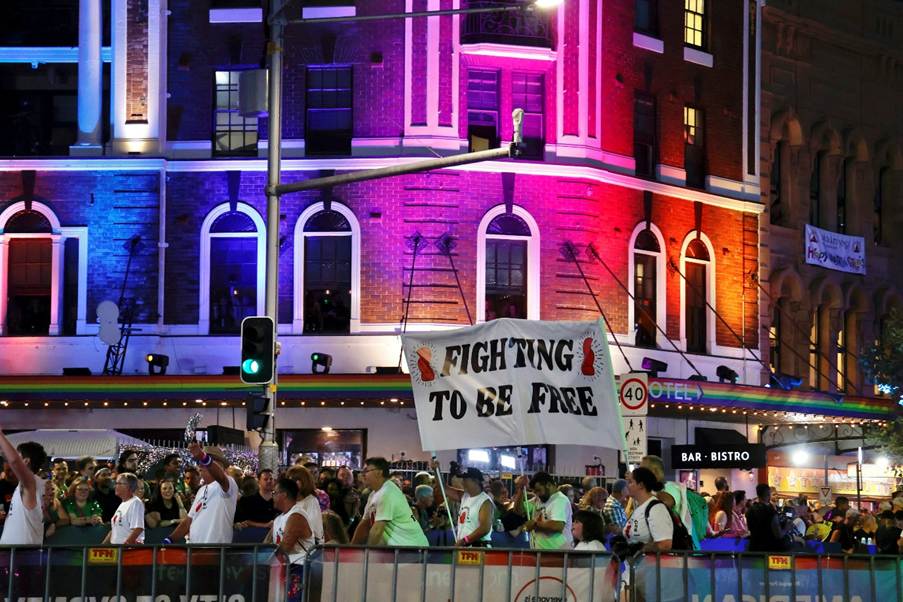
But then, in 2018, something happened. The Supreme Court of India struck down Section 377 in a landmark decision. Initially, I had no clue about what 377 meant, and why there was such celebration, so much happiness amongst those who were being marginalized for choice.
So, what exactly is Section 377? How do you define the journey of the LGBTQ community in India, from 1947 to March 2026? And what has happened now?
The earlier law governing LGBTQ individuals in India was Section 377, introduced in 1861 during British colonial rule. This law criminalised “carnal intercourse against the order of nature,” which was interpreted to include same-sex relationships. As a result, LGBTQ individuals were treated as criminals. Section 377 reinforced societal prejudice and discrimination against LGBTQ community. Even though prosecutions were relatively rare, the existence of the law enabled harassment, blackmail, and marginalization of LGBTQ people.
Surprisingly, the British didn’t impose such rules back in the UK, but we somehow stuck with them from 1947 till 2018.
It so happened that over time, activists and human rights organizations challenged the constitutionality of Section 377. The abolishment of 377 effectively decriminalized homosexuality in India. It marked a historic shift, LGBTQ individuals were no longer criminals in the eyes of the law. The judgment also acknowledged that sexual orientation is an essential aspect of identity and deserves constitutional protection.
The LGBTQ community was granted the right to love, the right to live, and the freedom of expression. Newspapers, news channels, and social media were flooded with happy faces applauding and rejoicing.
I lauded the decision too, Live and Let Live, after all.
Same-Sex Marriages Aren’Legal
However, while decriminalization was a major step forward, it did not automatically grant equal rights in all aspects of life. The current legal framework in India recognizes the right of LGBTQ individuals to exist, express themselves, and form relationships, but stops short of granting full legal recognition to those relationships.
Same-sex marriages were never legalized. I realized this while researching for a few stories of mine, and it’s painful to know that same-sex couples can neither legalize their union into marriage, nor can they adopt a child.
2023, but no Amendment
In 2023, the Supreme Court addressed this issue but declined to legalize same-sex marriage, stating that such recognition falls within the domain of the legislature (Parliament), not the judiciary.
While the Court affirmed that LGBTQ individuals have the right to choose partners and live together, it refused to extend marriage rights under existing laws like the Special Marriage Act. This creates a contrast between the earlier and current legal positions. Earlier, LGBTQ individuals faced criminalization which was the harshest treatment that could be meted out for love by choice. Now they weren’t ‘Criminals’ and could enjoy certain fundamental rights, but still had to fight for legal recognition in areas such as marriage, adoption, inheritance, and spousal benefits.
Present Day, March 2026
In March 2026, the Indian Parliament passed the Transgender Persons (Protection of Rights) Amendment Act, 2026, which was subsequently approved by the President of India, making it law. The bill introduced major changes to the earlier 2019 Act, particularly in how transgender identity is legally recognized.
One of its most significant provisions was the removal of the concept of “self-perceived gender identity,” replacing it with a requirement for certification by a medical board or government authority. This marked a fundamental shift from earlier legal principles established by the Supreme Court, which had recognized the right of individuals to self-identify their gender as part of their fundamental rights. The new law narrows the definition of “transgender person,” potentially excluding non-binary and gender-fluid individuals from legal protection.
In short, a person could identify himself/ herself as queer or homosexual, but not legally, unless it’s proven. Medically. Unless you are Trans, by sex reassignment operation. Self-identification, privacy, personal dignity and autonomy won’t work anymore, medical scrutiny has been introduced.
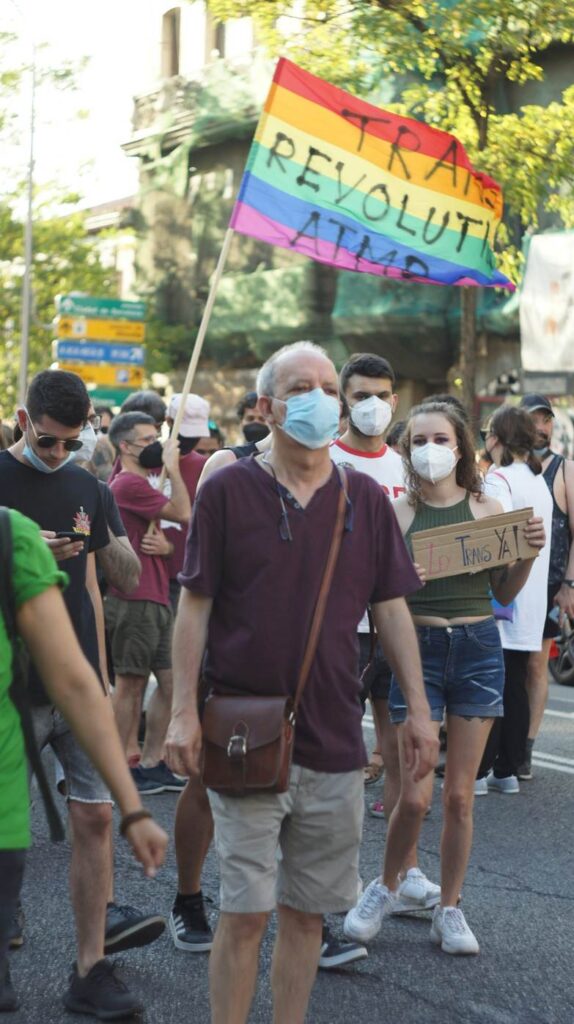
Protests have been reported across the country, with many claiming that the law reverses progress made in earlier judgments. Critics are calling the decision regressive, calling the requirement of a medical examination invasive and discriminatory.
Freedom of Self-Identity
I might be a nobody, but I, too, have my opinions. LGBTQ is a wide spectrum, many who identify with the pride in the rainbow flag may not require a medical certificate to prove their sexual orientation. I believe it’s totally a matter of personal choice, which has to be respected, with zero judgement whatsoever.
But the new legal framework creates a gap between legal decriminalization and social acceptance. Many sections of Indian society still hold conservative views regarding sexuality, influenced by cultural, religious, and traditional beliefs. The new bill only boosts the stigma by snatching individual identity.

Conclusion
India made remarkable progress by abolishing Section 377, to recognizing the fundamental rights of LGBTQ individuals. However, the journey toward full equality is still ongoing. The current legal framework, while progressive compared to the past, remains incomplete due to the absence of marriage rights and the introduction of controversial provisions like those in the 2026 amendment for Medical Scrutiny.
As long as every human isn’t granted the right to love, to live, to nurture, to prosper, how do we progress, as a nation? How do we create a safe space for all our children?

By Preethi Warrier
Preethi Warrier has completed her Masters in Electronics Engineering and is an Assistant Professor. She is one among the winners of the TOI Write India Campaign Season-1, for the famous author Anita Nair. She can be contacted at : warrier.preethi@yahoo.com







Yes, it’s still a long and arduous journey for many.
True
What a sincere and sensitive handling of such a serious issue!
Your piece also puts forth the right probes that we need to ponder on at present…appreciate it…
Thank you
Very nice article. Enjoyed reading it
Very nice article.enjoyed reading it.
This article reflects the strength, resilience, and ongoing journey of India’s LGBTQ+ community toward equality and acceptance. It’s encouraging to see more platforms discussing inclusion, identity, and human rights with honesty and respect. Conversations like these help create awareness and inspire positive social change across generations.
For readers exploring modern wellness and relationship-focused products with privacy and comfort, Teentoy offers discreet shopping and a wide collection designed for adults seeking confidence, connection, and personal well-being. Respect, inclusivity, and safe spaces truly matter in today’s evolving society.