




Theme for 2026
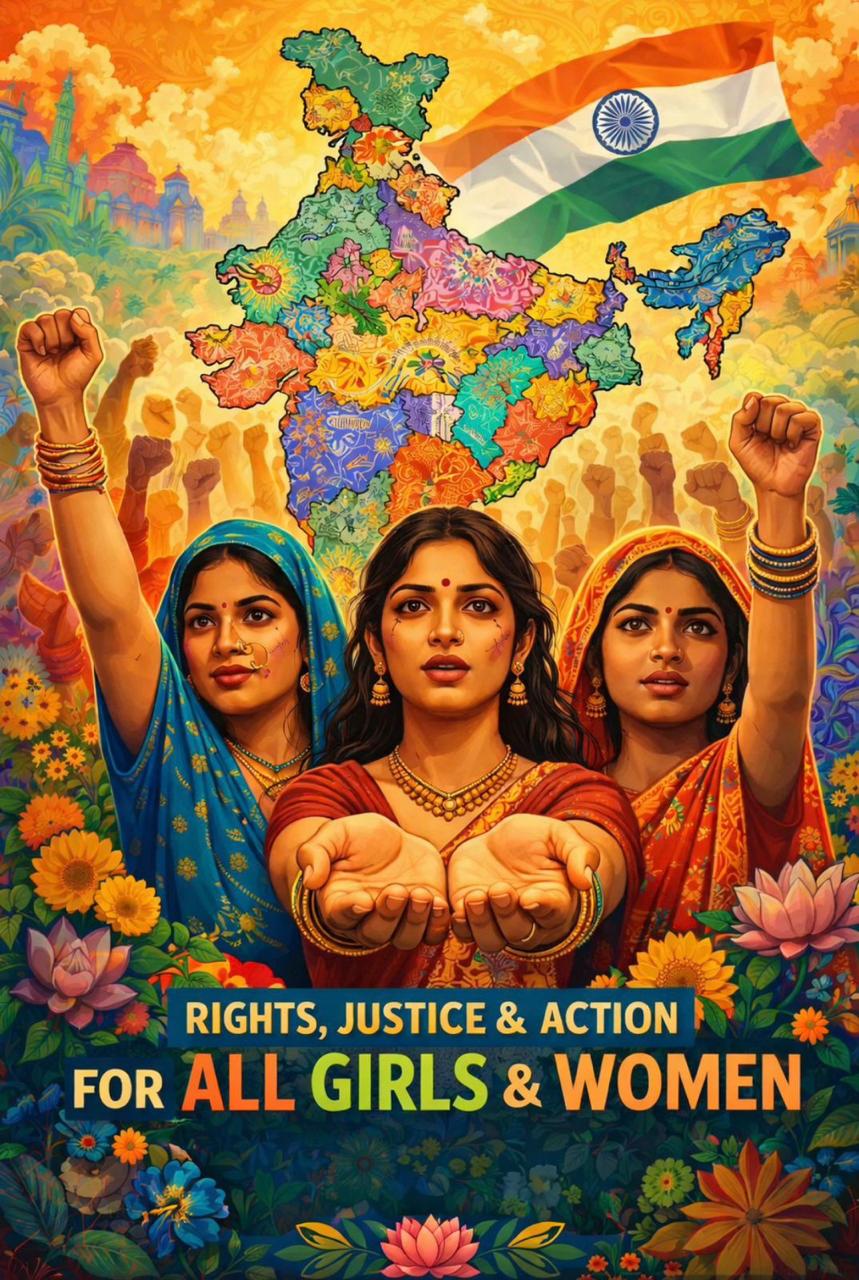
When I sat down to write this piece, out of plain curiosity, I googled the theme for this year’s Women’s Day. It is GIVE TO GAIN, which reinforces the need for inclusion of and partnership with women. A mindset that promotes the power of reciprocity with women across communities, corporations and countries. A call for an intentional and intensive drive in every aspect and arena to create an egalitarian and wholesome world-society.
I was disheartened. That was my instinctive reaction and a candid confession at that. It made me aware of the reality of women, today, at this moment, when she is still in need of support to rise and thrive.
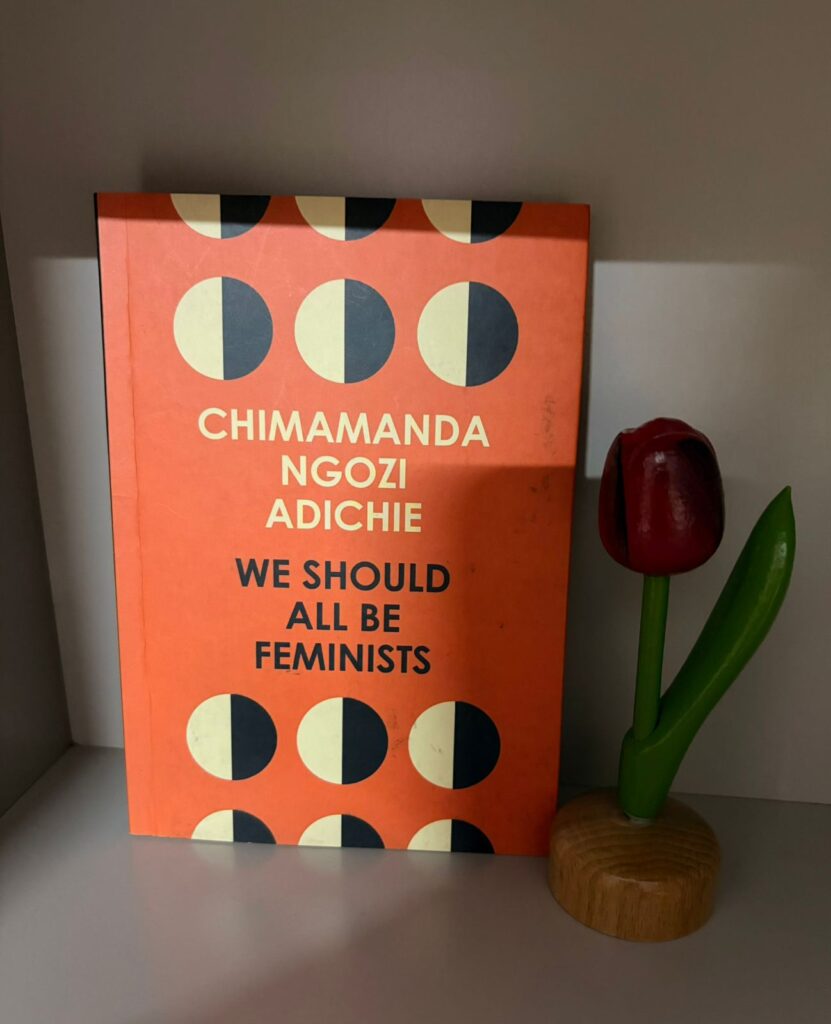
I was reminded of an essay that was first published more than a decade back. We Should All Be Feminists by Chimamanda Ngozi Adichie is a talk where the Nigerian author presents the restrictive and regressive nature of gender inequality and the need for raising “our sons differently.” Of course, the parameters and perspectives of the discussions are different but the pressing concerns of women, prevail and permeate. Needless to say, Adichie was neither the first nor the last one to ask for a fairer world in which “All of us, women and men, must do better.”
Gaining the outlook on Giving…
Perhaps, it wouldn’t be an exaggeration to recollect Malala Yousafzai’s words, when she says, “Extremists have shown what frightens them most. A girl with a book.” In that case, equal opportunities for knowledge, education and resources should be the foremost step towards this momentum for gender equality. This certainly calls for dismantling discrimination and subverting stereotypes at the most rudimentary levels. Currently, a noticeable gender gap of 10-15% exists between the literacy rates of males and females in India. As individuals, we can contribute by planning, saving and investing in our daughter’s education and career instead of or alongside her marriage and materialistic requirements.
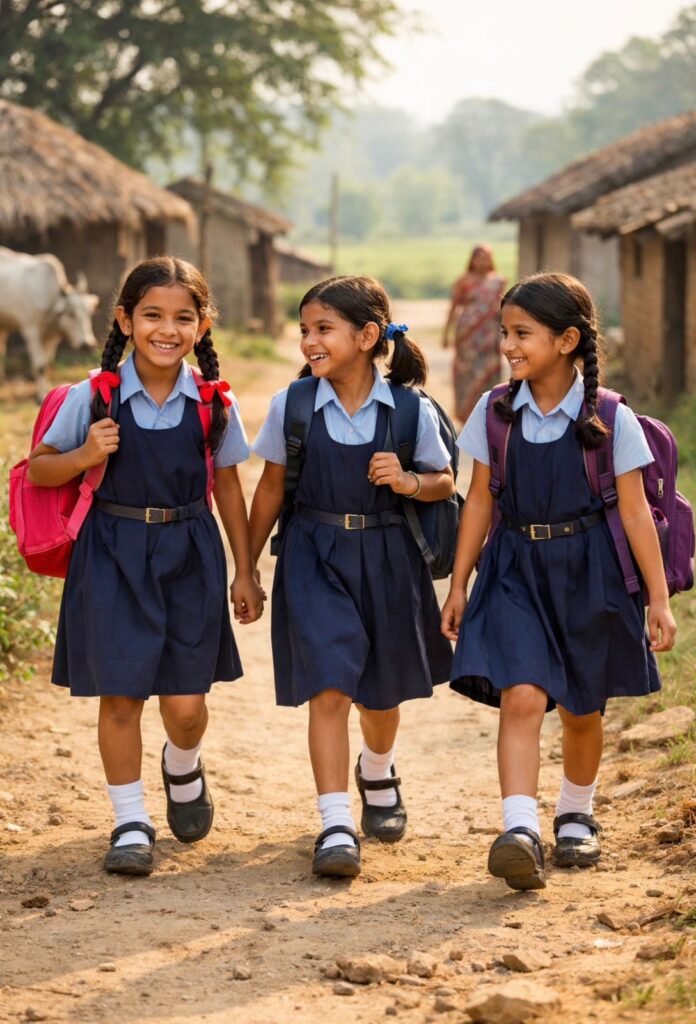
“One is not born a woman, but becomes one.” Let us imbibe the real essence of this powerful quote by Simone de Beauvoir from The Second Sex and separate sex (biological) from gender (social) by unlearning and undoing all that was learnt and leveraged for so long. Giving visibility and voice within our own spaces could surely serve as a starting point in championing the cause and overtly paying respect. Take a look within or outside and you will agree that most homemakers, even right now, feel taken for granted and valueless. There are multiple landmark developments in Indian law acknowledging the indisputable contribution of the housewife in the seamless and successful operation of a unit and legislations favouring them. Nonetheless, the overwhelming acceptance of narratives presented through popular cinema like Haq and award-winning books like Heartlamp: Selected Stories by Banu Mushtaq point to a reality that is a far cry from the printed rules and regulations.
The situation gets more stressful for the woman with the ‘double burden.’ She is expected to balance her paid employment with unpaid domestic responsibilities, including child care and elderly care and is compelled to bear the brunt of the ‘double shift.’ Such a woman ought to be given the gift of time, rest and reassurance of sharing the liabilities and the load alike.
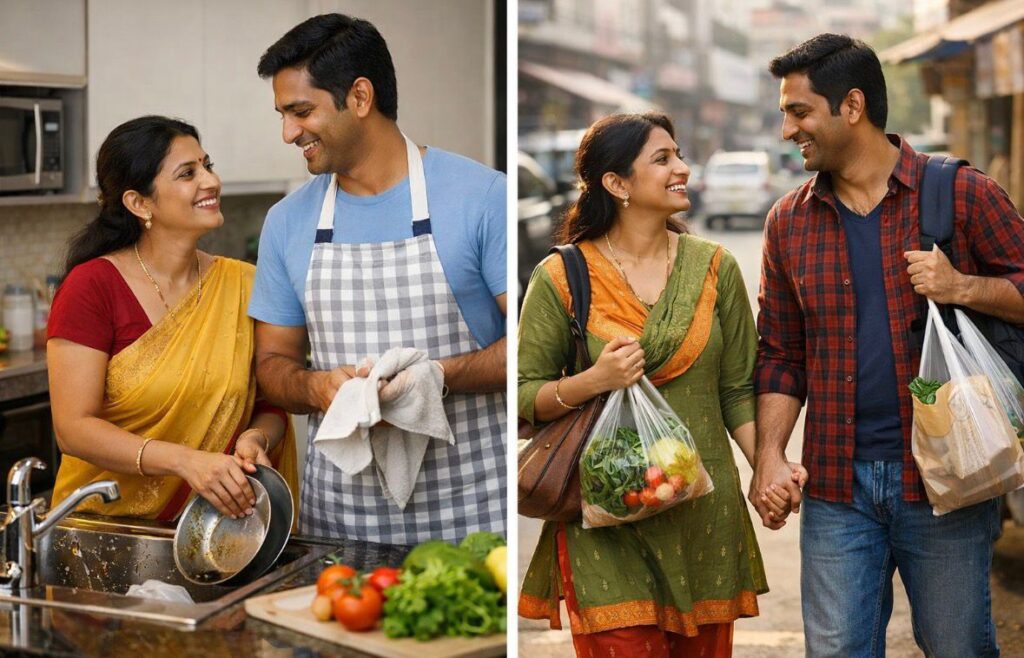
“If we see the same thing over and over again, it becomes normal… If we keep seeing only men as heads of corporations, it starts to seem ‘natural’ that only men should be heads of corporations.” Adichie’s words echo the veracity of Wangari Maathai, the Nobel Peace laureate’s concern when she confirms that “The higher you go, the fewer women there are.” Now that sounds controversial, doesn’t it? Yes, we do have Indian women in the most influential leadership roles like Droupadi Murmu, President of India; Nirmala Sitharaman, Finance Minister of India; Gita Gopinath, First Deputy Managing Director of the International Monetary Fund; Leena Nair, Global CEO of Chanel and many others in Government, Public, Corporate and Economic sectors. Nonetheless, the vast majority of women is waiting to be given equal opportunities to gain dynamic innovation and flexibility to gain higher retention in every vista and vertical.
The Non-Negotiable Grants!
Under Article 39(d) and Article 42, the Constitution of India guarantees equal pay for equal work for both men and women. However, a disgraceful gender pay gap of 20-30% still persists. Here it is worth reckoning that in several specific sectors like entertainment, women are given significantly lower remuneration than their male counterparts for the same work and delivery. This needs to be immediately and aggressively addressed and women need to be given that which they rightfully deserve.
To feel safe is every woman’s right. Give her safe looks, safe touch, safe feel and safe surroundings. And believe me, that’s the least that you can give irrespective of her age, assessment or apparel. While Abhayas and Nirbhayas scream once and are silenced every second, while women are physically scathed and mentally scarred by their own and others, what do you think we can give to women more than humanity and harmlessness? On 15th January, 2026 a 14-year-old minor girl was abducted and gang raped in Kanpur, Uttar Pradesh and one of the accused was a Sub-Inspector himself. Do we need to say more what should be given to a woman and for what gain?
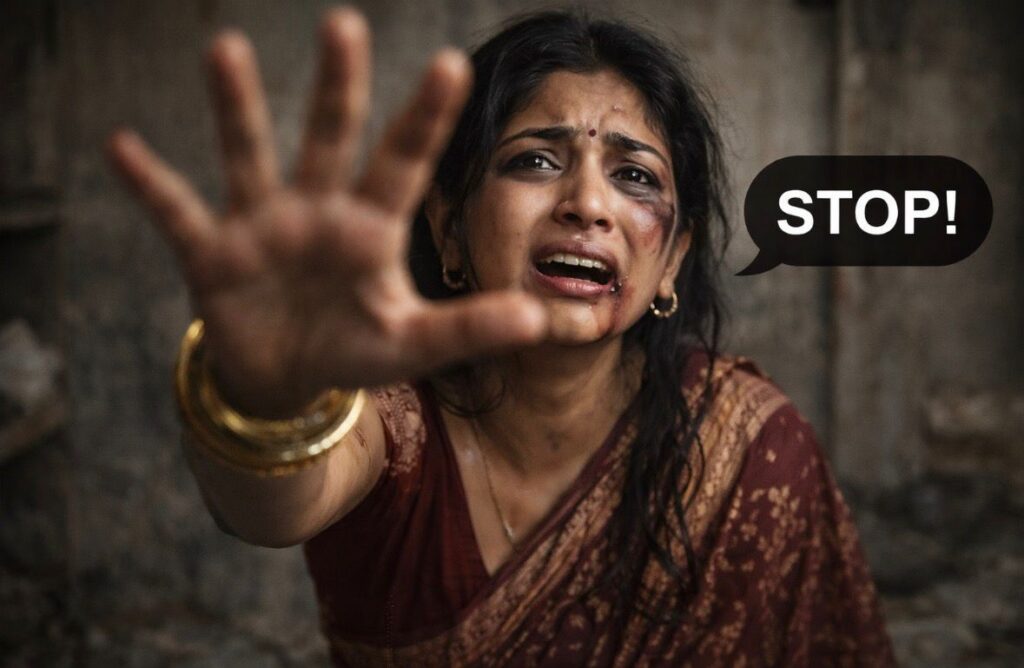
Only when women are given back, can stronger communities and sustainable ecosystems be gained. Giving women what is theirs is a multiplier for growth at all levels due to the ripple effect that is generated outwards from the microcosm to the macrocosm.
Evolution in Gender?
“Gender is not an easy conversation to have. It makes people uncomfortable, sometimes even irritable.” This Women’s Day, let us engage in dialogues of discomfort and discrimination to initiate and implement the ‘Give to Gain’ culture and commitment, not just for a day but always and everywhere. To appreciate and advocate gender equality, the ideas of and around gender need to evolve and upgrade. The prerequisite for such a change is an understanding of how women are and not how they should be.
Women are Givers. By sex and by gender. To give them what is theirs, individually or institutionally, is the only way to become a catalyst for collective care, phenomenal progress and universal well-being.
By Promita Banerjee Nag
An avid word enthusiast and content-churner, Promita is fuelled by novel writings, ideas and light-hearted banter. A teacher by passion, she treads the path of unequivocal learning with and through her students. Mother, music and ‘mishti’ mostly convince her. If you wish for a tête-à-tête, feel free to reach out to her at promita033@gmail.com.






Very beautifully penned. Give a woman her space, her choice, her freedom and some peace of mind. See how far ahead she can go, how content she will be.
So true!
Thank you…
Safe look. It’s unfortunate that even this isn’t something a woman receives freely. Very nicely written. Imagine how much different the world would have been had safety been never a concern for a woman…
Couldn’t agree more!
Thank you for resonating with my thoughts…
Very well researched article on the theme that women need to be given in order to gain from them. After all, one cannot pour from an empty cup.
Thank you Richa…
We as Women first need to stop depleting ourselves …before others stop asking more and more from us…
Very thought provoking.
Thank you Narayani…
This is such a well-researched and beautifully penned article. While reading and agreeing to so much of it, I realized that no matter how far we come as humans, independent women or those having the freedom to express ourselves so much more, we still have such a long way to go.
Such a pertinent and pressing observation…adds much to my article…
Thank you!