





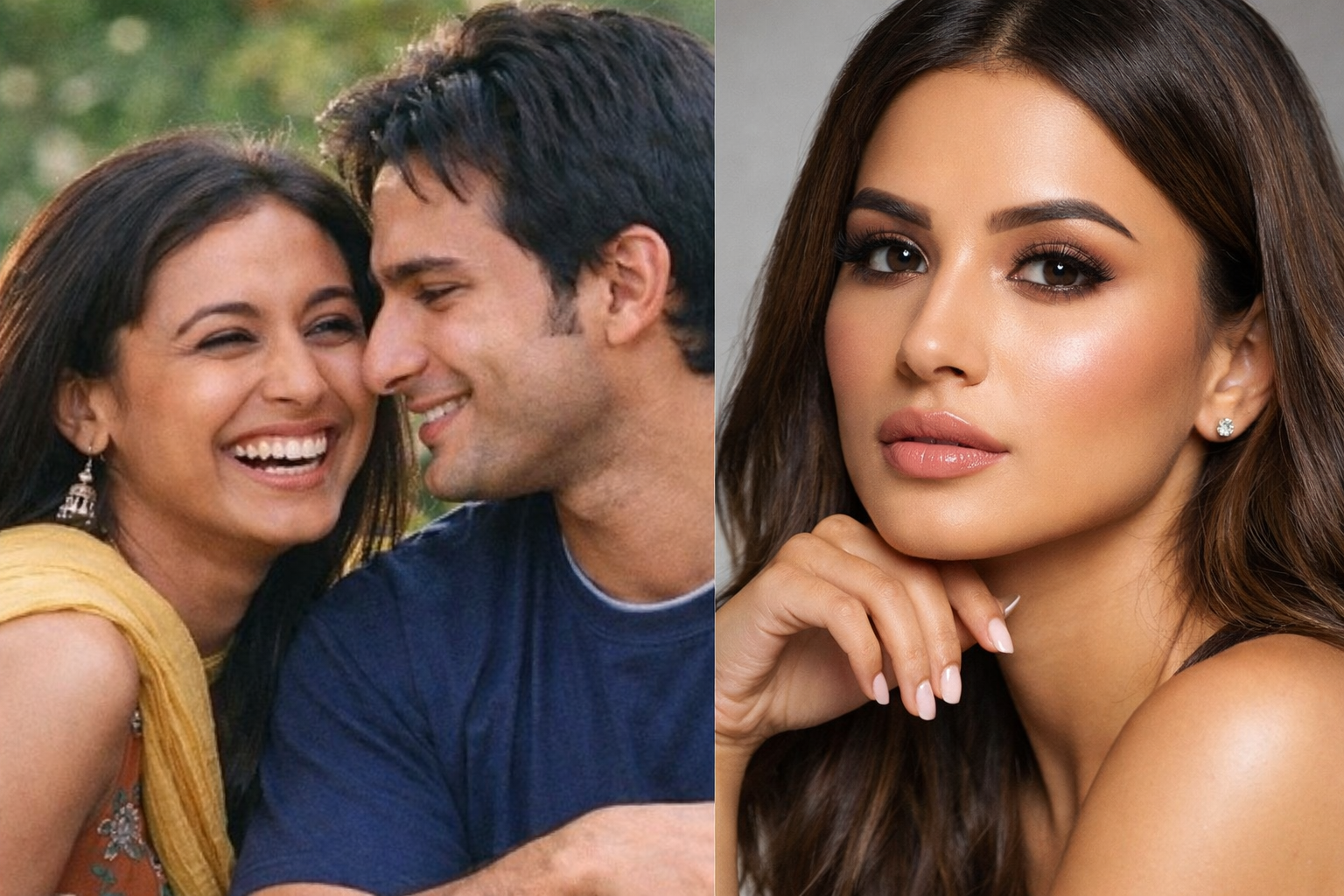

I have been binge watching old Hindi films lately. Somewhere between Saathiya, Dil Chahta Hai and Band Baaja Baarat I realised something unsettling and oddly comforting at the same time, which is that faces used to look like faces and not carefully negotiated settlements between dermatologists, injectables and Instagram algorithms. This alone made the stories feel warmer, funnier and far more human.
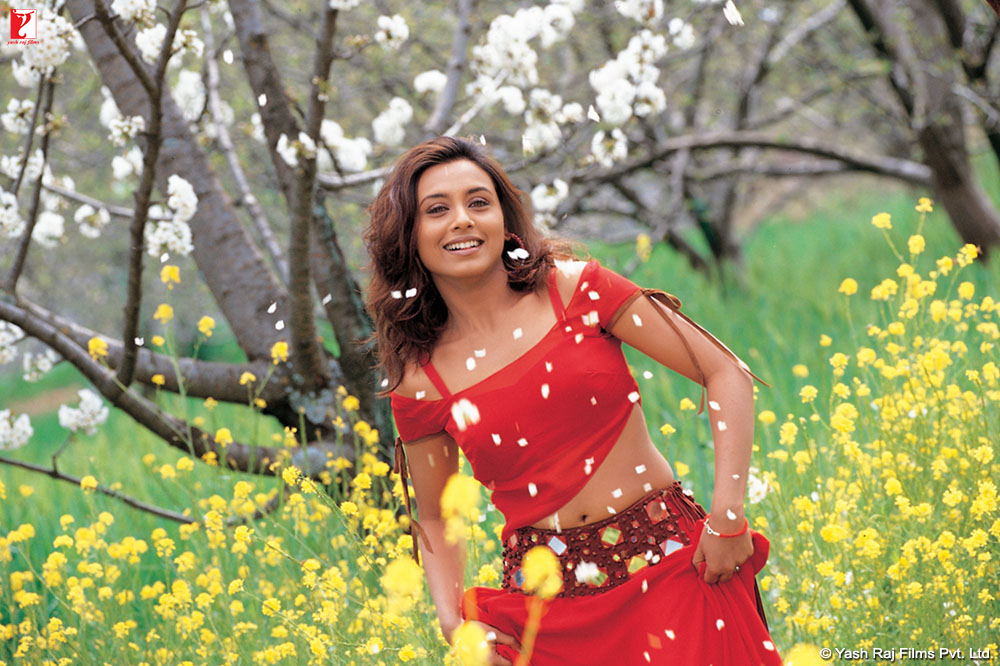
Take Rani Mukherjee in Saathiya, especially the song sequences where she is not wearing false lashes or sculpted brows but just mascara, kohl and a face that actually crumples when she smiles, and suddenly you believe she could be heartbroken, stubborn, annoying and lovable all in the same week. Or Preity Zinta in Dil Chahta Hai, whose expressions travelled freely from mischief to hurt without stopping at a filler-induced speed breaker, and you realise that half the charm of those films came from the fact that these women looked like people you might know, or at least people you might see arguing over coffee.
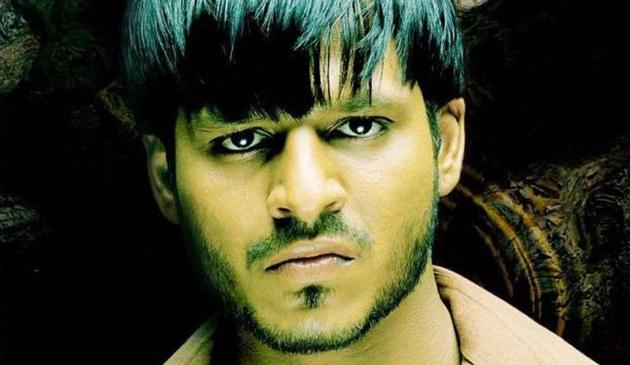
The men too looked believable, because Vivek Oberoi and Ranveer Singh did not resemble hyper realistic video game characters rendered in eight K resolution. They looked like boys next door with slightly uneven features and average bodies, and therefore when they failed or sulked or fell in love it felt earned. Because relatability is a powerful narrative tool and you cannot manufacture it with protein powder or CGI abs, no matter how aggressively you try.
Now compare that to the current landscape where many young actresses appear to be competing in the same beauty pageant despite playing different characters, with identical lips, suspiciously immobile foreheads and cheeks so smooth they look like they have been laminated. It becomes genuinely hard to tell whether a character is shocked, sad or simply waiting for the anaesthesia to wear off, because when faces stop moving freely, acting quietly exits the building.
This is not a personal attack and certainly not a moral sermon, because everyone has the right to do what they want with their body; enhance, tweak, smooth, lift, repeat. But the problem is not individual choice, the problem is the collective aesthetic they end up creating, which is so narrow and artificial that it begins to look less like beauty and more like mass production. It resembles a kind of cinematic fast fashion where everyone wears the same face in different outfits.
Even the men are not spared, because the pressure to look permanently shredded has turned male leads into walking gym brochures, and if they do not meet the physical brief naturally, technology steps in with digital assistance, except no amount of visual trickery can convincingly transform certain bodies into lean action figures. The result is a strange visual dissonance where the character feels less real than the special effects used to support him.
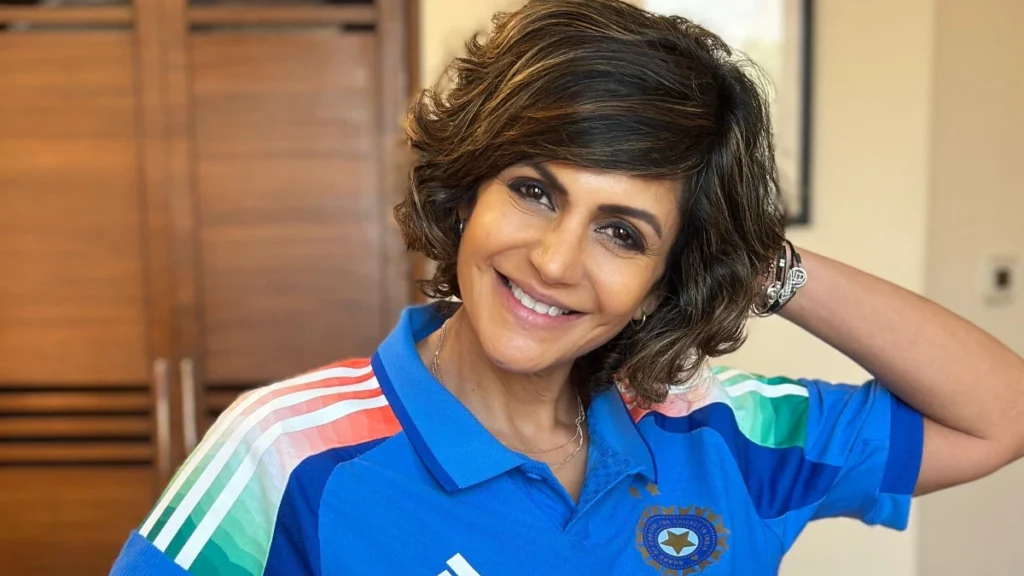
Recently I watched clips of Mandira Bedi and Soha Ali Khan, and I was struck by how refreshing it felt to see wrinkles, normal lips and skin that looked like it had lived a life, laughed, worried and aged without apology. The fact that this felt refreshing at all should make us pause, because ageing gracefully should not feel revolutionary in a culture that claims to celebrate authenticity.
What worries me more than actors making these choices is the message it sends to teenagers and young adults who are still forming their sense of self. When every successful face looks medically perfected, the subtext becomes brutal and clear which culminates into the obsession that looking human is no longer enough, that natural features are problems to be corrected, and that beauty is not something you grow into but something you purchase in instalments.
Add to this the growing obsession with imported beauty ideals, including hyper curated Korean standards that are beautiful but deeply specific. Suddenly we are asking an entire generation to chase an aesthetic that is not only anatomically impractical but also emotionally flattening and mentally exhausting.
Cinema once reflected life with all its asymmetry and imperfections, and now it increasingly feels like life is being asked to reflect cinema. This inversion, subtle as it seems, is the real tragedy, because when faces stop telling stories, films lose their soul, and no amount of perfection can replace the quiet magic of a face that can actually feel and emote!!

By Bahnika Sen
Bahnika Sen is a trader, fitness expert, and writer. She can be contacted at: bahnika23@gmail.com






Perhaps this is one of the reasons I have lost interest in contemporary cinema – faces that can’t emote. Thanks for writing this.
Thanks to OTT and regional movies , we still have something to watch.
So well put! The clone culture propelled by cinema will inevitably lead to death of sorts in days in come…
Very true.
So well put Bahnika. Women with fillers on their faces, all look alike. I was disappointed when I saw Aishwarya Rai and Sushmita Sen, women who have brought laurels to the country, feeling the need for filling and botox.
It feels so refreshing to see a real face now. At that time, the girls were all just normal everyday women, no size zero, or botox
levothyroxine pill
levothyroxine pill
colospa retard tablet
colospa retard tablet
cefixime 200
cefixime 200
fluconazole for yeast infection
fluconazole for yeast infection
prevacid otc 15 mg
prevacid otc 15 mg
avanafil stendra price
avanafil stendra price
furosemide 20 mg price
furosemide 20 mg price
zydena udenafil 100 mg
zydena udenafil 100 mg
vidalista buy online
vidalista buy online
levitra online india
levitra online india
So true you are, loved every bit and agree with your views completely. Such a refreshing and real article.