





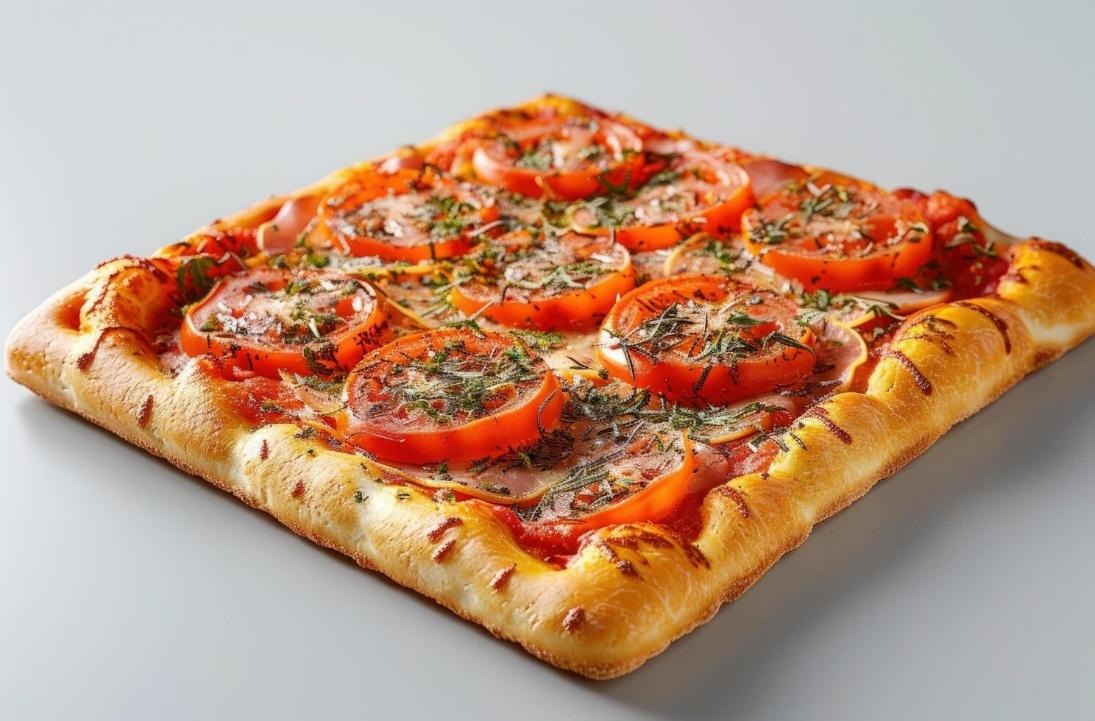

I am sure that everyone has come across the riddle – what is round and comes in a square box and is devoured in triangular slices? Pizza, right? Easy! According to Collins Dictionary, pizza is “a dish of Italian origin consisting of a baked disc of dough covered with cheese and tomatoes, usually with additional savoury toppings.” But a more sensory definition of pizza would be – pizza is comfort baked into a circle—a crisp base, molten cheese, and toppings that melt together into something far greater than their parts. Scrumptious, isn’t it?
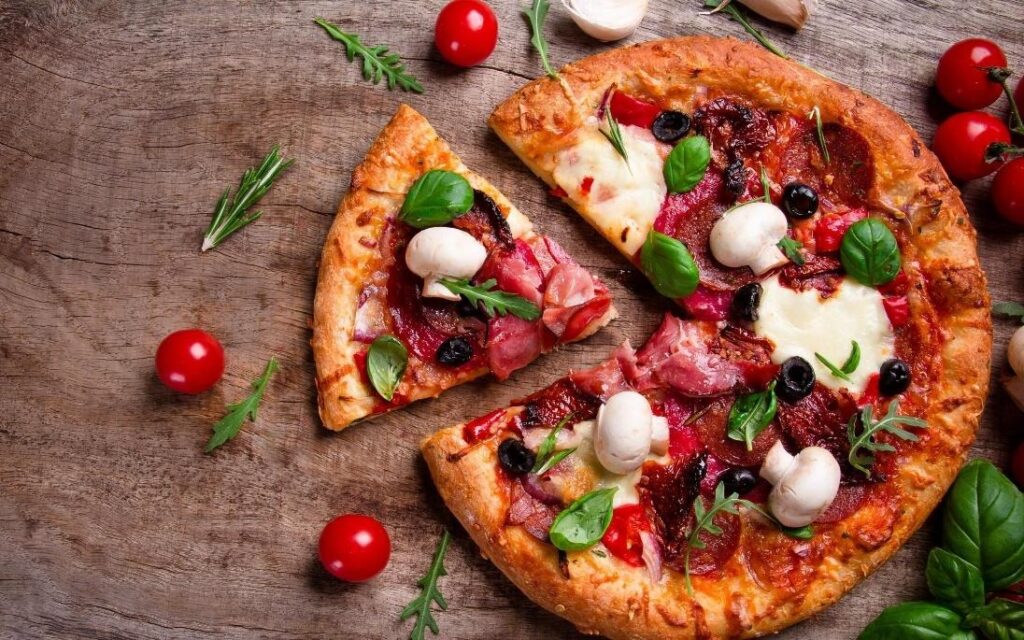
But did you know? There is a day dedicated to this gastronomical delight? Yes, you heard it right.
World Pizza Day – 9thFebruary
World Pizza Day is most commonly observed on 9th February across many countries as an informal, global celebration of pizza. 17th January is also recognised as World Pizza Day in Italy, rooted in tradition rather than global consensus. 17th January marks the feast day of Saint Anthony the Abbot, who is regarded as the patron saint of bakers and pizza makers. Saint Anthony is associated with fire and ovens, making him symbolically important to those who work with bread and baking. The Italian observance highlights pizza’s craft, heritage, and origins in Naples, rather than its worldwide spread. The global journey of pizza from Italy to the world is not tied to a single official date, but is instead acknowledged through the widespread celebration on 9th February. Together, both dates reflect pizza’s dual identity: a traditional Italian food and a global cultural favourite.
Historical Background of Pizza
The roots of pizza can be traced back to ancient flatbreads eaten in civilizations such as Egypt, Greece, and Rome. The modern form of pizza owes its development to Naples, Italy, during the 18th and early 19th centuries. It was supposed to be an affordable street food for the working class, sold by vendors and small bakeries. Tomatoes, which were once considered unsafe in Europe, became a defining ingredient of pizza in Naples. In 1889, Queen Margherita inspired the creation of Pizza Margherita, topped with tomato, mozzarella, and basil.
Pizza gained wider recognition in Italy before spreading internationally through Italian migration. The first pizzerias outside Italy appeared in the United States in the early 20th century. In due course of time, pizza evolved into numerous regional styles, adapting to local tastes worldwide. That is why we have, for example, momos pizza.
Today, pizza is considered to be both a traditional Italian dish as well as a global cultural icon.
Pizza as a Global Food
In the late 19th and early 20th centuries, pizza crossed Italian borders, largely through Italian migration. Italian immigrants introduced pizza to countries such as the USA. Travel and cultural exchange after World War II helped pizza reach Europe, Asia, and other parts of the world. This was made possible by globalization and international food chains. While travelling, pizza adapted to local ingredients, tastes and food habits. Toppings and flavours evolved in different countries to reflect local cuisines and preferences. Because pizza was adaptable, it became a universally accepted and loved food across cultures.
Cultural Significance of Pizza
Pizza is recognised as a symbol of Italian culinary heritage worldwide, playing an important role in social gatherings, celebrations, and shared meals. Representing togetherness and community, pizza is often eaten in groups. It even occupies a coveted place in popular culture, films, and social media. It retains its Italian identity but at the same time has adapted to various local influences, thus acting as a cultural bridge.
Modern-Day Pizza Trends
In the contemporary world, there has been a rise of artisanal and gourmet pizzas focussing on quality ingredients. At the same time, there has been a growing popularity of fusion and experimental toppings. The momos pizzas are a case in point. Vegetarian, vegan, and plant-based pizzas are growing in demand. Pizza trends are dictated by the influence of social media and online food culture. There has also been an expansion of do it yourself, home-baking, and sourdough pizza movements.

Why People Love Pizza
The most common factor responsible for the popularity of pizza is that it is customisable, appealing to different tastes and preferences. It is associated with comfort, familiarity, and nostalgia, combining appealing flavours, textures, and aromas. It is easy to share, making it a social and inclusive food.
How World Pizza Day is Celebrated
9th February is often marked by restaurants and pizzerias rolling out special discounts, offers, and combo deals. They often launch limited-time menus or promotional pricing. Some cities and restaurants organise pizza-themed events and tastings. At home, people celebrate by ordering pizza, hosting pizza parties, or making pizza together. They post photos, recipes, and experiences on social media. Thus, casual, joyful celebration, sharing, and relishing pizza are the hallmarks of World Pizza Day.
Fun Facts about Pizza You Might Not Know
Yes, pizza is round but the box is square. The reason? In the 1960s, square boxes were cheaper to produce and easier to stack.
In 2012, in Rome, chefs baked the world’s largest pizza: 1,261 square metres!
In 2017, the art of Neapolitan “pizzaioli” was declared UNESCO Intangible Cultural Heritage of Humanity, recognising not just the dish, but the tradition and craftsmanship behind it.
Conclusion
I am sure after reading about this culinary delight, all you want to do is grab a slice of pizza and dig in! Which one is your favourite? Mine is double cheese crusted veggie delight. Yours could be anything from farmhouse pizza to chicken sausage pizza, cheese volcano BBQ chicken pizza, or momos pizza. Whichever it is, now you even know of a date on which you can officially savour it without any guilt – World Pizza Day!

By Richa Verma
Richa is an online English teacher, independent blogger, voracious reader, movie buff who is smitten with wanderlust, and a homemaker. She can be contacted through her email address richavermamh@gmail.com










Wow, a well researched article.It gives a good information regarding origin to celebration of Pizza.
I am already drooling 😋
Wow, a well researched article.It gives a good information regarding origin to celebration of Pizza.
I am already drooling 😋
Wow, a well researched article.It gives a good information regarding origin to celebration of Pizza.
I am already drooling 😋
Well researched and insightful article on Pizza 🍕🍕