






A Tumultuous Week of Change
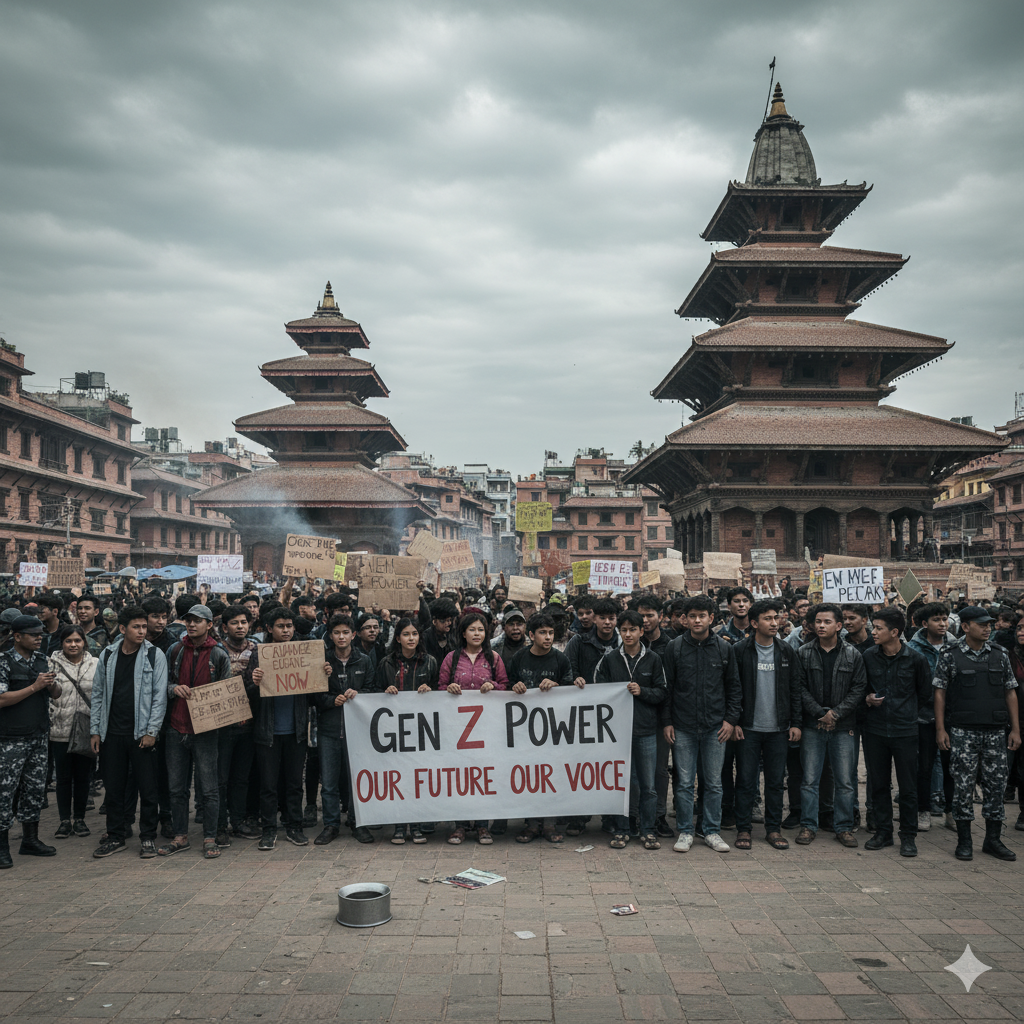
Last week was a challenging period, as we witnessed a historic event unfold in Kathmandu, Nepal. The youth-led revolution, spearheaded by Gen Z, successfully overthrew the ruling party and established a new government, leading to violence and casualties, followed by a strict lockdown and curfew. Rationing and acute scarcity became a daily reality, and the once bustling streets remained empty and desolate. It was a week marked by uncertainty, helplessness, and deeply depressing events.
Finding Hope Amidst Devastation
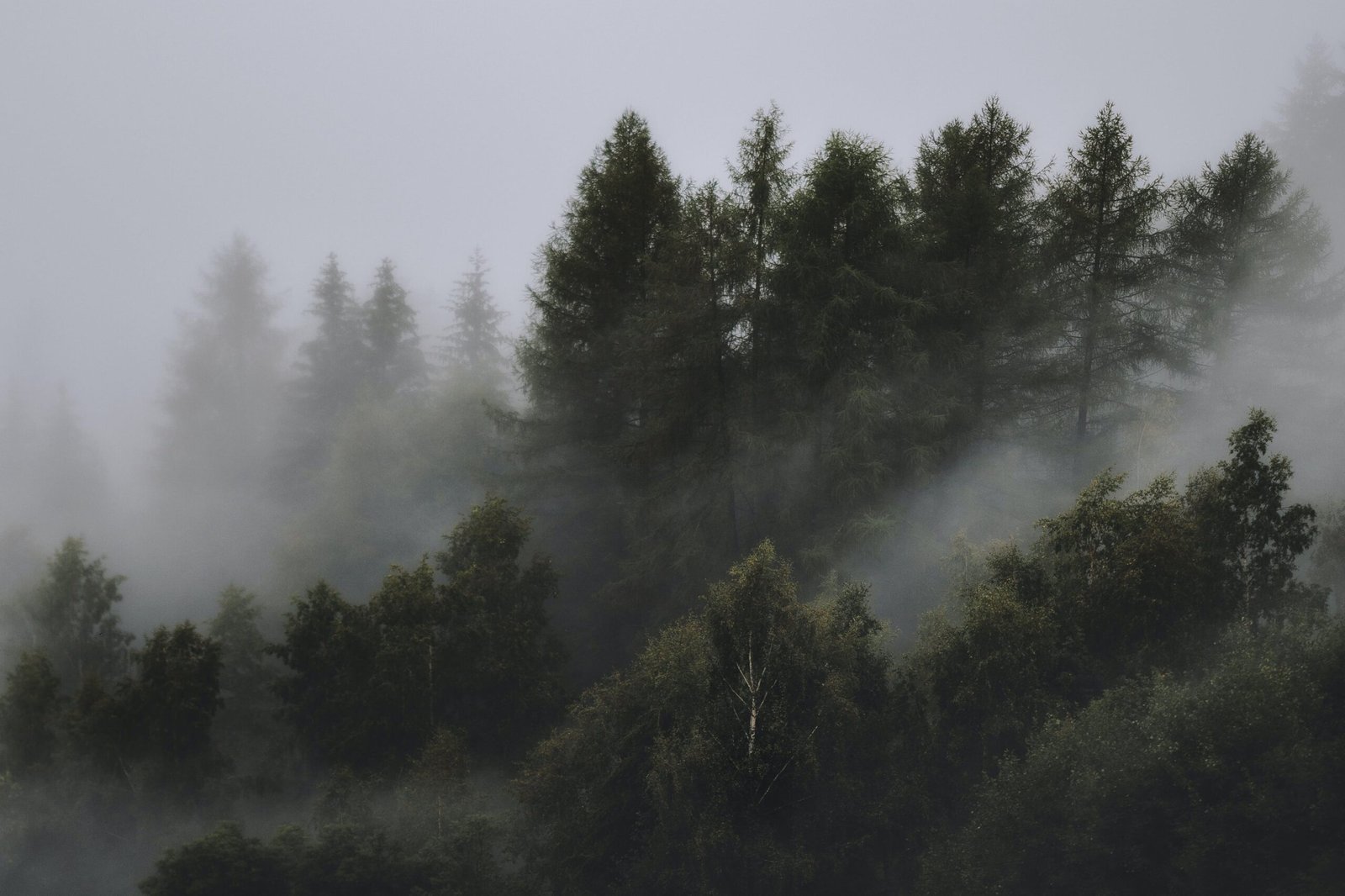
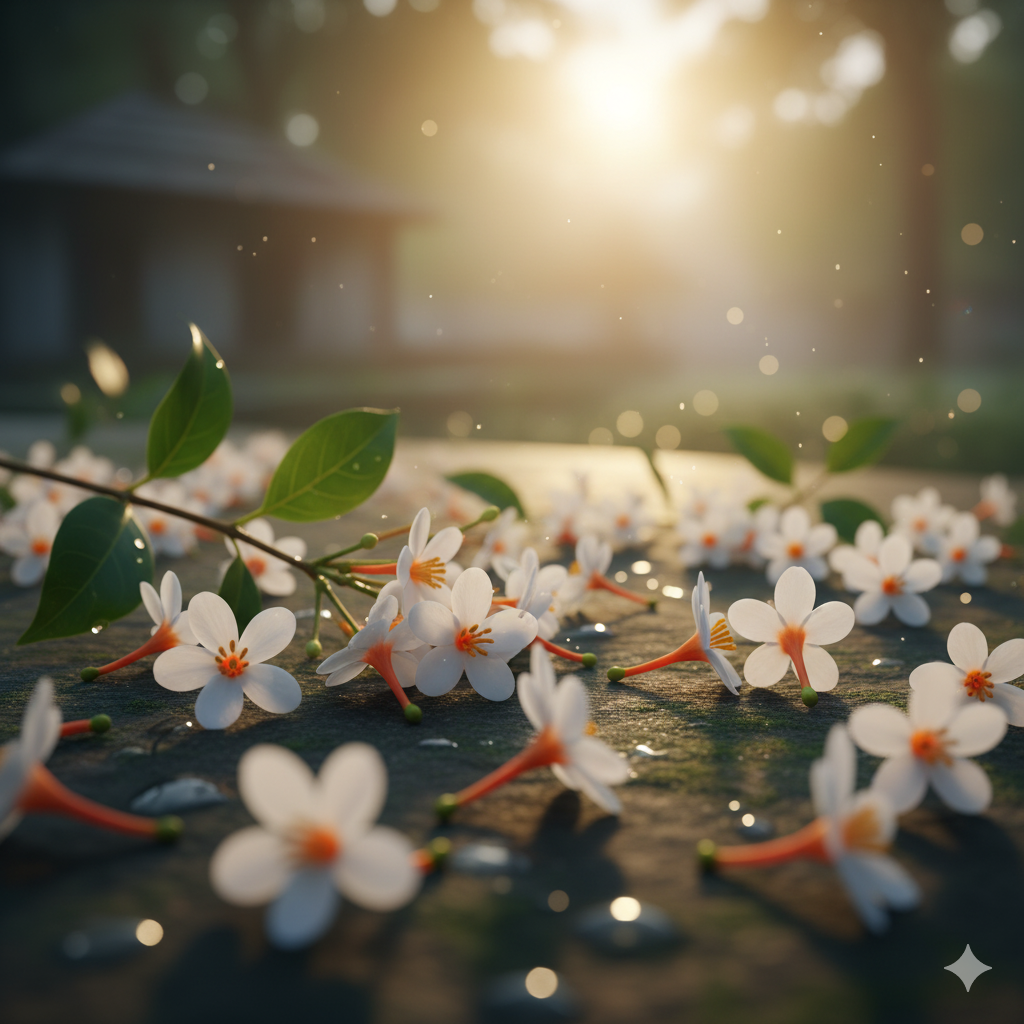
Despite the devastation, today brought a glimmer of hope. I woke up to a bright sun and a crispness in the air – a sign that autumn is on its way. The neighbourhood Shiuli have finally blossomed. The delicate Kaash flowers stand untouched, in the devastation around.
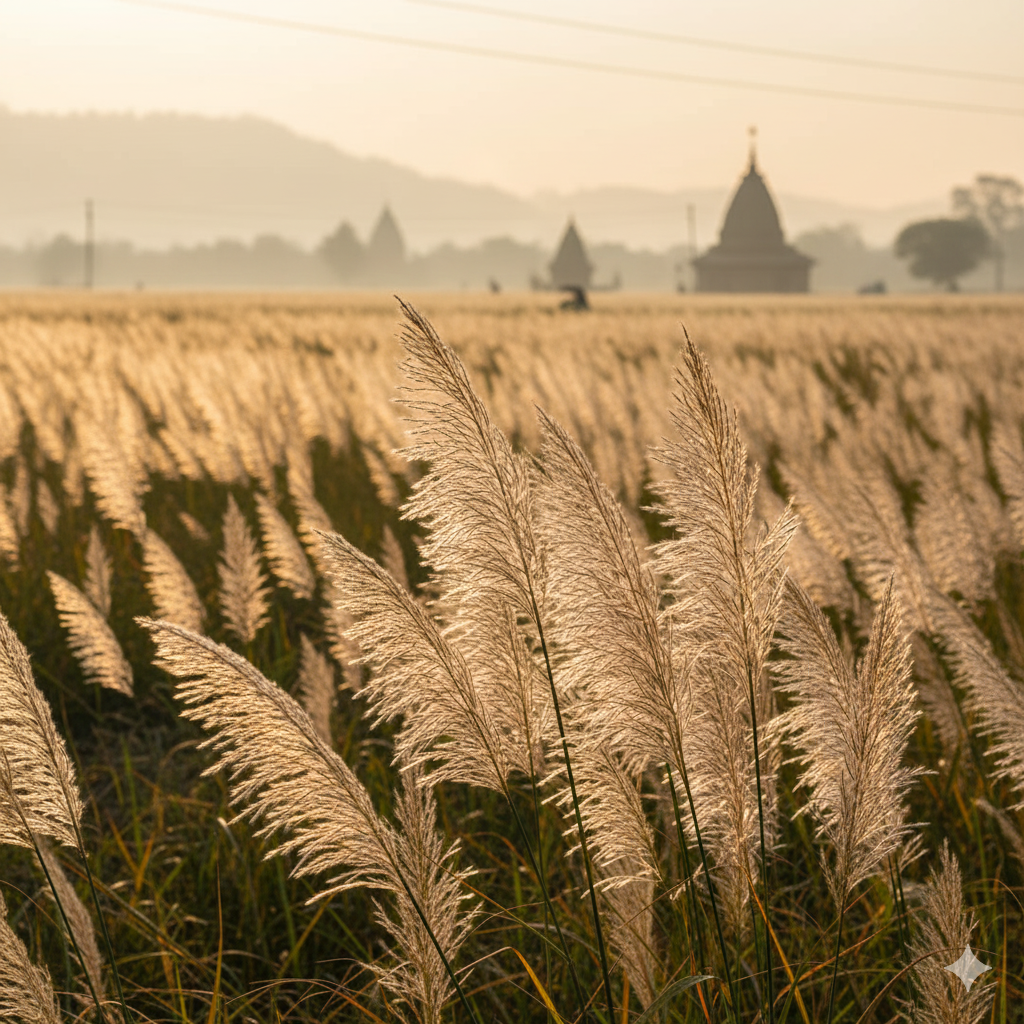
With a jolt, I realized that Mahalaya is just a week away.
Remembering Our Roots
“Babies, babies…” I called out. “Wake up……Mahalaya is next week.” I breezed through the rooms, pulling back the blankets and throwing the curtains open to let the morning light in.
“You know we have celebrated this day since childhood.” I told my children how I used to wake up long before the sun rose just to listen to Birendra Krishna Bhadra’s Chandipath.
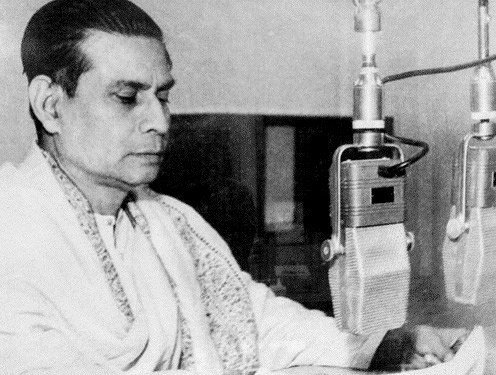
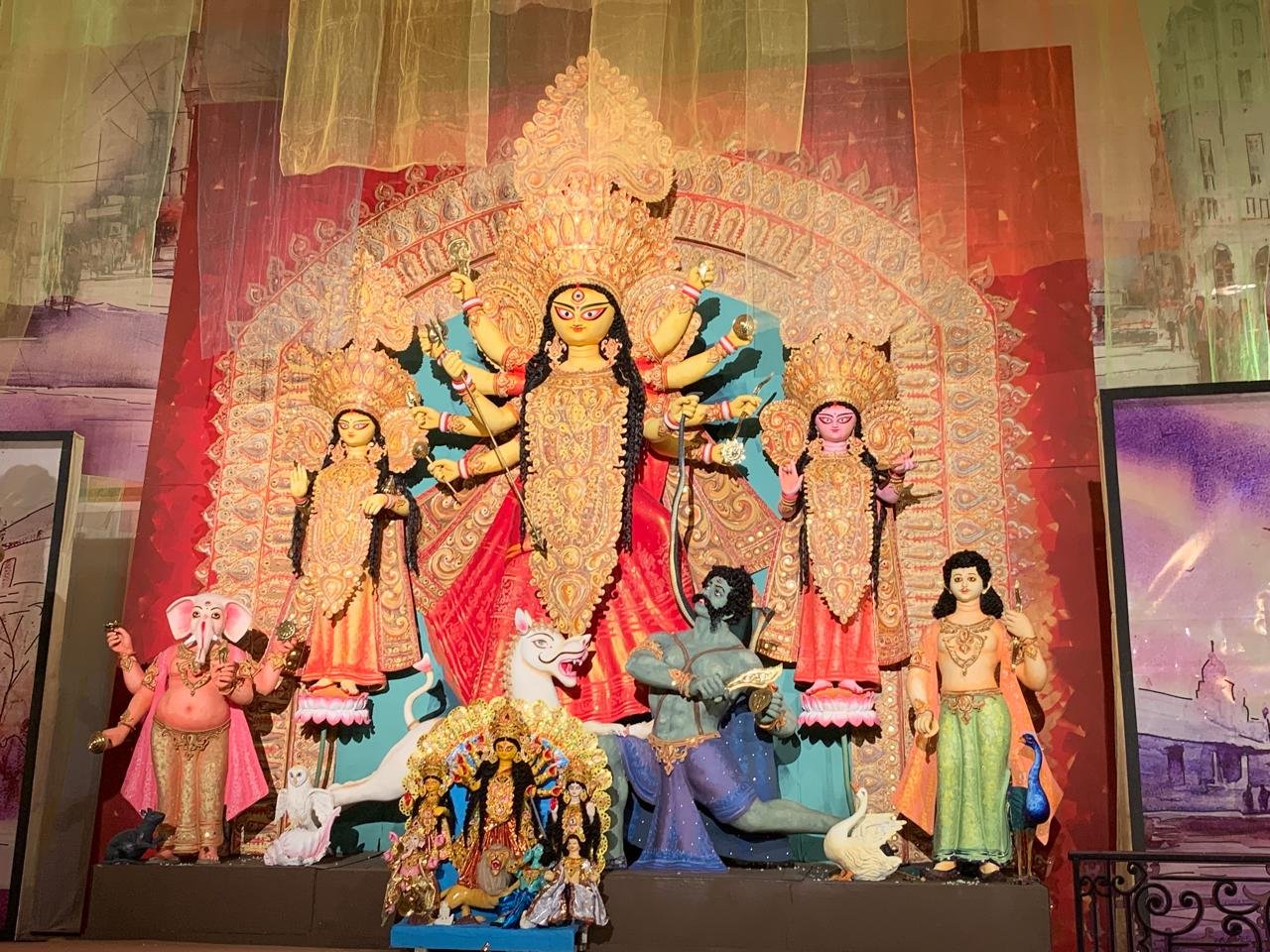
Leaning closer, I whispered into their ears, “This is an auspicious day. Our Devi, our Durga Maa, begins her descent from the Himalayas.” But they simply tugged their blankets closer and pretended to be asleep.
I was insistent. “This is the day we remember our ancestors and everyone we have lost,” I explained to my children. “And you know, Mahalaya was also the only day we were allowed to wake up early and have endless cups of chai and biscuits!” I added. That was enough for my ten-year-old to open her eyes.
“Every year you tell these same stories, Maa,” she said with a smile. My sixteen-year-old, groaned in a half-hearted protest. “Alright, fine,” he conceded. “On that day, I’ll go to bed at 5 a.m. Let’s call it a deal.”
A Quiet Tradition
I finally gave up. For years, I have tried to instil in them the same excitement for Mahalaya that I still feel. I have done everything to get them to wake up and listen, even trying to bribe them with cakes, biscuits, buns, and extended screen time. But every year, at 3:55 a.m., I find myself sitting alone, listening to Birendra Krishna Bhadra’s Chandipath on the radio with my loyal companion – my cup of chai.
With a jolt, a new thought dawned on me – I might be the last person in both my father’s and my husband’s families to experience Mahalaya this way. It’s a bittersweet realization!
The Dawn of Mahalaya
Next Sunday marks the auspicious day of Mahalaya, a moment of transition that concludes Pitripaksha and ushers in Devi Pakhsha. It is on this day that, through the sacred chanting of mantras, we invoke Goddess Durga, welcoming her to descend upon Earth.
For generations, Mahalaya has been inextricably linked with the early morning radio program, Mahishasura Mardini. First broadcast in the 1930s, this iconic program is a beautiful fusion of a musical recitation of the Chandi Kavya, Bengali devotional songs, and classical music, all enriched by a vibrant acoustic narrative.
On this day, it is a custom for every Bengali to rise at 4 a.m. and tune in to the Mahishasura Mardini broadcast on All India Radio, beginning the day with a tradition that connects them to their heritage and faith.
A Mahalaya of the Past
Mahalaya always brings me back to memories of my father, who we lost in 2022. For me, Mahalaya in my childhood was always thrilling. My parents would eagerly follow the Puja countdown. My mother would launch into a frenzy of house cleaning, getting frustrated with us because we never helped. Meanwhile, she and my father would meticulously plan our short trips during the festival and set a modest budget aside for all our Durga Puja expenses. It was always a beautifully planned celebration for all of us.
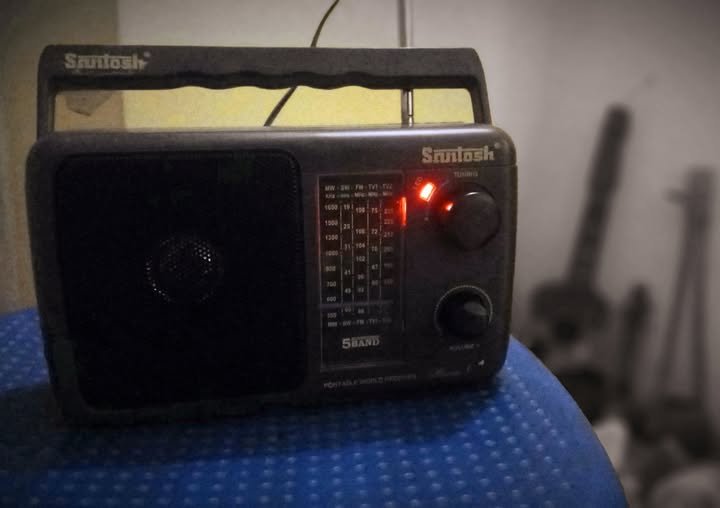
The Sunday before Mahalaya, (my father’s only day off), he would prepare the radio, carefully tuning it and putting in fresh batteries. The night before, our new outfits would be laid out, and we would be told to go to bed early. But, being the troublemakers we were, we would stay awake, buzzing with excitement. My mother would call out from the other room, telling us to go to sleep or we would miss the show in the morning. Eventually, sleep would claim us.
On Mahalaya morning, my father would wake up at the crack of dawn and make chai for everyone before going from room to room to wake us up. We would all gather on the large veranda, shrouded by the tall Sal trees, and listen to Birendra Krishna Bhadra. The entire house and neighbourhood would be filled with the sound of the Chandipath.
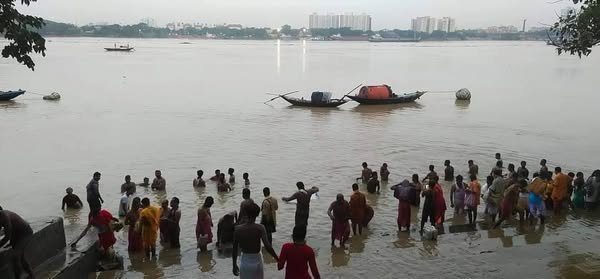
Around 5:30 a.m., the end of the program signalled it was time for our bath. We would put on new clothes – my father in a silk Dhoti-Kurta and my mother in a ‘shaada-laal paar’ saree. Afterward, we would head to the Bharati Kalibari in Durgapur to perform tarpan in memory of our ancestors.
A Fading Tradition
I am so grateful to my parents for gifting us such precious memories. But I have failed to pass on this tradition to my own children. I can’t help but ask myself what memories are we making for them? What will they look back on with nostalgia when they grow older and move away? Will Mahalaya be lost to them forever? Will they lose the true essence of being a Bengali? I have no answers.
Mahalaya- A Reminder of Loss
After losing my father in 2022, Mahalaya has changed for me. My mind keeps returning to the last image of my father – fragile and in deep pain. It’s still so difficult to accept that he is truly gone.
Wasn’t it just a few days back that I asked in jest, “So, is it really Shubho Mahalaya, Baba?”
He and Ma had just laughed.
Mahalaya is a tithi, or a specific lunar day, that falls on an Amavasya, which is a new moon. Elders in my family have always considered Amavasya to be an inauspicious time. We were told that spirits are closer to the earth and might cast evil glances at the vulnerable. Strict instructions were given – don’t leave your hair open at night, and don’t let the children go out in the dark.
It is believed that spirits who haven’t found liberation, especially those who died tragically, long to communicate with the earthly world. They are said to wander, searching for a body to inhabit or a way to return, or even to take someone with them in revenge. On Mahalaya, we are advised to give them water, quench their thirst, say a prayer, and set them free.
The prayers of Mahalaya are rooted in loss and pain. However, with the end of Amavasya, this sad chapter closes, and Debipokkho begins, bringing the joyous news of Durga’s homecoming.
A Time for Reflection
Mahalaya, I have come to realize, is about both loss and new beginnings. It’s a day of deep nostalgia, a reawakening of memories of those who are no longer with us.
So, this Mahalaya, let’s not wish anyone a ‘Shubho Mahalaya.’ Instead, let’s send people ‘Sharodiar Shubhechha.’ After all, the spirit of Durga Puja is everywhere-in the skies, in the cool morning breeze, and in the shiuli and kaash flowers that have bloomed all around.

By Sreemati Sen
Sreemati Sen holds a Masters in Social Work from Shantiniketan. A Development Professional,
she has specialized in Psychiatric Care of Differently-abled children. Years of experience in
Social and Consumer Research are also a part of her portfolio. Her stories have been featured in
various anthologies.
She can be contacted at Sreemati123p@gmail.com.