







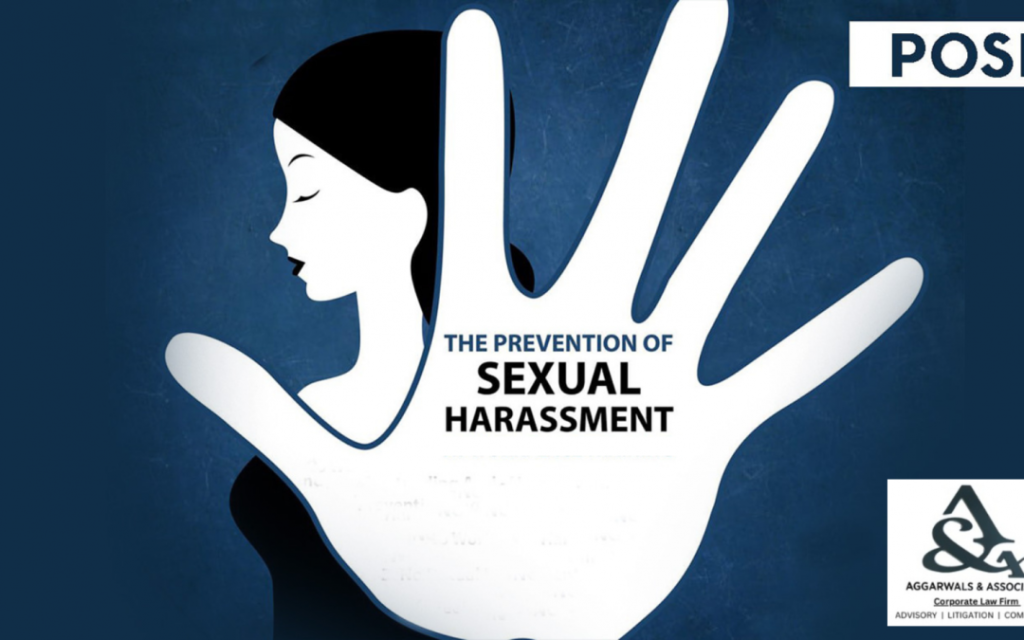
Most women have heard the word POSH. Many know it has something to do with sexual harassment at the workplace. But very few actually understand what it means, why the law came into existence, and how it protects us.
The truth is, POSH is not just a law. It is a behaviour integration oprogram. A promise that every woman has the right to work with dignity, respect, and without fear.
Imagine going to work every day carrying an invisible burden. A colleague passes uncomfortable comments. A senior repeatedly asks you out despite your refusal. Someone invades your personal space, sends inappropriate messages, or makes you feel unsafe. You may not complain because you fear losing your job, damaging your reputation, or simply because you are unsure whether what happened was “serious enough.”
This silence is exactly what the POSH Act aims to break.
What is POSH?
POSH stands for the Prevention of Sexual Harassment of Women at Workplace (Prevention, Prohibition and Redressal) Act, 2013. The law was introduced to ensure that every woman, irrespective of her age, profession, designation, or salary, has the right to work in a safe environment. Whether you are a corporate employee, a teacher, a domestic worker, a consultant, an intern, a volunteer, or working from home, the law recognises that you deserve respect.
What is Sexual Harassment?
Many people believe sexual harassment only refers to physical assault. That is far from the truth.
Sexual harassment includes any unwelcome behaviour of a sexual nature. Like
- Unwanted touching or physical contact.
2. Sexual jokes or comments.
3. Repeated requests for dates after you have declinedSending inappropriate texts, memes, pictures, or videos.
4. Staring in a way that makes someone uncomfortable.
5. Making comments about a woman’s body or appearance.
6. Promising promotions or threatening poor appraisals in exchange for sexual favours.
7. Creating an environment where a woman feels humiliated, intimidated, or unsafe.
The most important word here is UNWELCOME. Something that feels harmless to one person may deeply disturb another. Consent and comfort matter.
It Is Not About Intention. It Is About Impact..
One of the biggest misconceptions is – “I didn’t mean it that way.”
Under POSH, intention alone does not decide whether something is inappropriate. The impact of the behaviour on the recipient is equally important. How one’s behaviour makes the recipient feel.
A joke that embarrasses someone repeatedly is no longer JUST A JOKE.
A compliment that continues despite visible discomfort is no longer a COMPLIMENT.
Respect means recognising another person’s BOUNDARIES
What is Workplace?
Workplace Means More Than an Office. Today, work happens everywhere.
Your workplace may include offices, schools campus, colleges, hospitals, factories, client locations, conferences, business trips, official transportation, online meetings, WhatsApp groups, emails, picnics, college excusrsions and even work-related social gatherings. If the interaction is connected to work, POSH can apply.
Why Women Do Not Report
People often ask, “If it really happened, why didn’t she complain immediately?”
The answer is simple.
- Women fear being judged.
2. They fear losing opportunities.
3. They fear being labelled ‘difficult.‘
4. They fear nobody will believe them.
5. Sometimes they blame themselves.
The POSH Act acknowledges these realities and provides a structured mechanism to hear complaints fairly and confidentially.
POSH Is Not Against Men
This is perhaps the biggest myth. POSH is not a law to punish men. It is a law to prevent harassment and promote safe workplaces, for everyone, and to protect women from sexual harassment at workplace. Most men are respectful professionals who also benefit from a workplace where behaviour is clearly defined and boundaries are understood.
A healthy workplace protects everyone. Every Organisation Has a Responsibility. Every employer is responsible for creating a workplace where respect is not optional. This includes creating awareness, conducting regular training, establishing an Internal Committee where required by law, addressing complaints promptly, and ensuring that no one faces retaliation for reporting harassment.
Safety cannot depend on individual kindness. It must become part of organisational culture.
The greatest strength of the POSH Act lies not in punishment but in prevention. When women know their rights, they are more confident.When employees understand boundaries, they behave more responsibly. When organisations promote dignity and respect, productivity, trust, and collaboration naturally improve.
Every woman deserves to walk into her workplace feeling valued, not anxious. Every employer deserves a culture built on trust. And every one of us has a role to play in creating workplaces where professionalism is measured not only by performance but also by respect.
Because at the end of the day, a safe workplace is not a privilege. It is a fundamental right.

By Vedaprana Purkayastha
The Founder of The She Saga Foundation, Vedaprana, is a Social Entrepreneur and a Psychological Counselor. She writes on topics that touch her heart and stir her soul. She can be contacted at vedaprana.p@gmail.com









Very informative and important.
Thanks for writing this article. very lucid and easy to understand.
Very insightful! I’m certain that many like me will gain a lot from this article.
Very insightful!