






Chocolate as We Know It

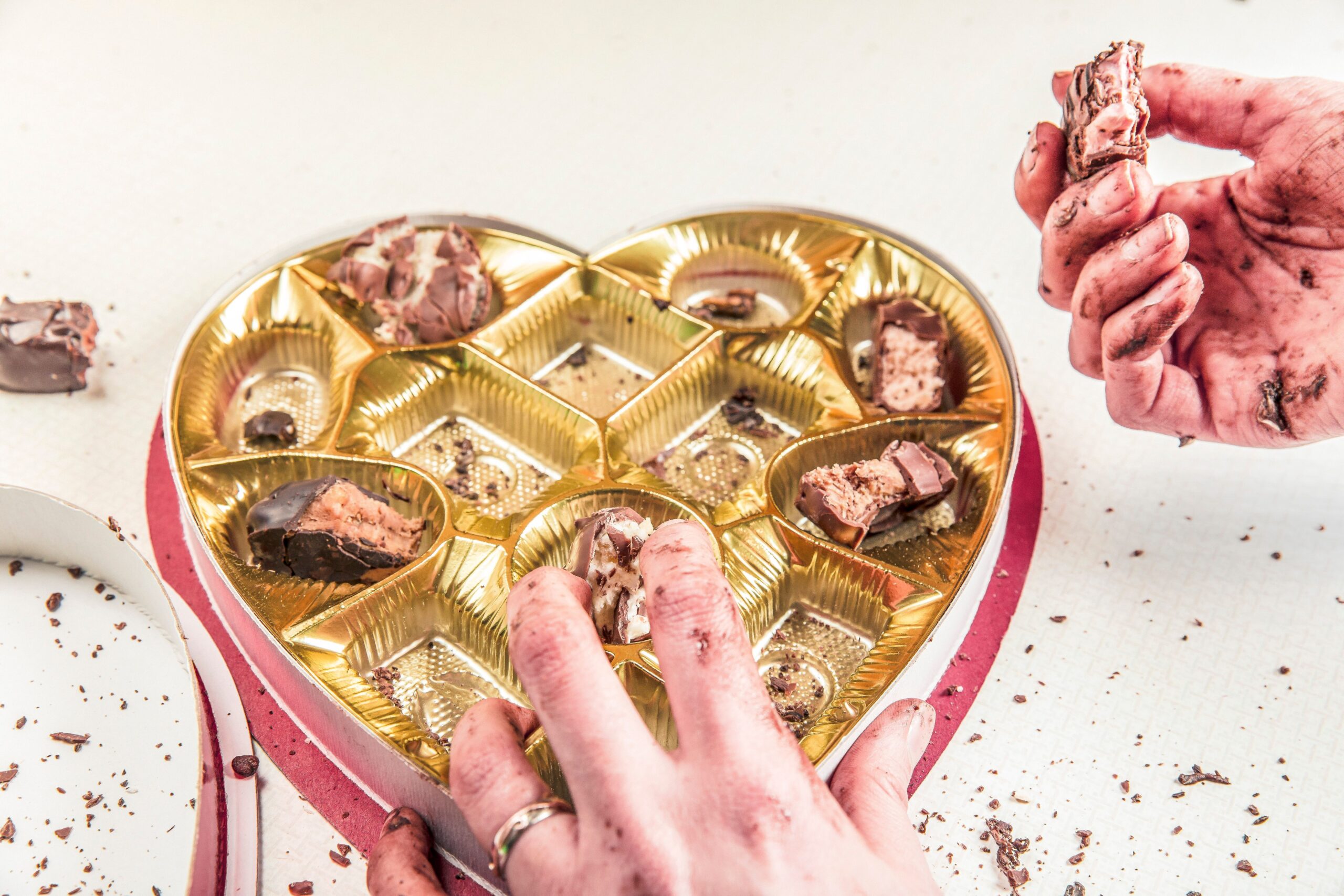
What comes to mind when the word “chocolate” pops up? A light to dark brown polished surface, which is almost reflective. When it is broken, it gives a clean, satisfying snap, signalling good quality. The aroma is rich and layered – deep cocoa notes with a faint sweetness, sometimes carrying hints of earthiness, fruit or roasted undertones. It doesn’t just sit on the tongue – it melts gradually, turning from firm to silky, coating the mouth in a soft, velvety texture. The taste lingers even after it is gone, leaving behind a warm, indulgent aftertaste that feels both comforting and satisfying.
No wonder Charles M. Schulz said, “All you need is love. But a little chocolate now and then doesn’t hurt.”
But did you know it was not even solid to begin with? Chocolate in its original form was a drink, not solid chocolate bars.
The Origins of Cacao in Mesoamerica
We can trace the origins of cacao to the tropical regions of Central and South America. It was first cultivated by ancient civilizations in Mesoamerica such as the Olmecs, and then by the Maya and Aztecs.
The beginning of chocolate’s history can be dated to around 1500 BCE, when the Olmecs are believed to have prepared it as a drink.
The Maya consumed it as a ceremonial beverage and associated it with gods, rituals, and elite social practices.
The Aztecs revered the cacao beans so much that they were used as a form of currency, apart from being consumed as a drink. Chocolate in this period was not eaten as a solid food but prepared as a bitter, frothy beverage, often mixed with water, spices, and sometimes maize.
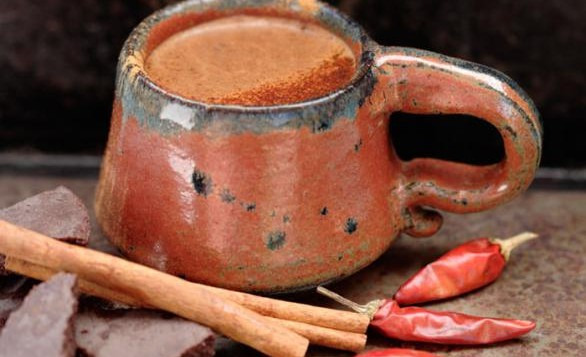
Aztec hot chocolate
Chocolate as a Bitter Drink
As stated earlier, the Olmec civilization had the earliest use of cacao. There is limited evidence about its use as a simple bitter drink.
In the Maya civilization, cacao assumed ritual significance, prepared as a frothy beverage, associated with gods and elites.
In the Aztec civilization, it was widely used among the upper classes, often spiced with chilli and herbs. They also served as a form of currency.
Cultural and Ritual Significance of Cacao
Cacao was considered to be a divine gift, especially by the Maya civilization. It was often linked to gods and creation myths. It was used in religious rituals and ceremonies and was offered to deities and used in sacred rites. It was also consumed during important life events like marriages, birthdays, and funerals. It was a symbol of status and power and was reserved largely for elites, priests, and warriors in societies like the Aztec civilization. It was associated with fertility, life, and prosperity, thus giving it both spiritual and social importance.
Chocolate’s Arrival in Europe
Chocolate reached Europe in the early 1500s, brought back by Spanish explorers who had come across it in the Americas. Hernán Cortés is often mentioned in this context, after witnessing how cacao was used among the Aztecs. In the beginning, the drink didn’t quite appeal to Europeans—it was bitter, unfamiliar, and far removed from what they were used to. But over time, they started experimenting with it, adding sugar and spices like cinnamon and vanilla. Slowly, it began to change. What was once an acquired taste turned into something much more enjoyable, and before long, it became popular among the Spanish nobility, eventually spreading to other parts of Europe.
From Drink to Solid: The Evolution of Chocolate
For a long time, chocolate in Europe continued to be something you drank, even after it had been sweetened. The real change began in the 19th century, when new methods of processing cacao started to appear. In 1828, Coenraad Johannes van Houten developed a press that could separate cocoa butter from cocoa solids. This made chocolate less harsh in taste and, more importantly, easier to handle and combine with sugar.
Then, in 1847, J. S. Fry & Sons produced what is often considered the first solid chocolate bar by mixing cocoa powder, sugar, and cocoa butter. It wasn’t an overnight shift, but this was the point where chocolate began to move away from being just a drink.
A few years later, in 1875, Daniel Peter, working with Henri Nestlé, added condensed milk to chocolate, creating a softer and milder version—what we now know as milk chocolate.
These changes didn’t just alter how chocolate was made; they changed how it was experienced. It became smoother, sweeter, and easier to enjoy. And as production increased, it slowly stopped being a luxury and became something far more common.
Chocolate in the Modern World
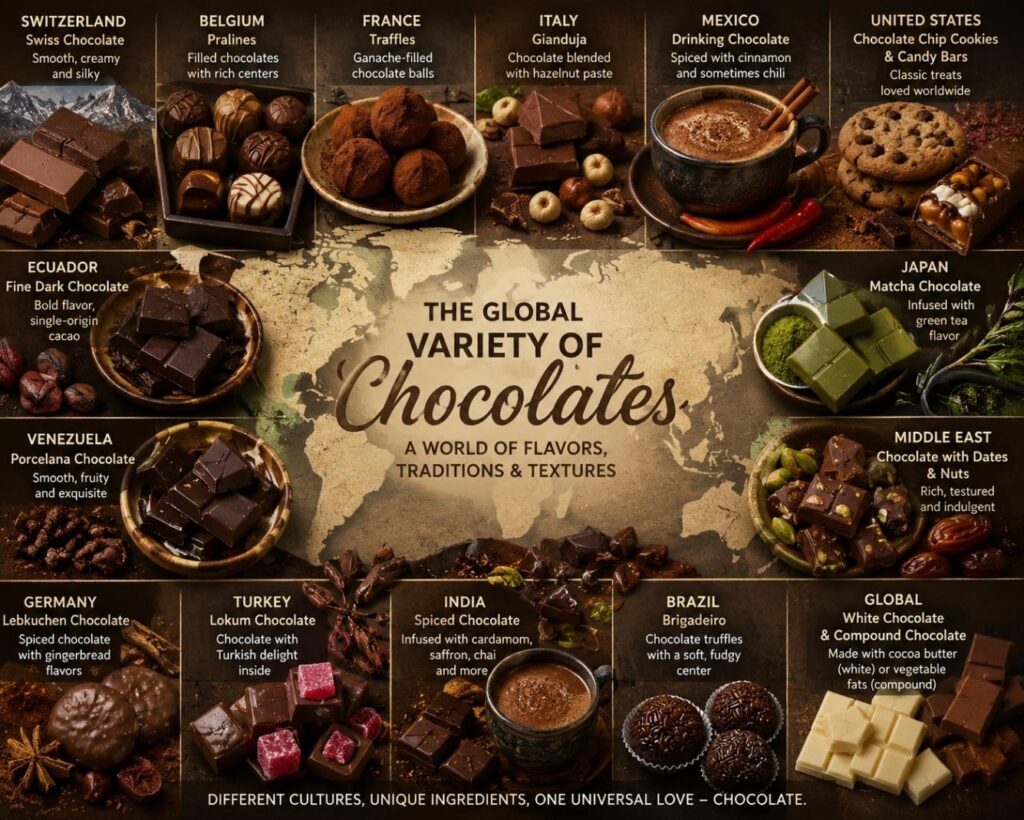
Today chocolate exists in a variety of forms. Dark chocolates have high cocoa content and taste intense and slightly bitter. Milk chocolates are sweeter, creamier and widely popular. White chocolates are prepared from cocoa butter and there are no cocoa solids. Gianduja from Italy is a chocolate blended with hazelnut paste. Pralines from Belgium are filled chocolates with soft centres. Truffles from France are rich, ganache-filled chocolate balls. There are Mexican drinking chocolates spiced with cinnamon and sometimes chili. We have matcha chocolate from Japan, which is infused with green tea flavour, chocolate with dates and nuts in the Middle East, which is often rich and textured, and compound chocolate used in baking and confectionery – which is made with vegetable fats instead of cocoa butter.
Conclusion
Thus, we see how chocolate has evolved over centuries. It continues to adapt to local tastes even in the contemporary world. It is exchanged on social occasions, festivals, celebrations, and so on. So, which one is your favourite chocolate? And would you prefer to drink it or eat it?

By Richa Verma
Richa is an online English teacher, independent blogger, voracious reader, movie buff who is smitten with wanderlust, and a homemaker. She can be contacted through her email address richavermamh@gmail.com








Good work and interesting. Congratulations Richa.
Very interesting and insightful chocolaty article
Loved to read about the evolution of Chocolate!
My favorite is Pralines and chocolatey drinks are as cherished as their solid or silky counterparts…
Thanks Ranjana Phua, Sampurna and Promita for engaging with my article. 🙏🙏😊